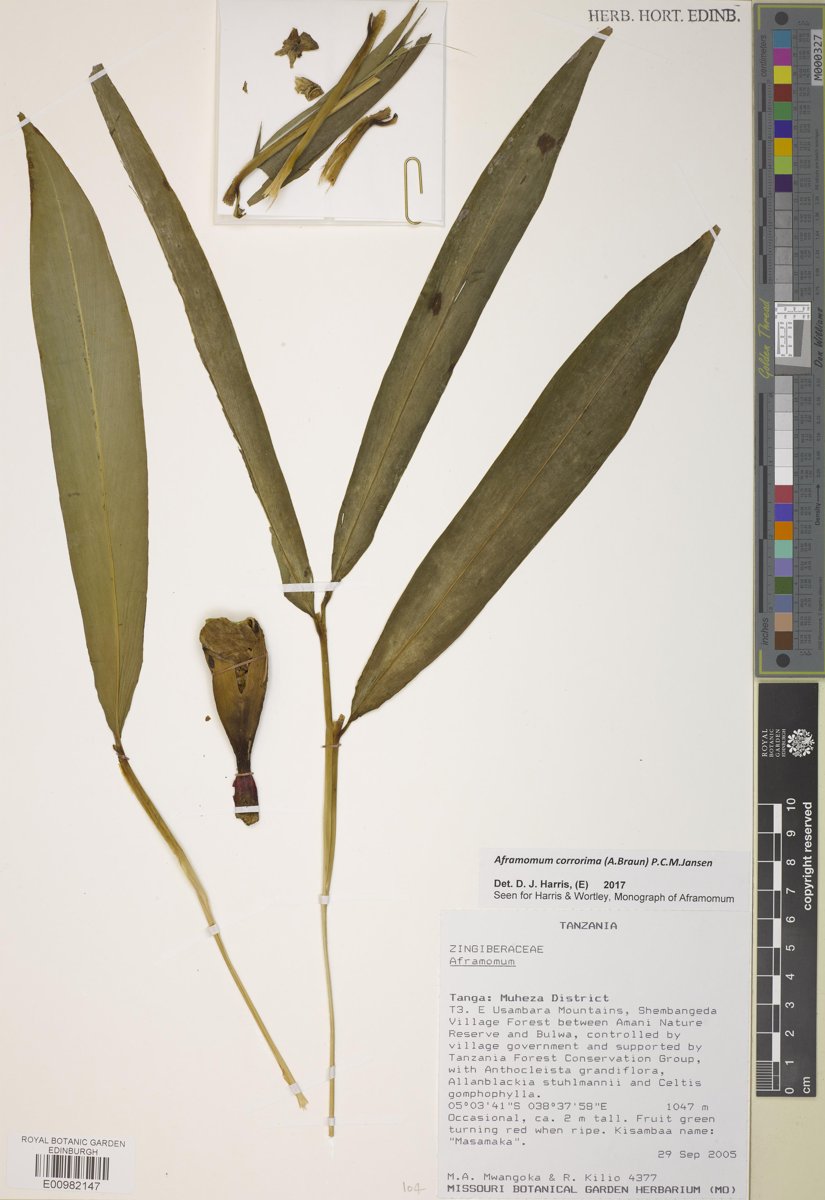
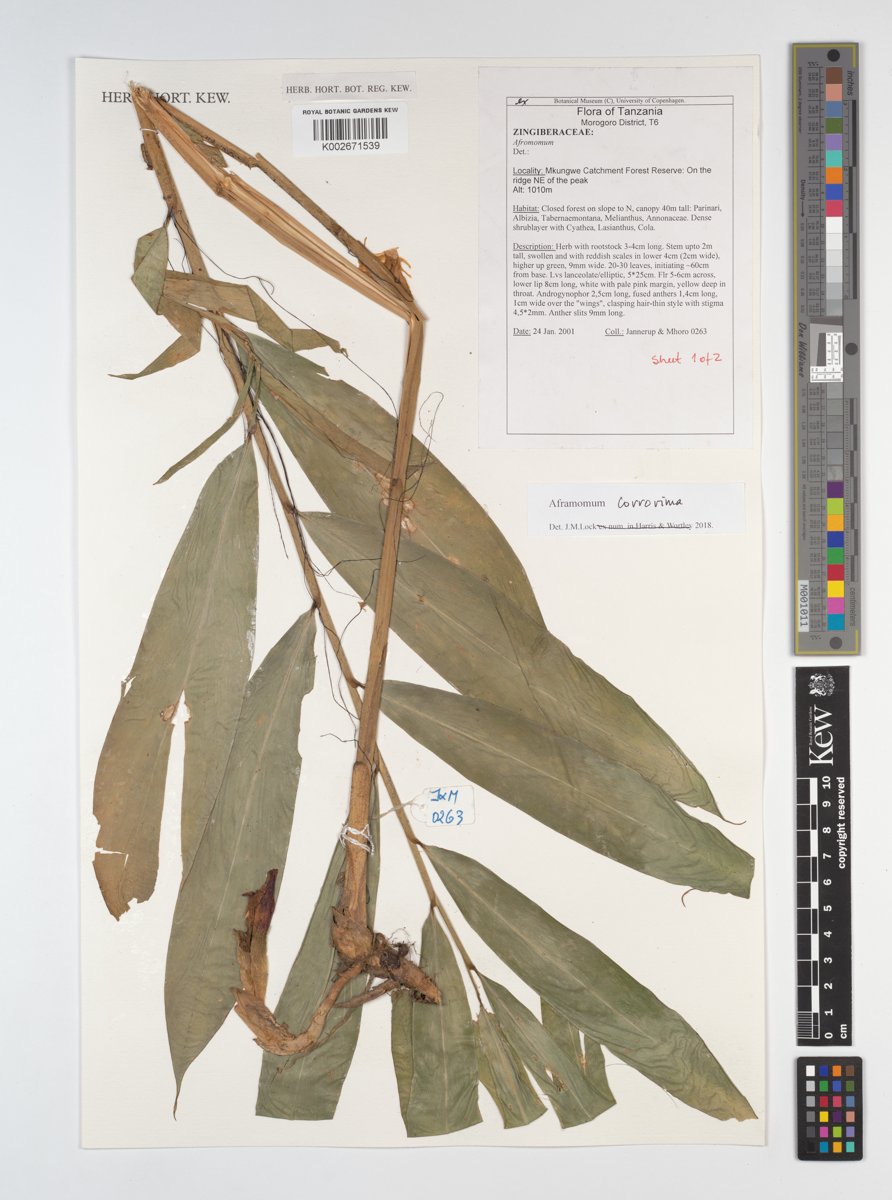
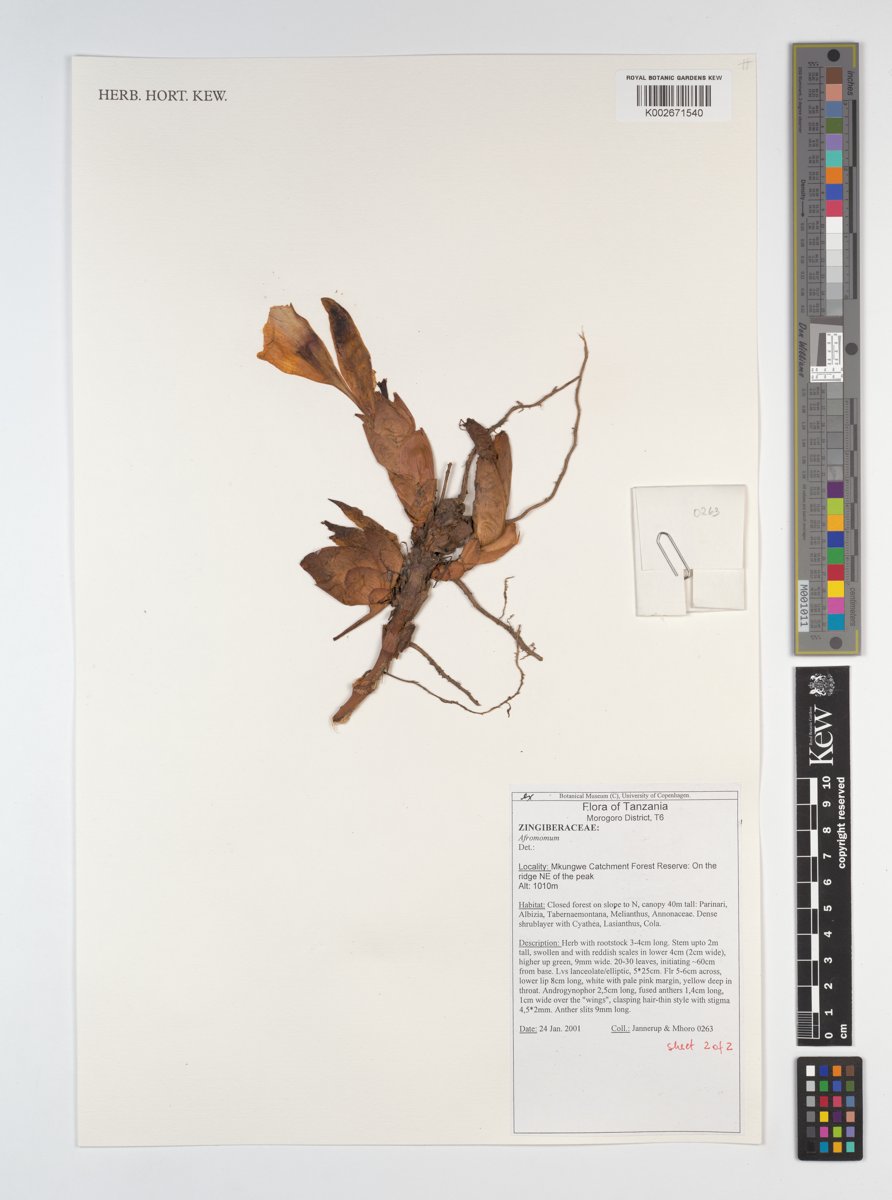
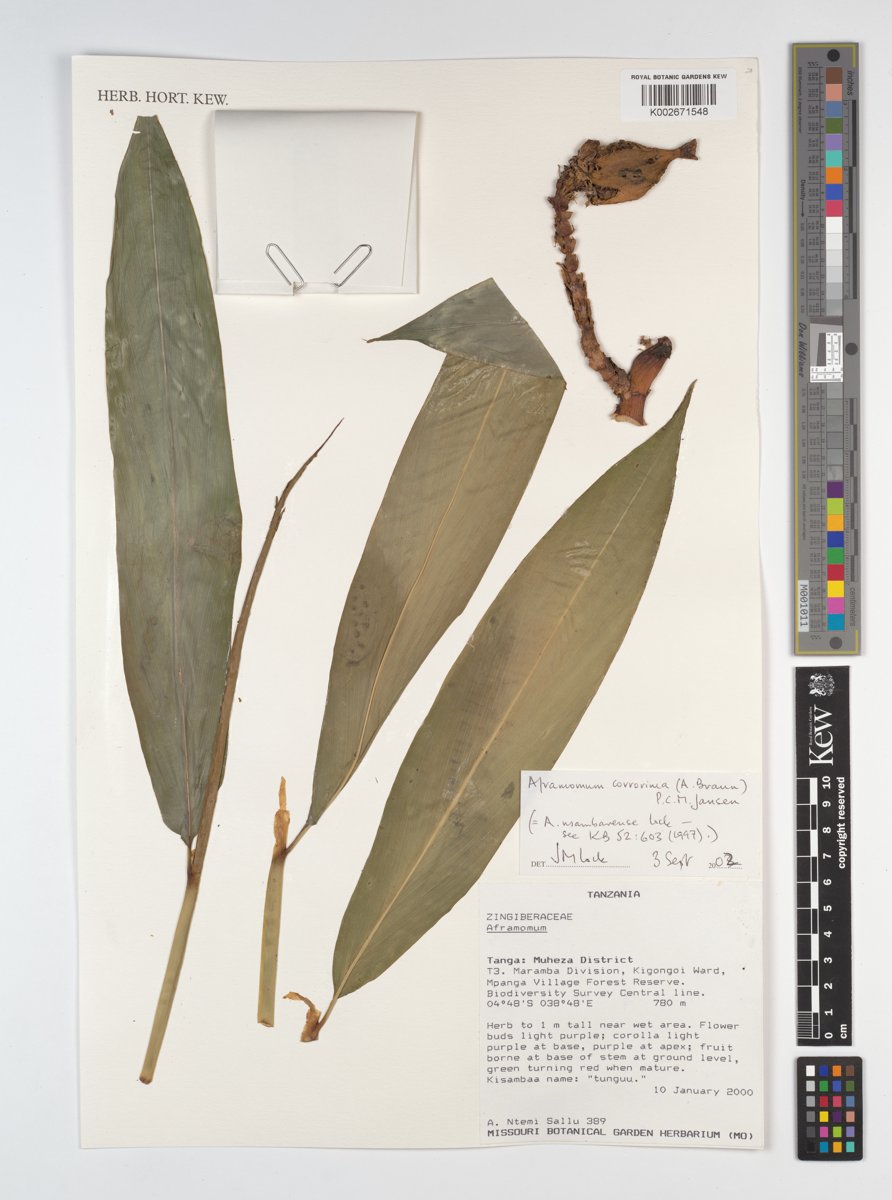
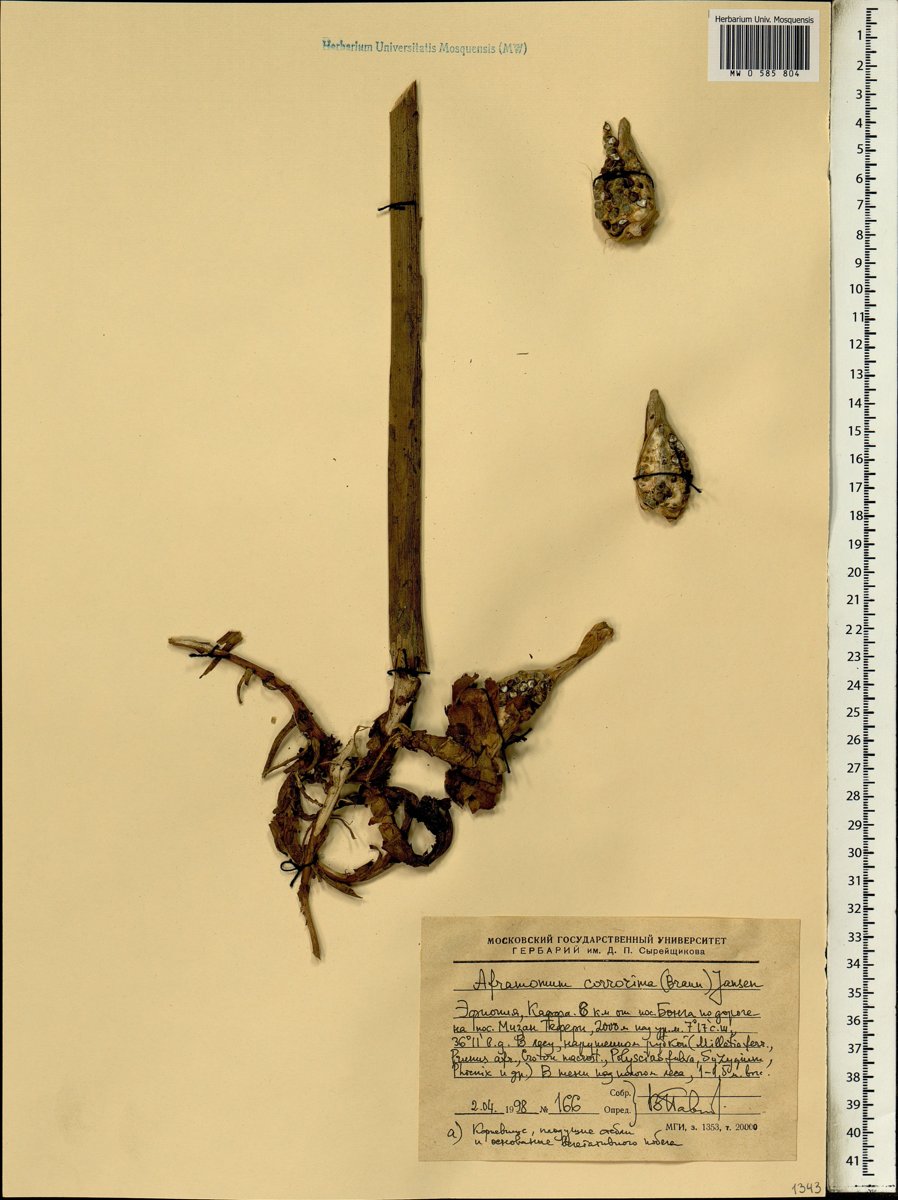
Ethiopian Cardamom
Aframomum corrorima
| Scientific Name | Aframomum corrorima |
| Safety Rating | N/A |
| Evidence Level | N/A |
Ethiopian Cardamom (Aframomum corrorima) is a spice plant whose dried seeds are ground and used in cooking. It is valued for its antioxidant, anti‑inflammatory, antimicrobial, and anti‑cancer properties, and may help support metabolic health. The herb is generally safe when used in culinary amounts, but high doses or concentrated extracts can irritate the stomach or interact with medications such as blood thinners, so use cautiously and consult a healthcare professional if you have underlying health conditions.
Source: PMC: Cardamom, Trease & Evans Pharmacognosy 16th ed, NCBI Bookshelf: Herbal Medicine
50 products from NIH DSLD database (verified label data)
| Herb | Scientific Name | Why related |
|---|---|---|
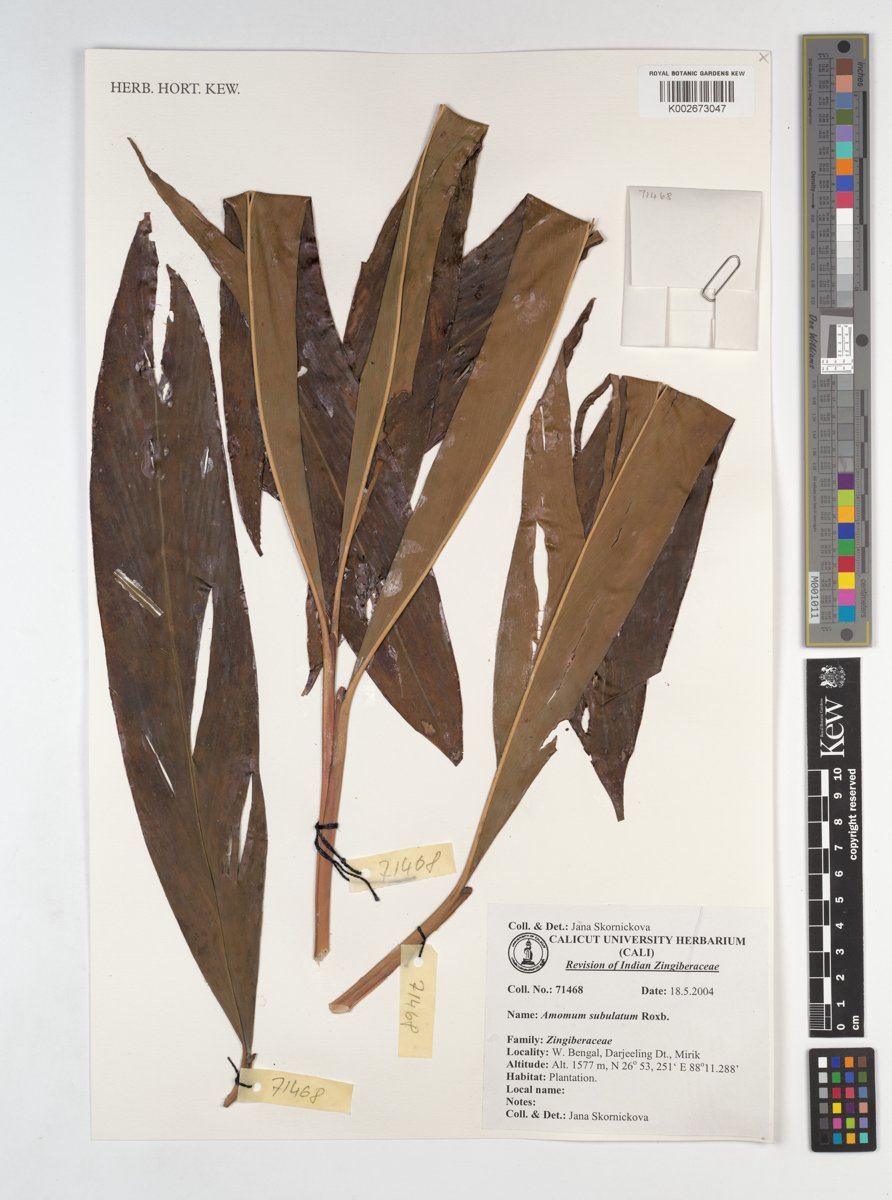 Black Cardamom |
Amomum subulatum | shares 76 product(s) |
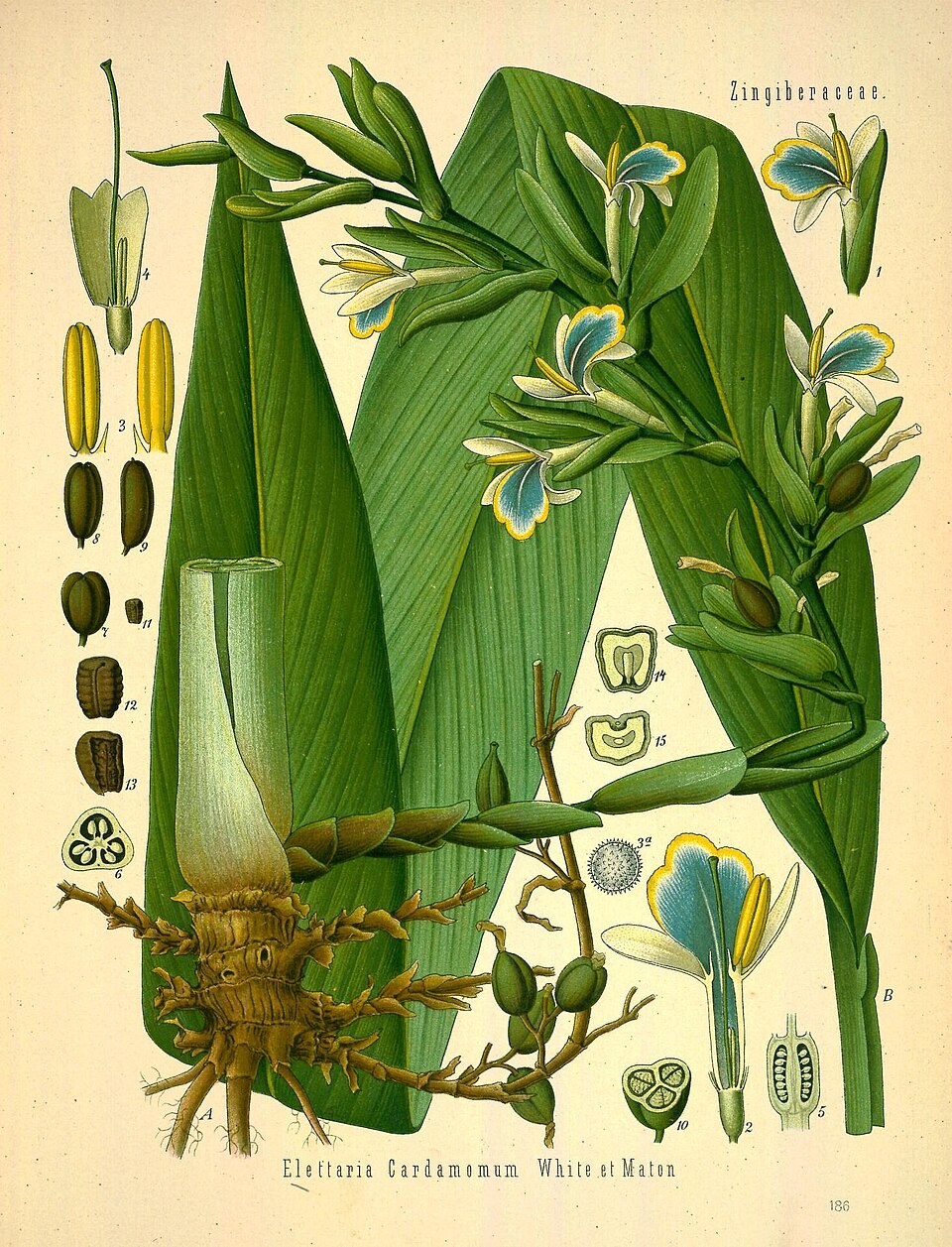 Cardamom |
Elettaria cardamomum | shares 76 product(s) |
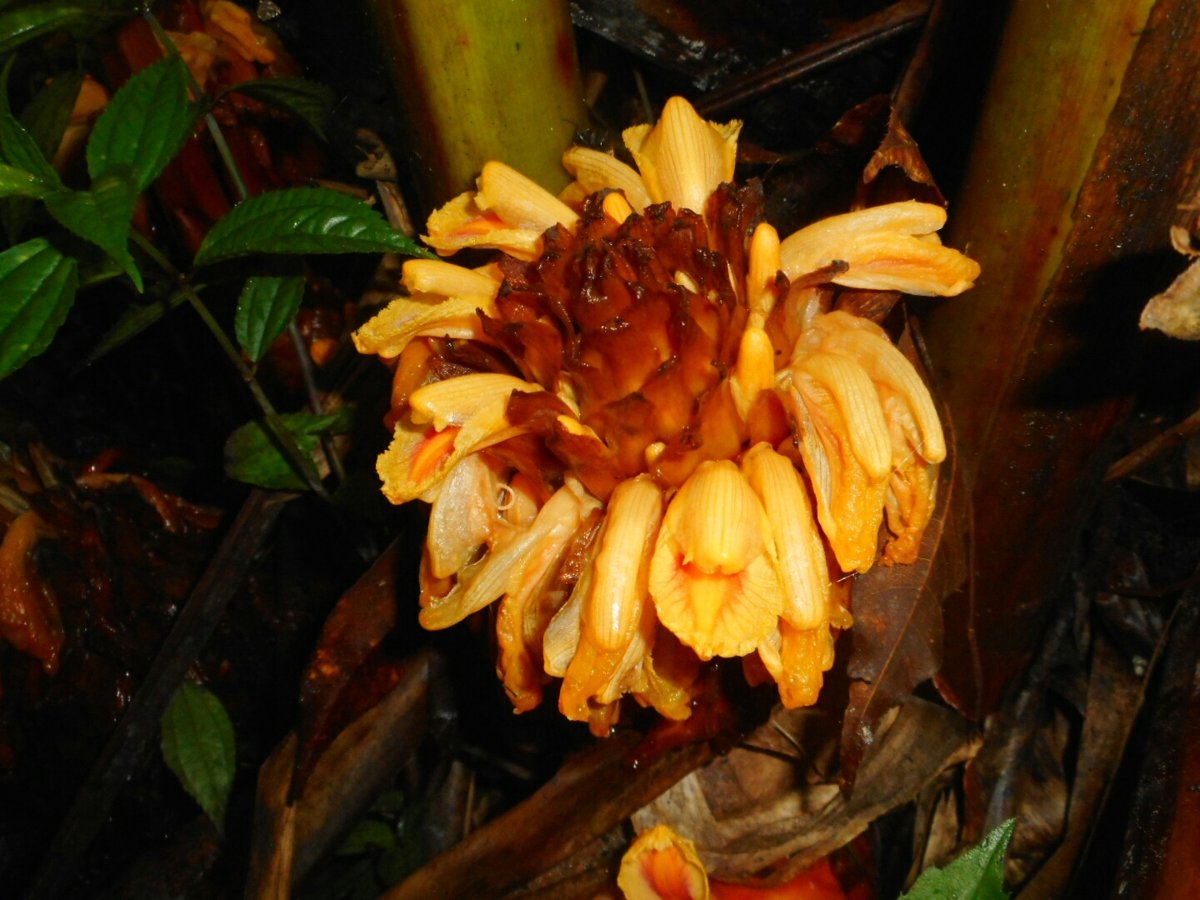 Chinese Black Cardamom |
Lanxangia tsaoko | shares 76 product(s) |
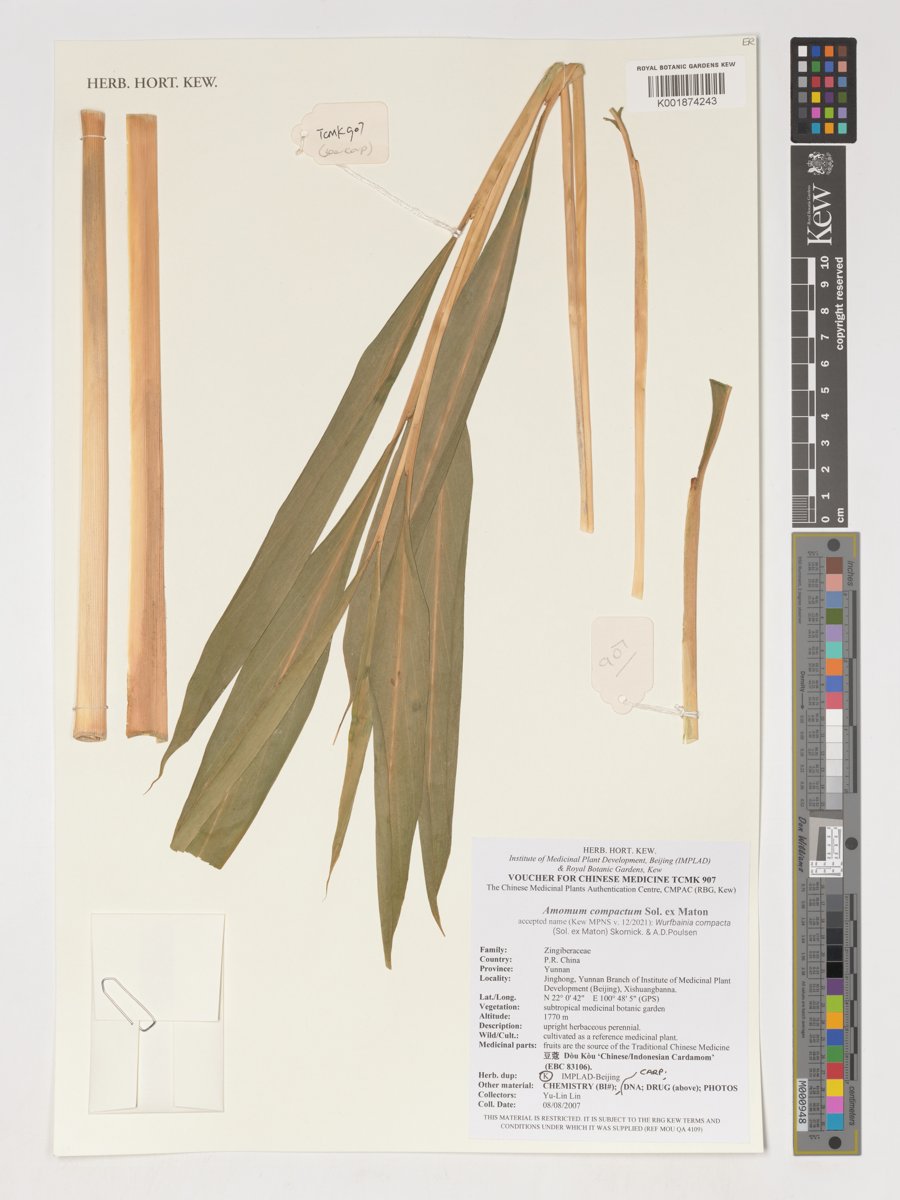 Chinese White Cardamom |
Wurfbainia compacta | shares 76 product(s) |
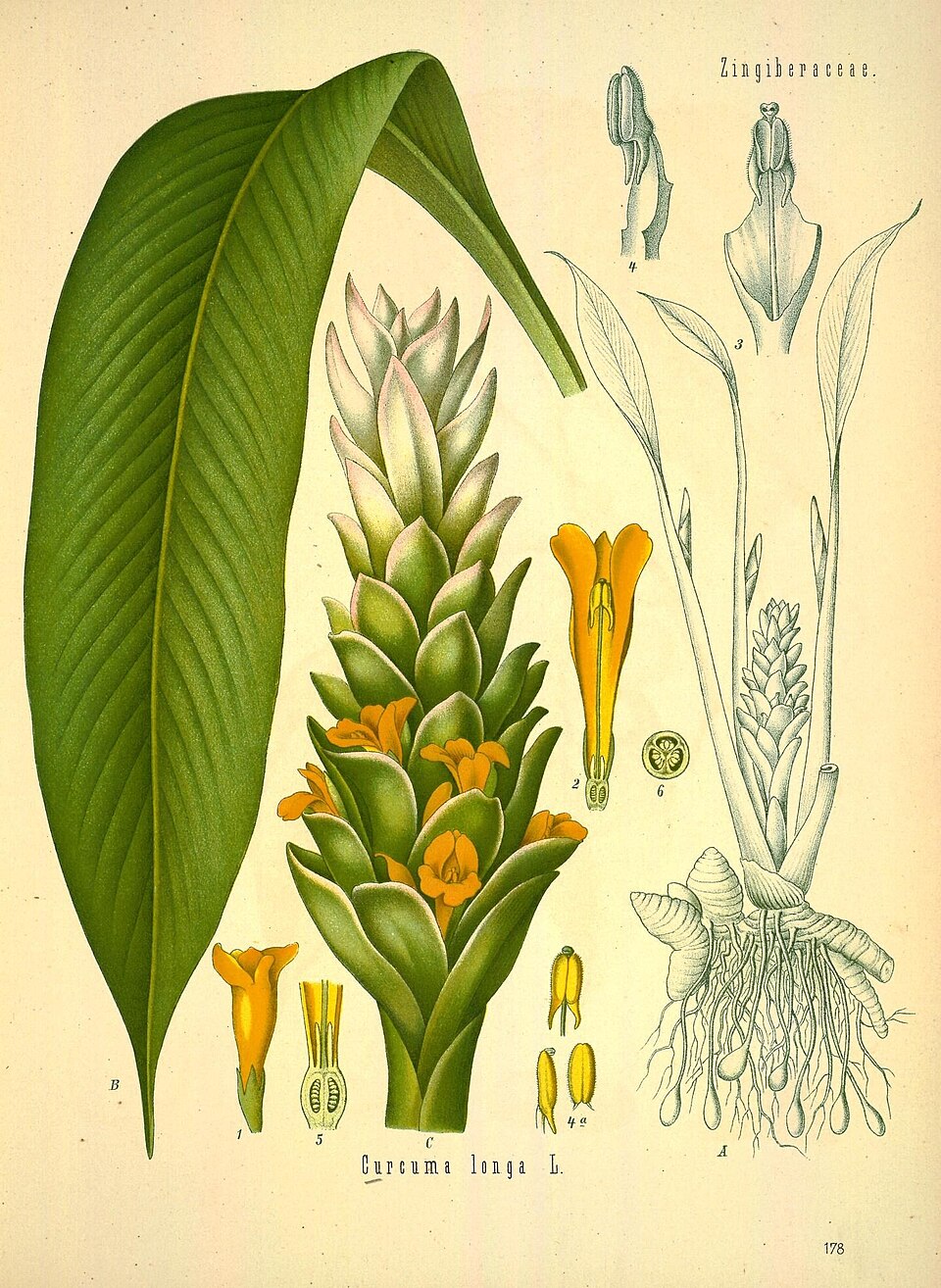 Turmeric / Curcumin |
Curcuma longa | shares 21 product(s) |
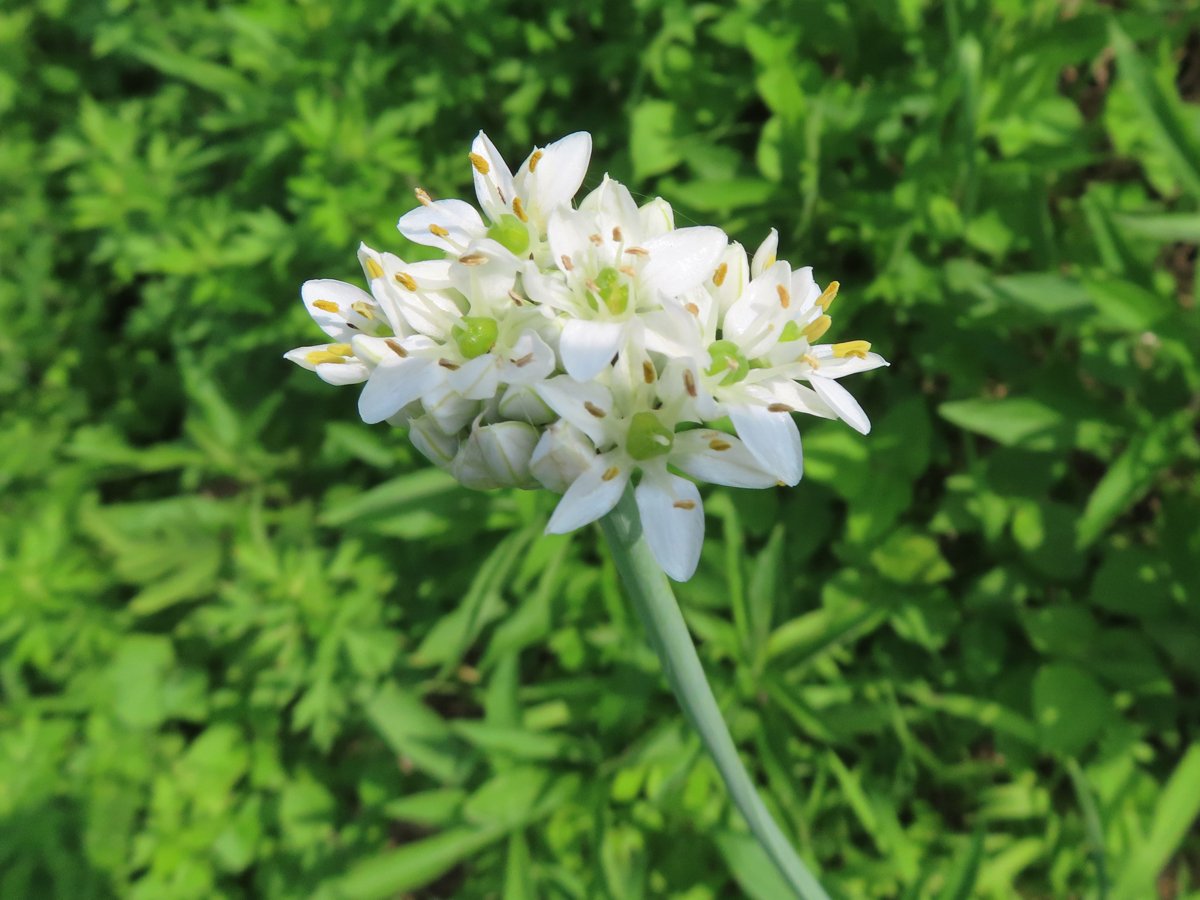 Garlic Chives |
Allium tuberosum | similar summary terms |
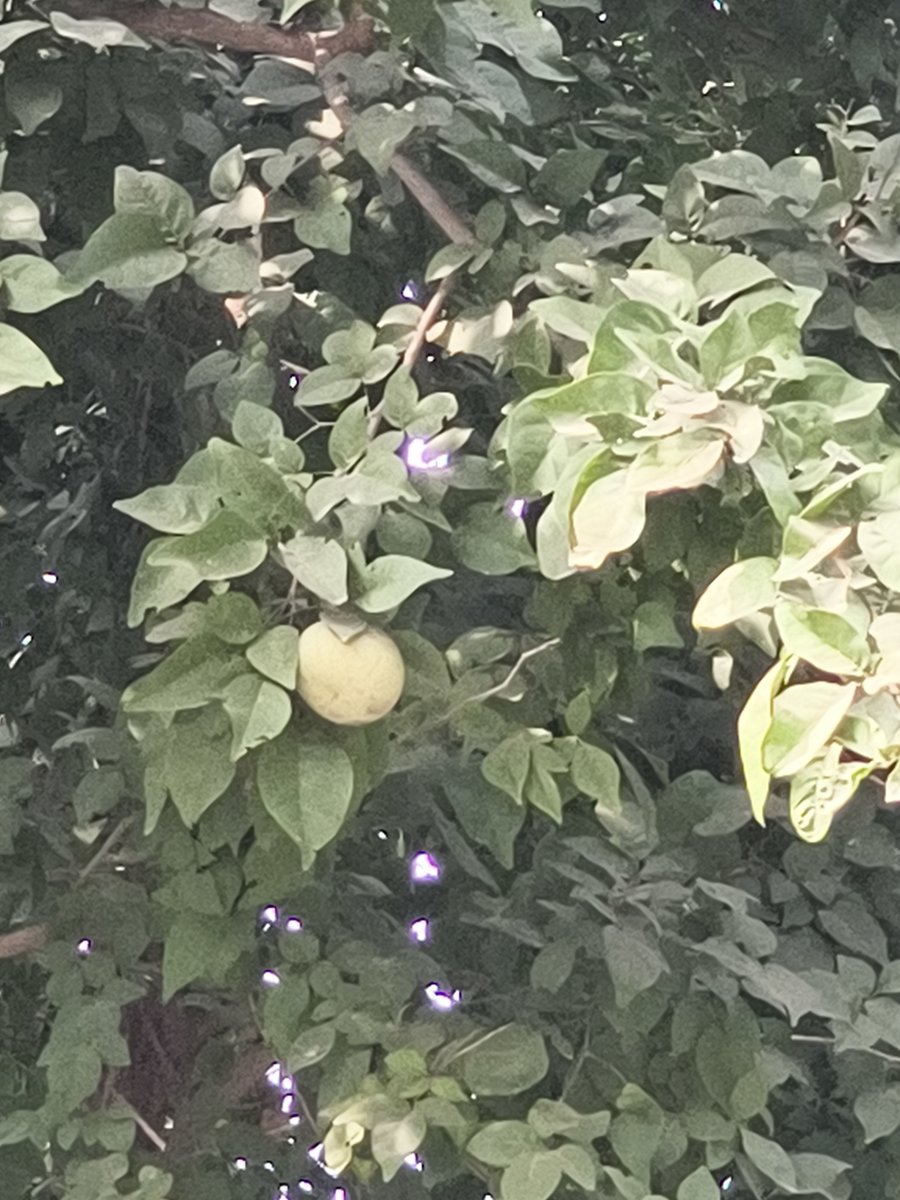 Bael |
Aegle marmelos | similar summary terms |
Ask the RAG about Ethiopian Cardamom — get evidence-based answers from WHO monographs and pharmacognosy textbooks.
Or browse the product search to find more products.