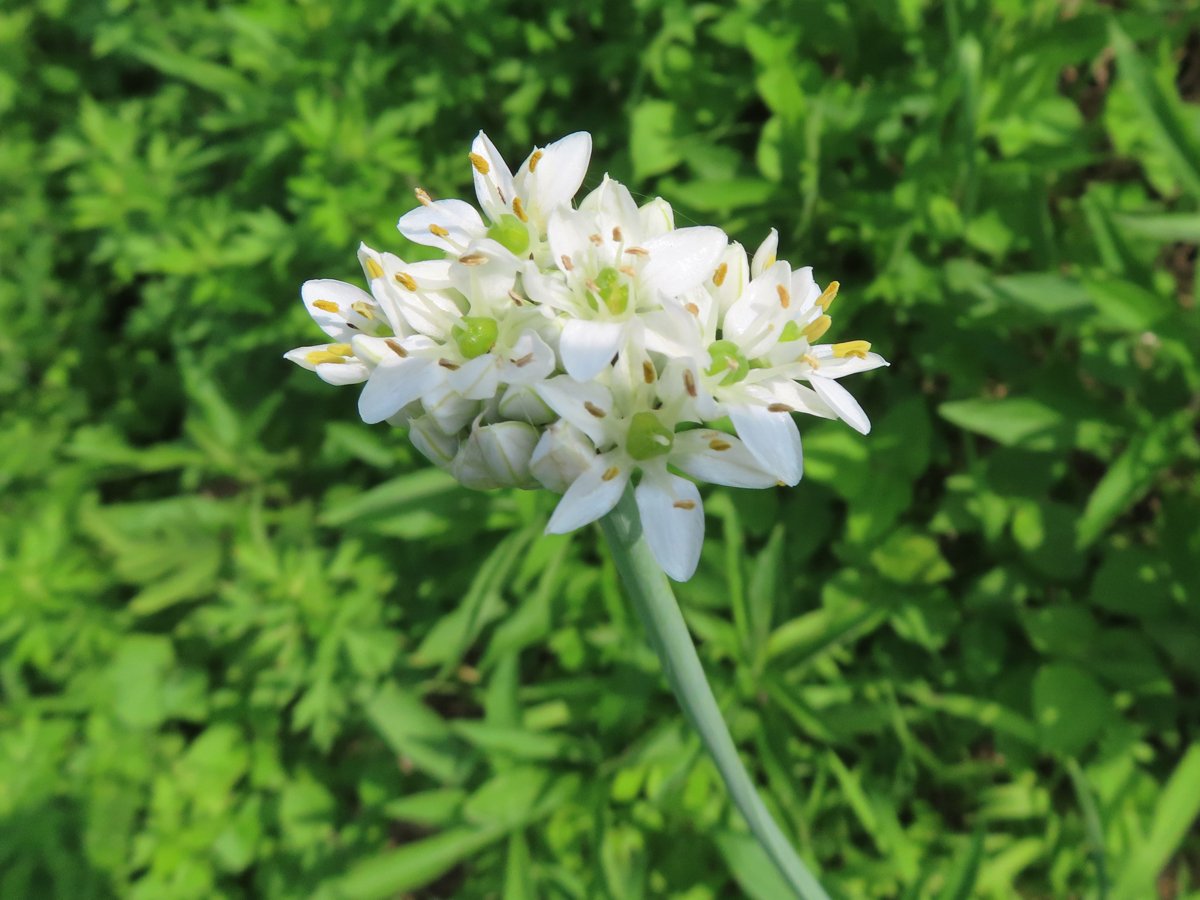


Garlic Chives
Allium tuberosum
| Scientific Name | Allium tuberosum |
| Safety Rating | N/A |
| Evidence Level | N/A |
Allium tuberosum, commonly called garlic chives, is an herb that produces long, flat leaves and bulbous roots similar to onions and garlic. It is mainly used as a fragrant seasoning in cooking and has mild antimicrobial and anti‑inflammatory properties that can support digestive health and immune function. Garlic chives are generally safe when consumed in normal food amounts, but high doses or extracts may irritate the stomach in sensitive people and can increase blood thinning effects in those taking anticoagulant medications.
Source: IntechOpen: Pharmacognosy - Medicinal Plants, NCBI Bookshelf: Herbal Medicine
50 products from NIH DSLD database (verified label data)
| Herb | Scientific Name | Why related |
|---|---|---|
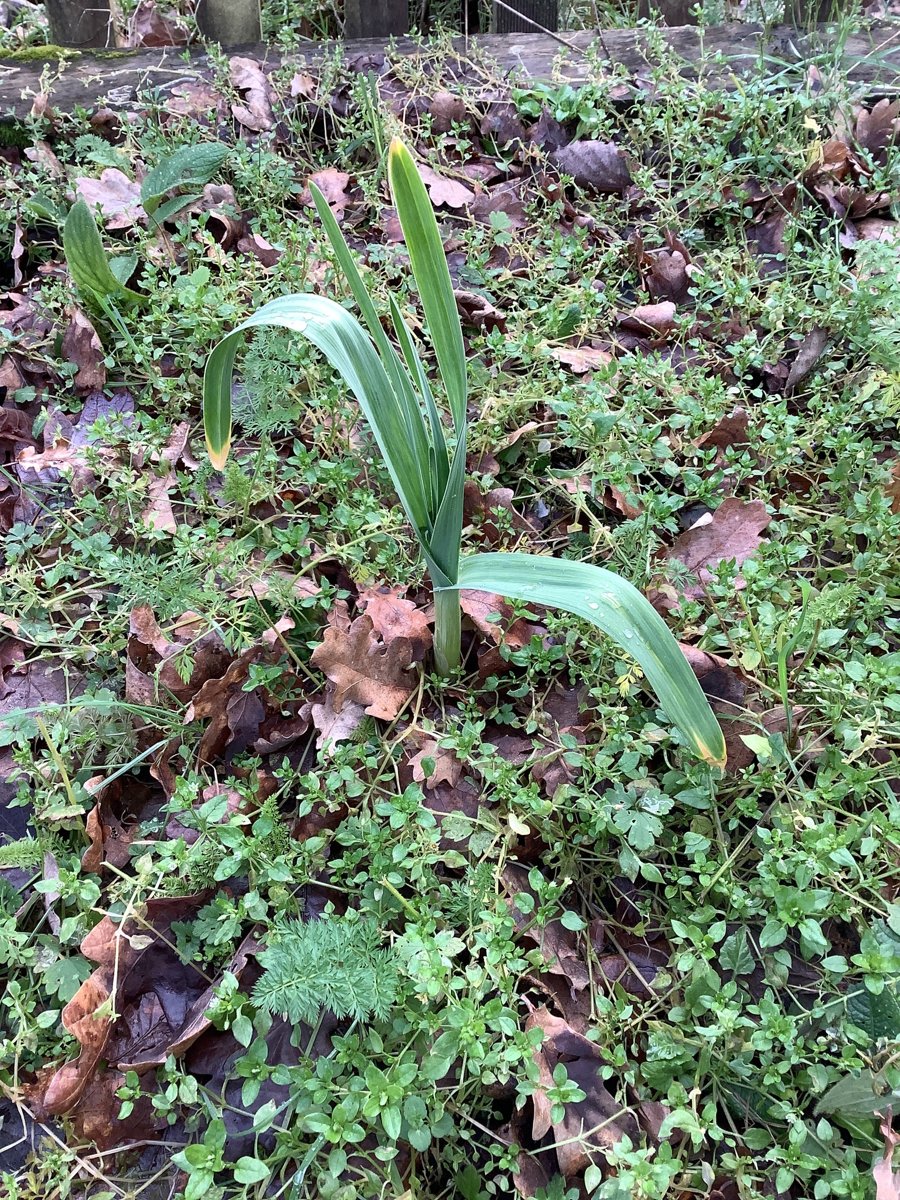 Garlic Extract |
Allium sativum | shares 1987 product(s) |
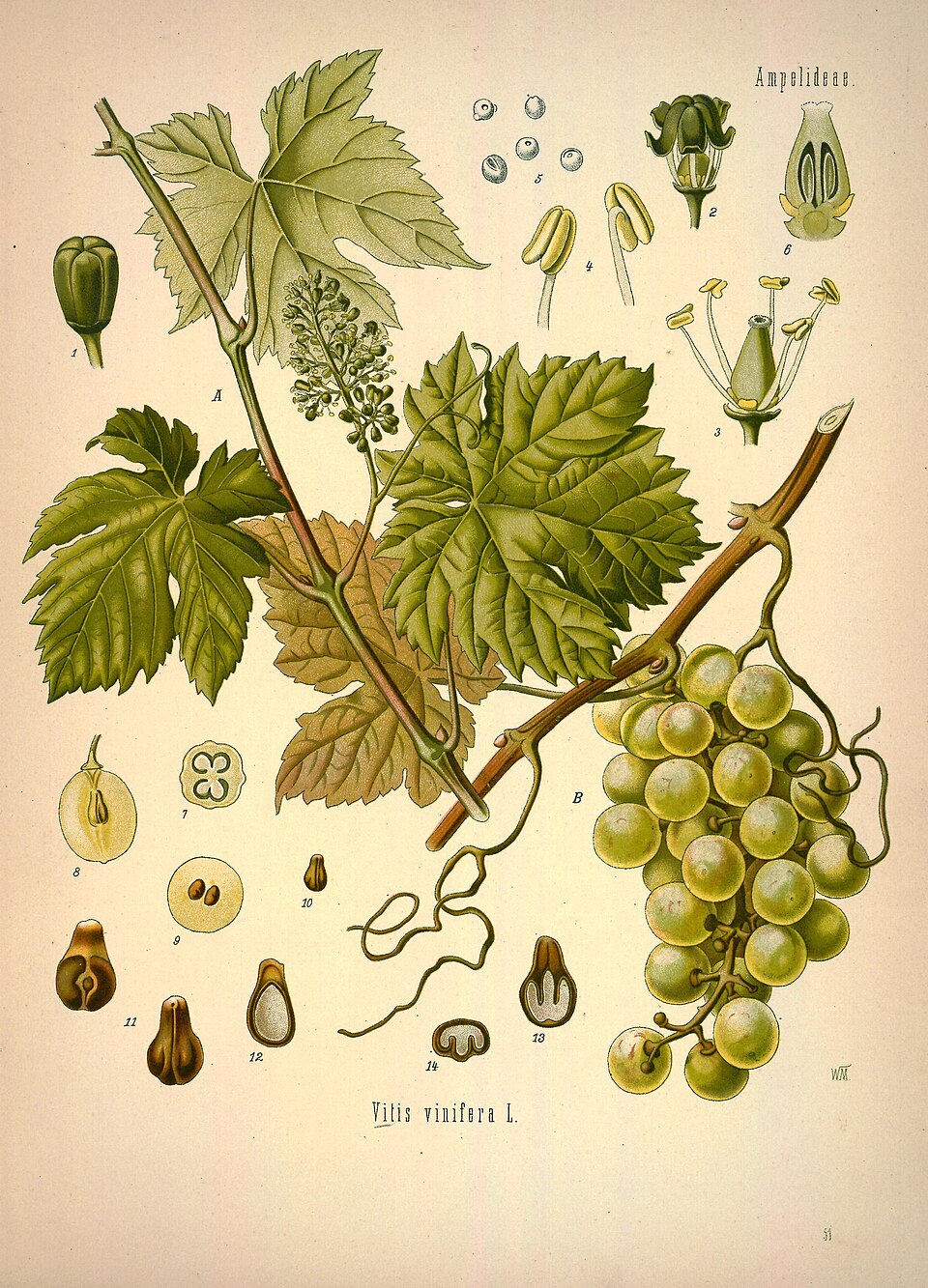 Grape Seed Extract |
Vitis vinifera (OPC) | shares 265 product(s) |
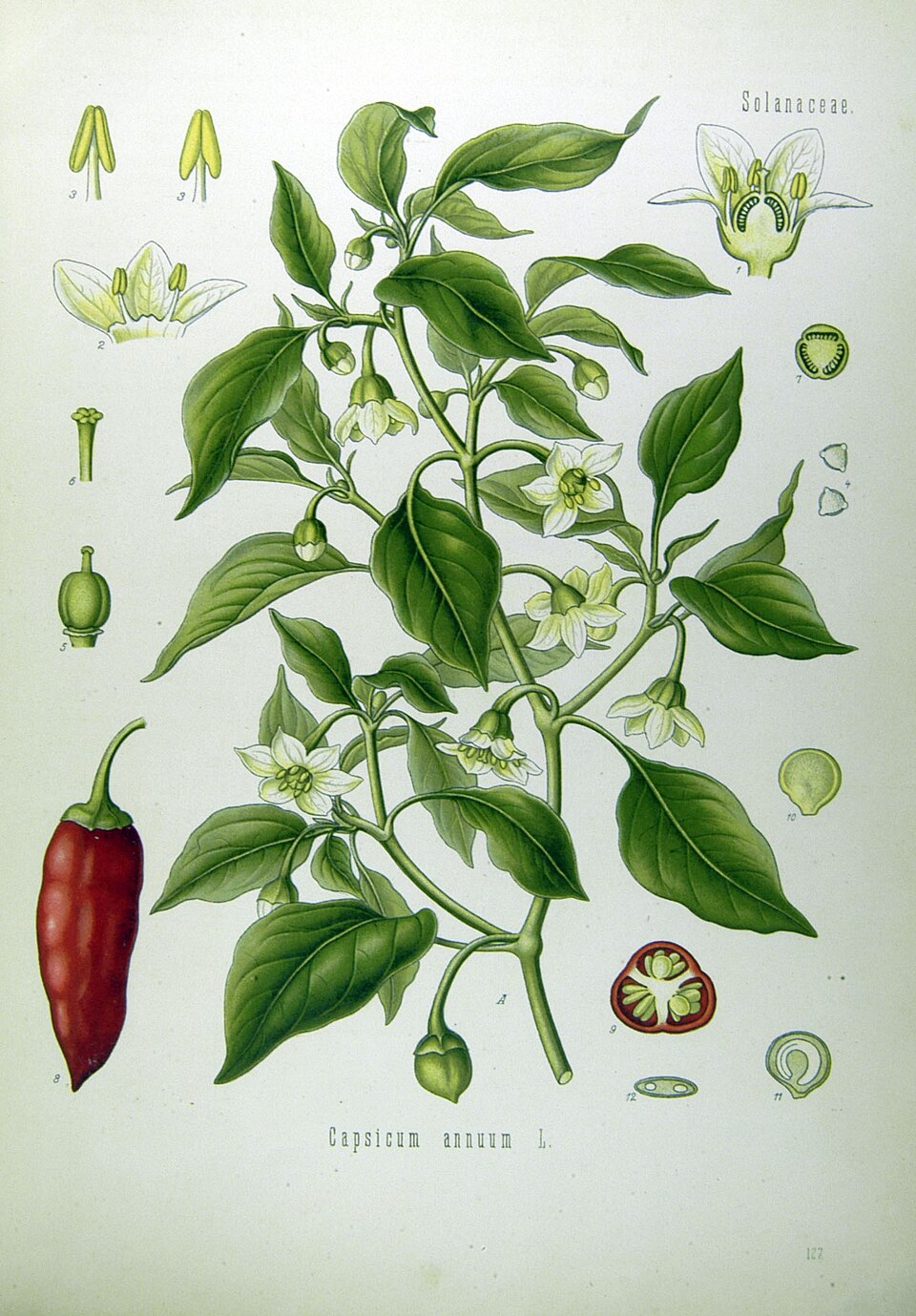 Capsicum |
Capsicum annuum | shares 247 product(s) |
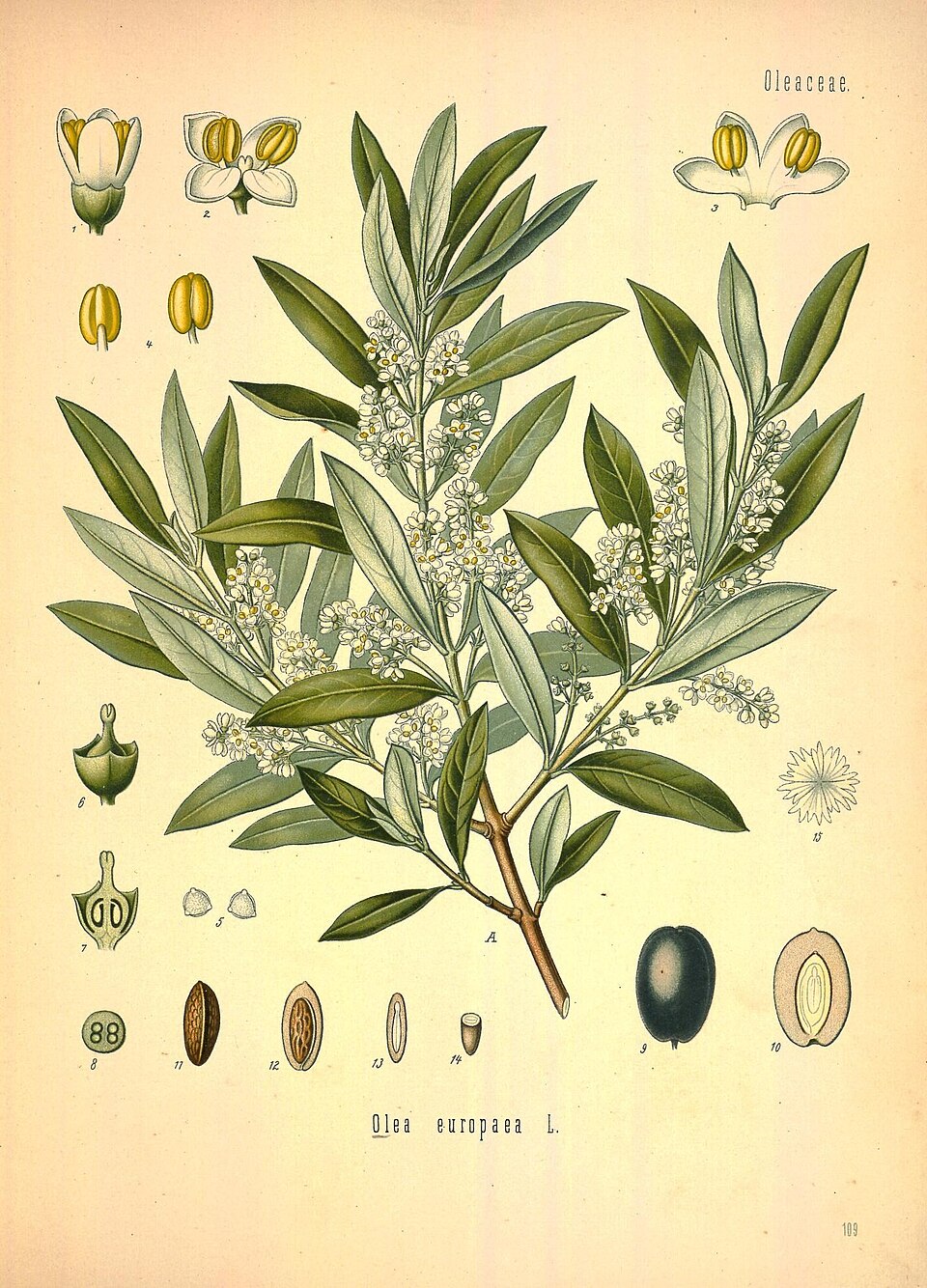 Olive Leaf Extract |
Olea europaea | shares 210 product(s) |
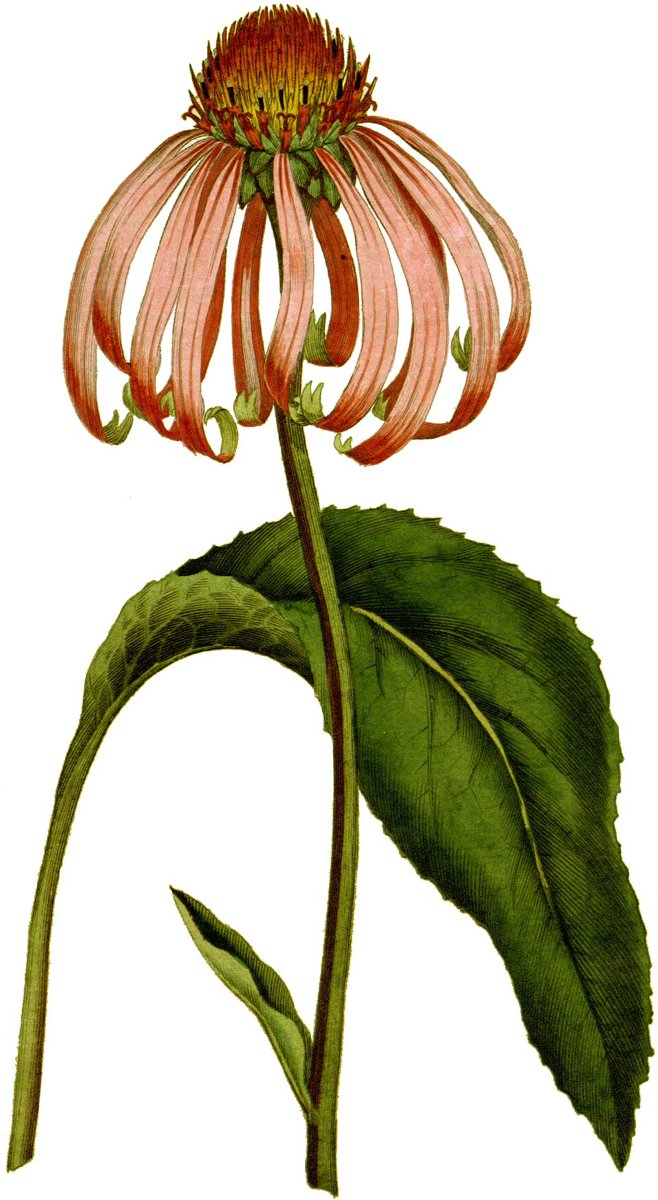 Echinacea |
Echinacea purpurea | shares 206 product(s) |
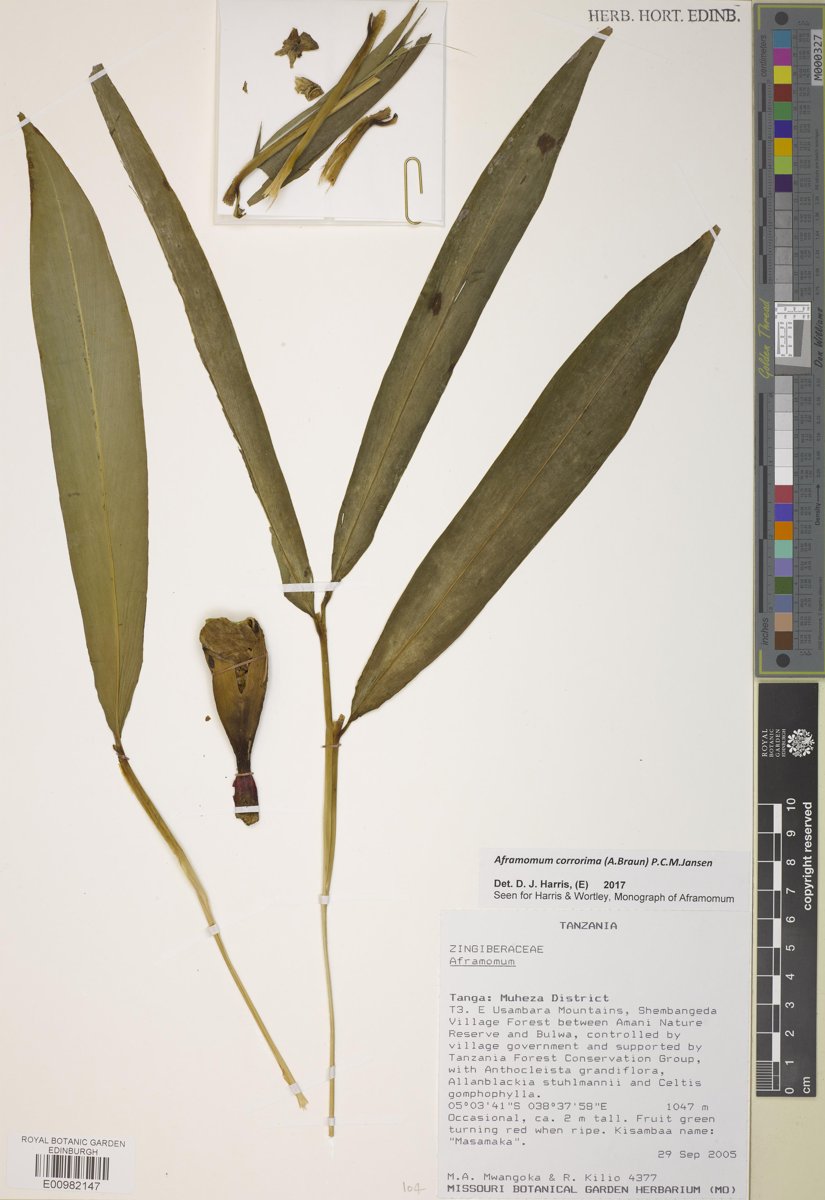 Ethiopian Cardamom |
Aframomum corrorima | similar summary terms |
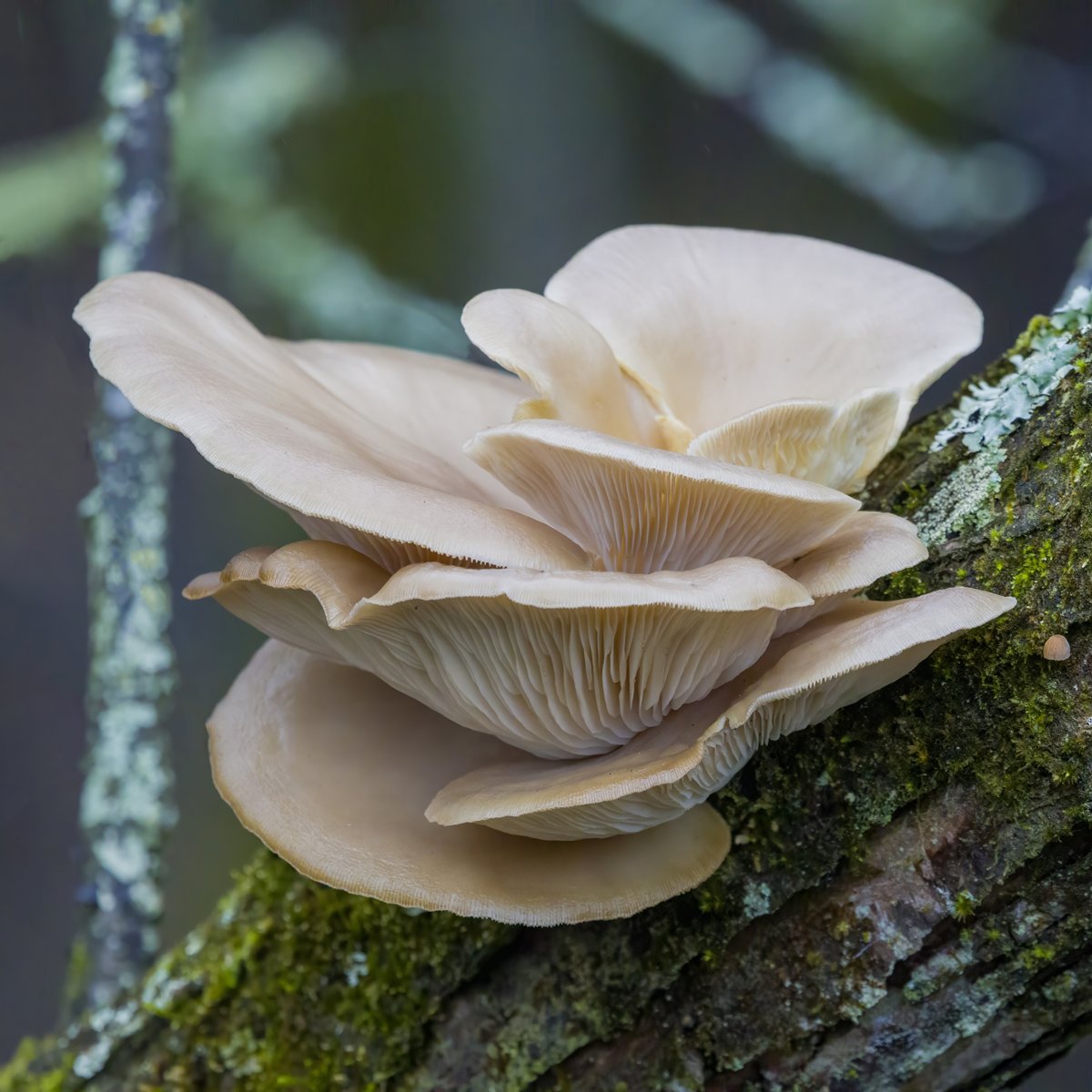 Oyster Mushroom |
Pleurotus ostreatus | similar summary terms |
 Cornus Sericea |
Cornus sericea | similar summary terms |
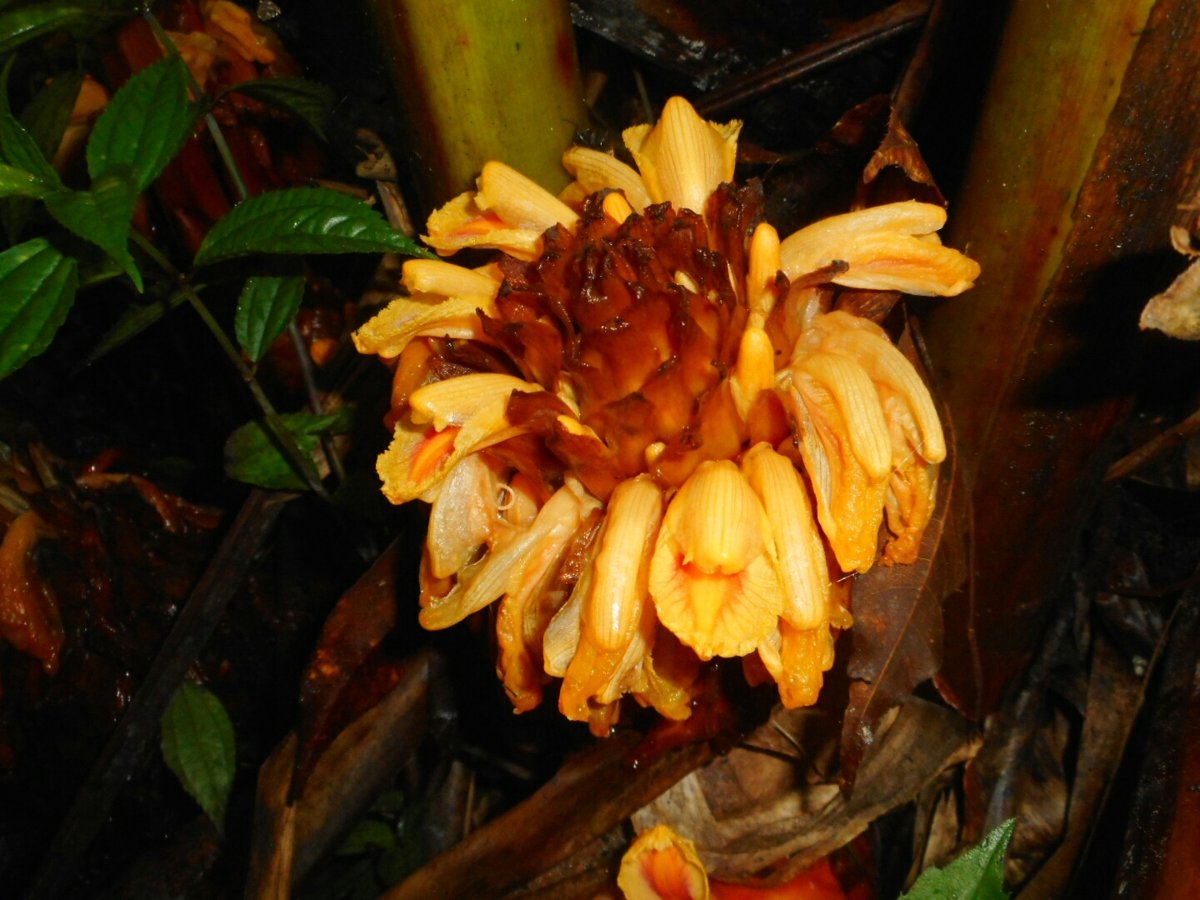 Chinese Black Cardamom |
Lanxangia tsaoko | similar summary terms |
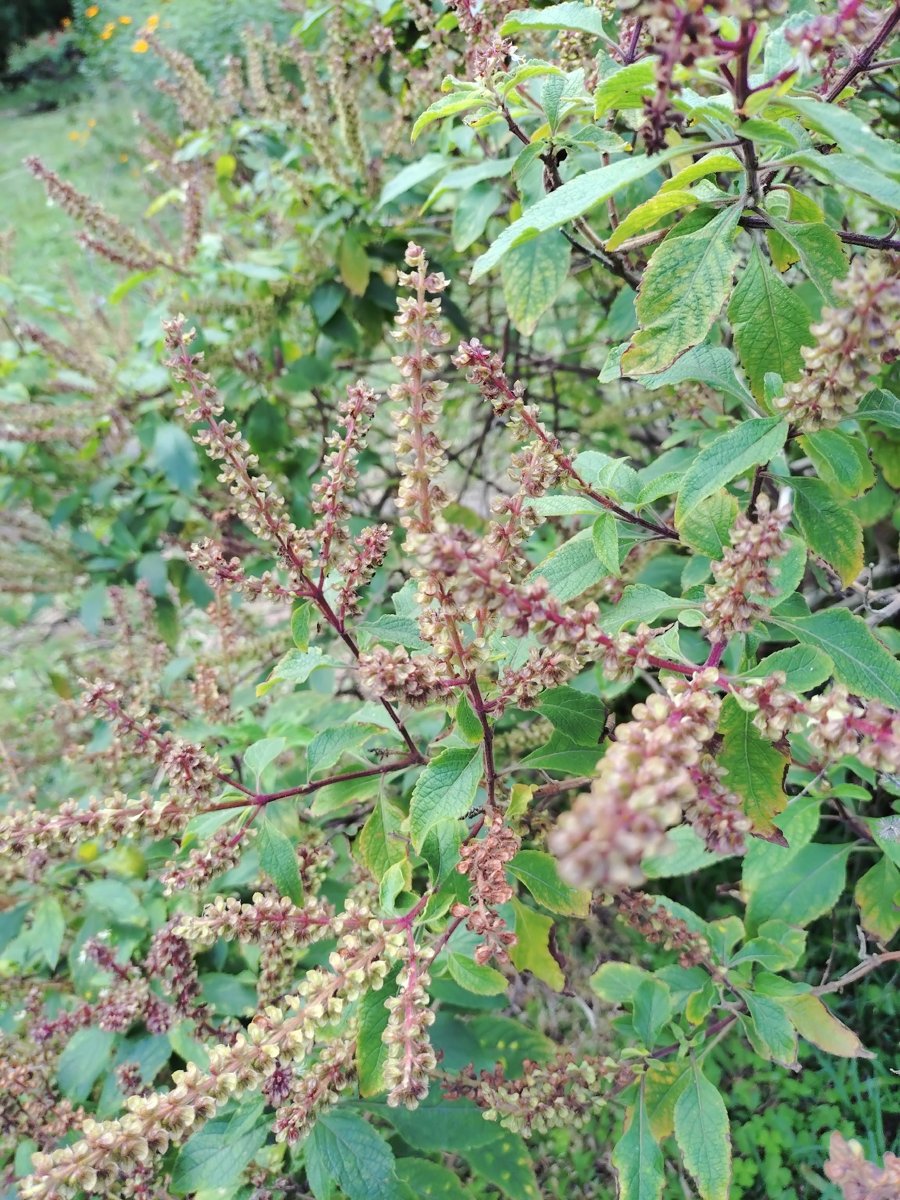 African Basil |
Ocimum gratissimum | similar summary terms |
Ask the RAG about Garlic Chives — get evidence-based answers from WHO monographs and pharmacognosy textbooks.
Or browse the product search to find more products.