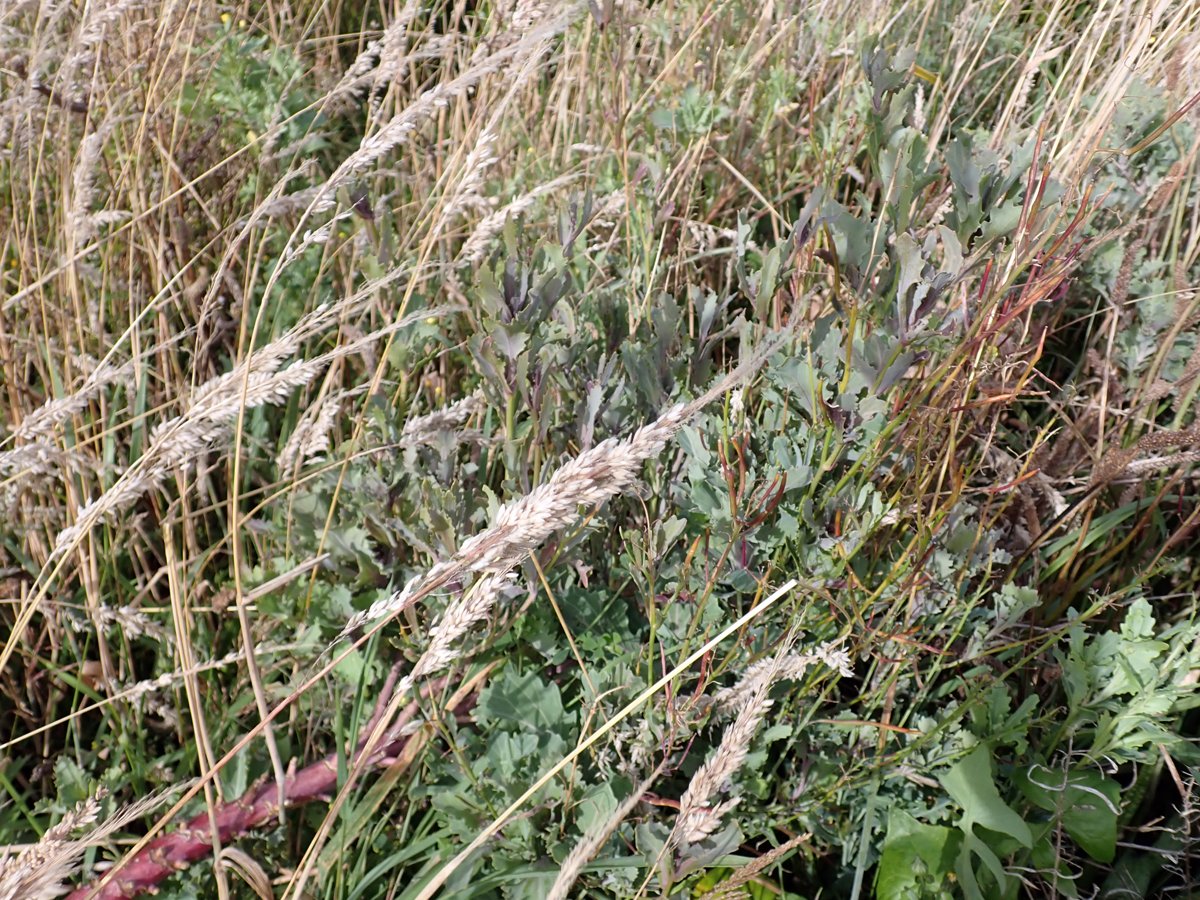
Collard Greens
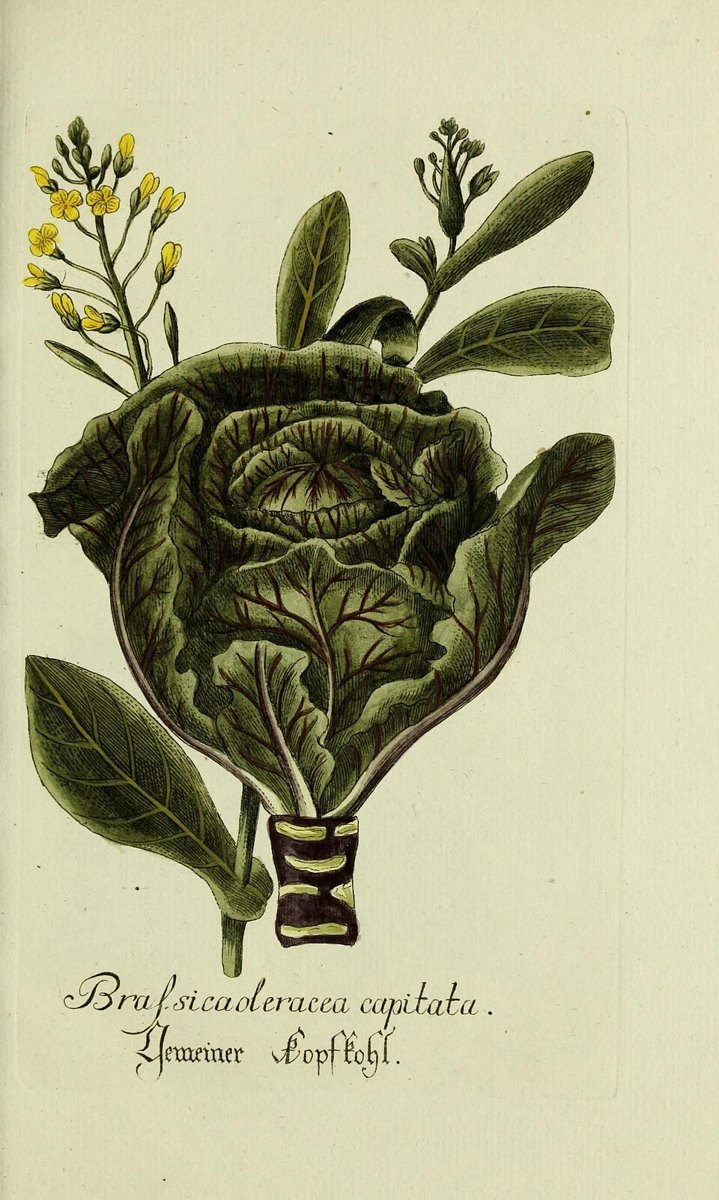
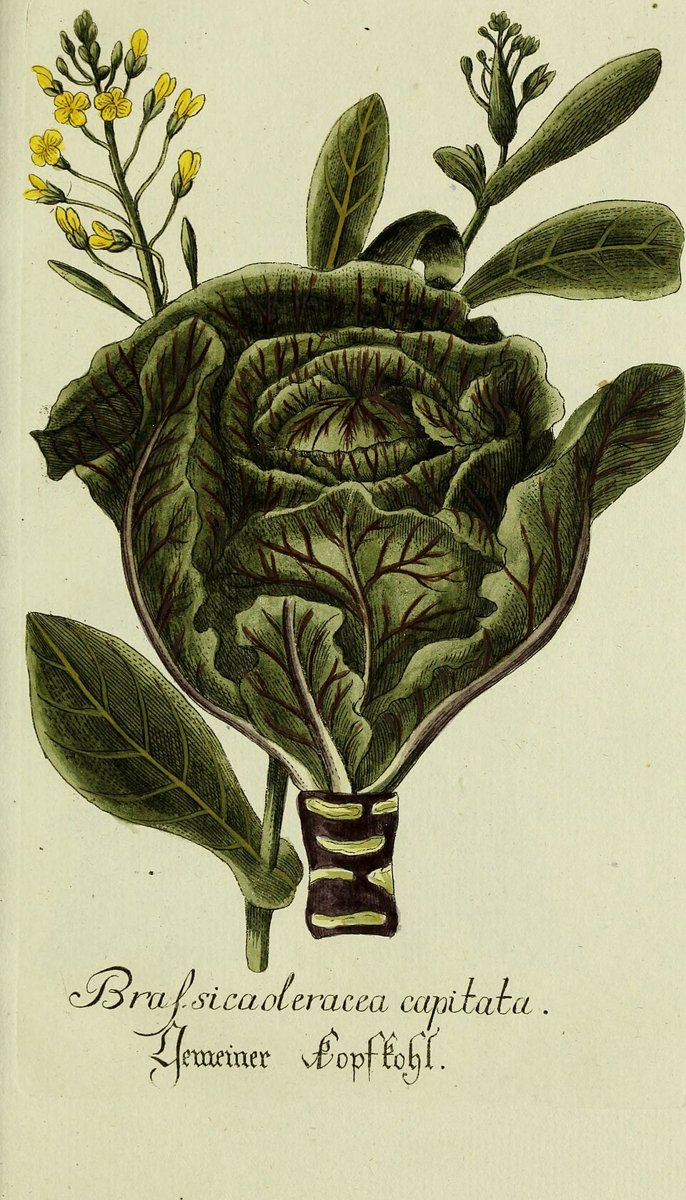
Brassica oleracea
Conditionally Safe
evidence: limited
Brassica oleracea
| Scientific Name | Brassica oleracea |
| Safety Rating | Conditionally Safe |
| Evidence Level | limited |
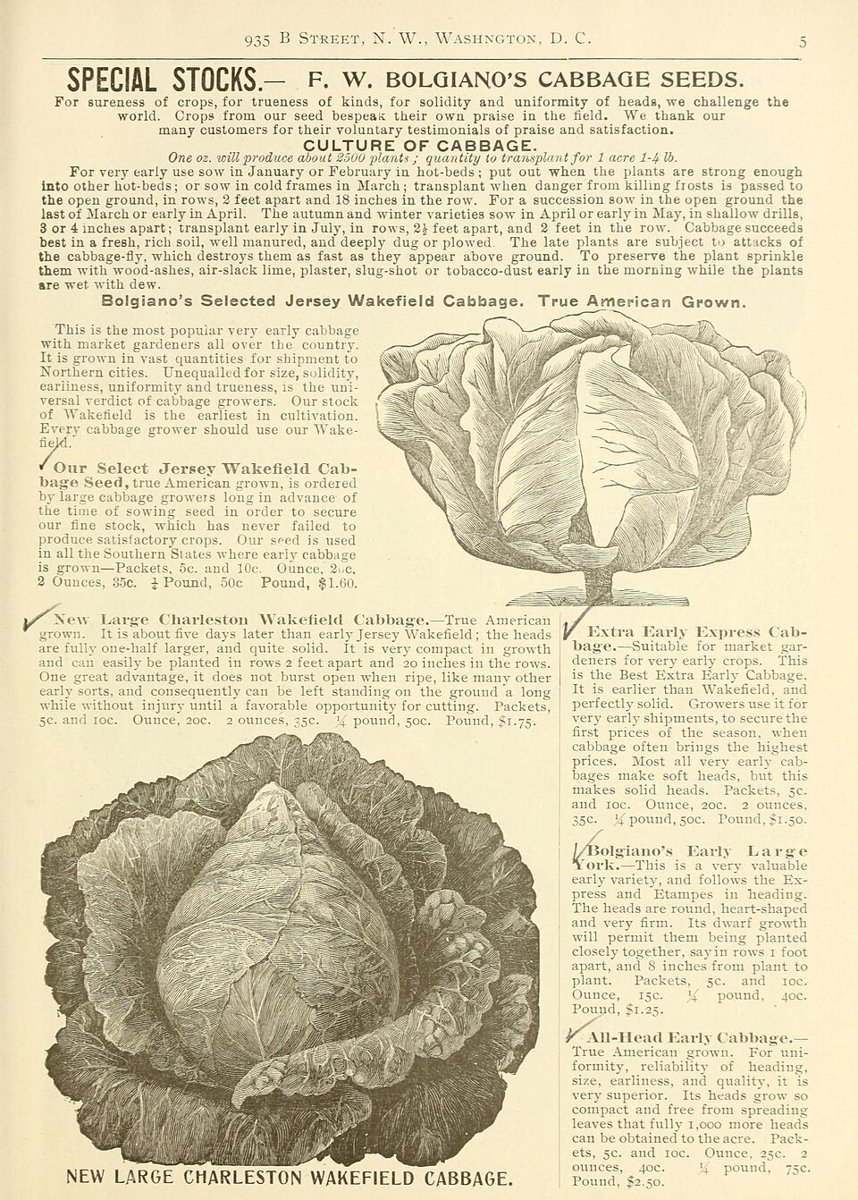
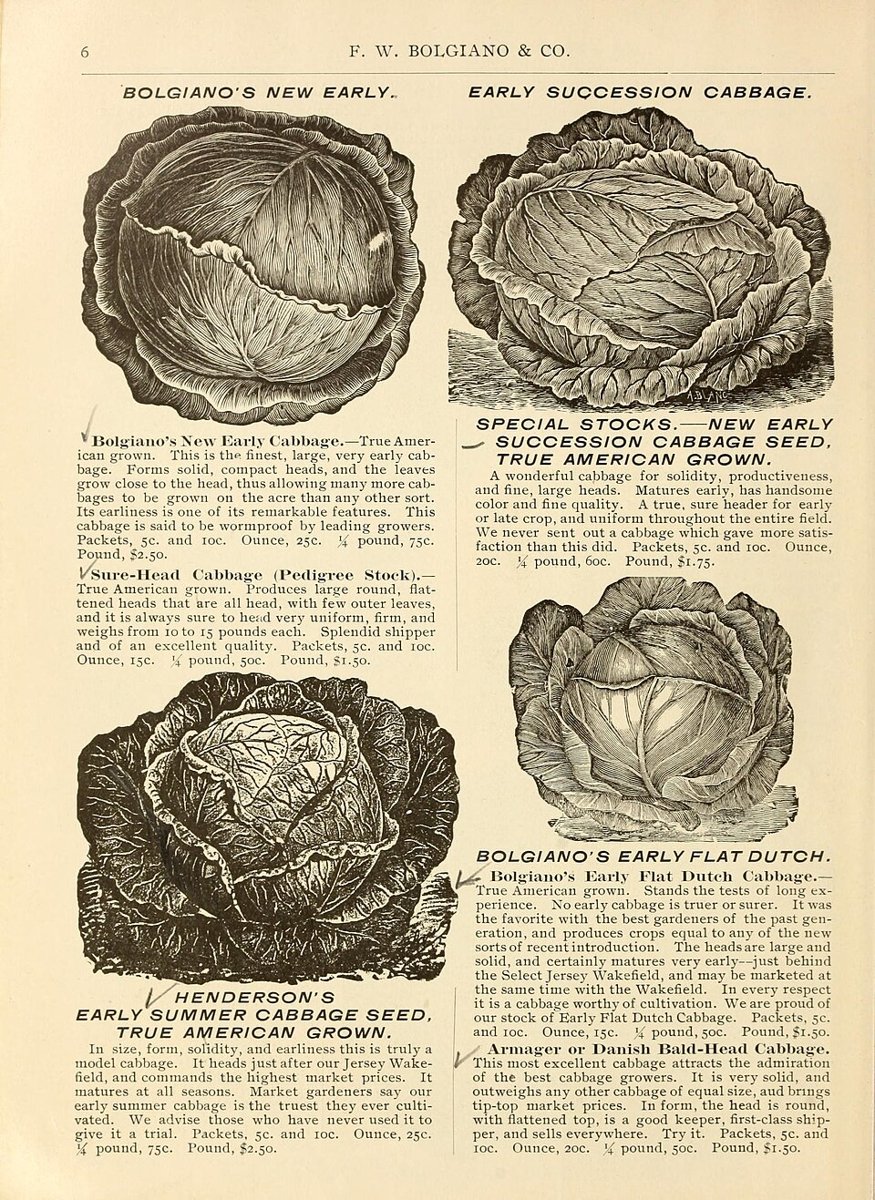
Collard greens are a large‑leafed member of the cabbage family, cultivated as a hardy leafy vegetable that can be stored through winter and heat. They are used primarily for their high nutrient density, providing vitamins K, C, A, calcium, and folate, with antioxidant and fiber content that supports cardiovascular health, digestive comfort, and bone strength. Consumers should note that the leaves contain oxalates that can contribute to kidney stone formation, and the high vitamin K content may interfere with blood‑thinning medications.
Source: https://en.wikipedia.org/wiki/Collards, https://en.wikipedia.org/wiki/Collard_Greens
50 products from NIH DSLD database (verified label data)
1 products (showing max 200)
| Product | Ingredient | Amount | Price |
|---|---|---|---|
| Green Vibrance Junior Apple-icious | Collard Greens | 50 mg | - |
| Herb | Scientific Name | Why related |
|---|---|---|
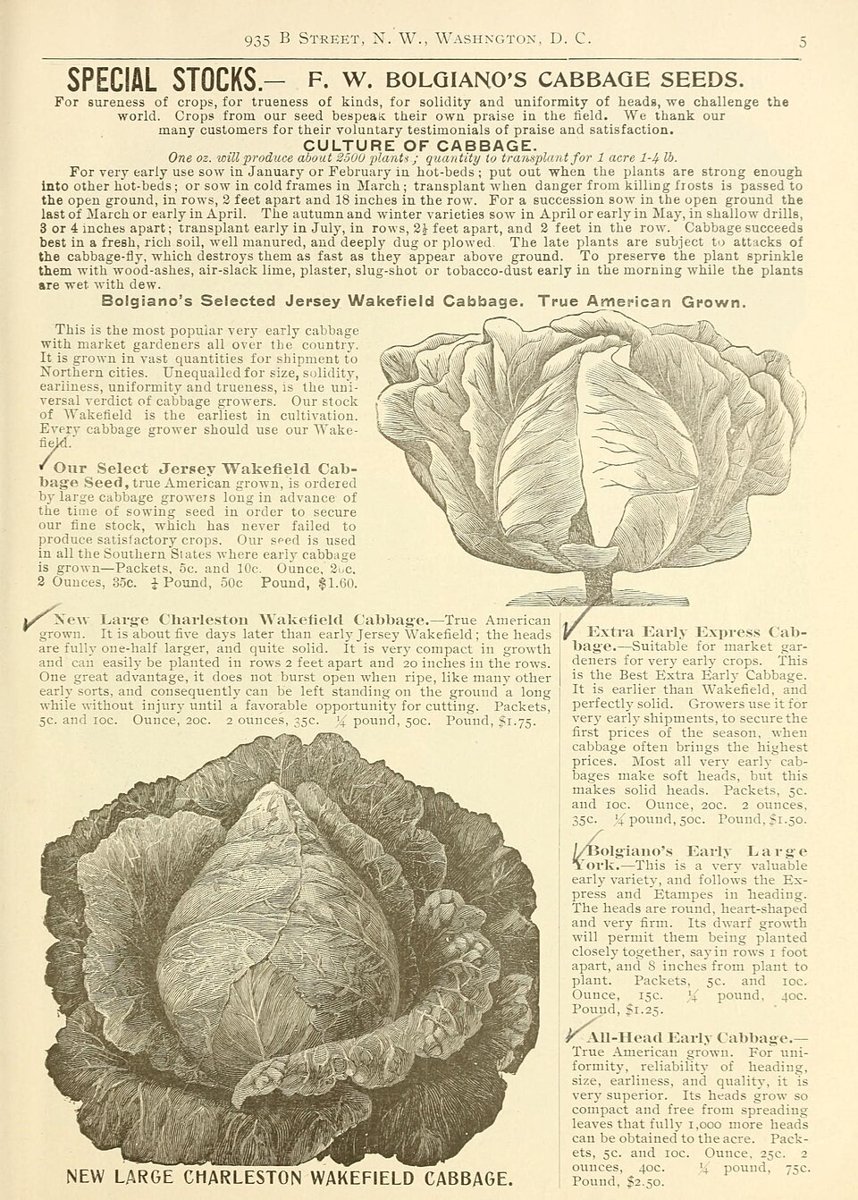 Broccoli Sprouts |
Brassica oleracea | shares 82 product(s) |
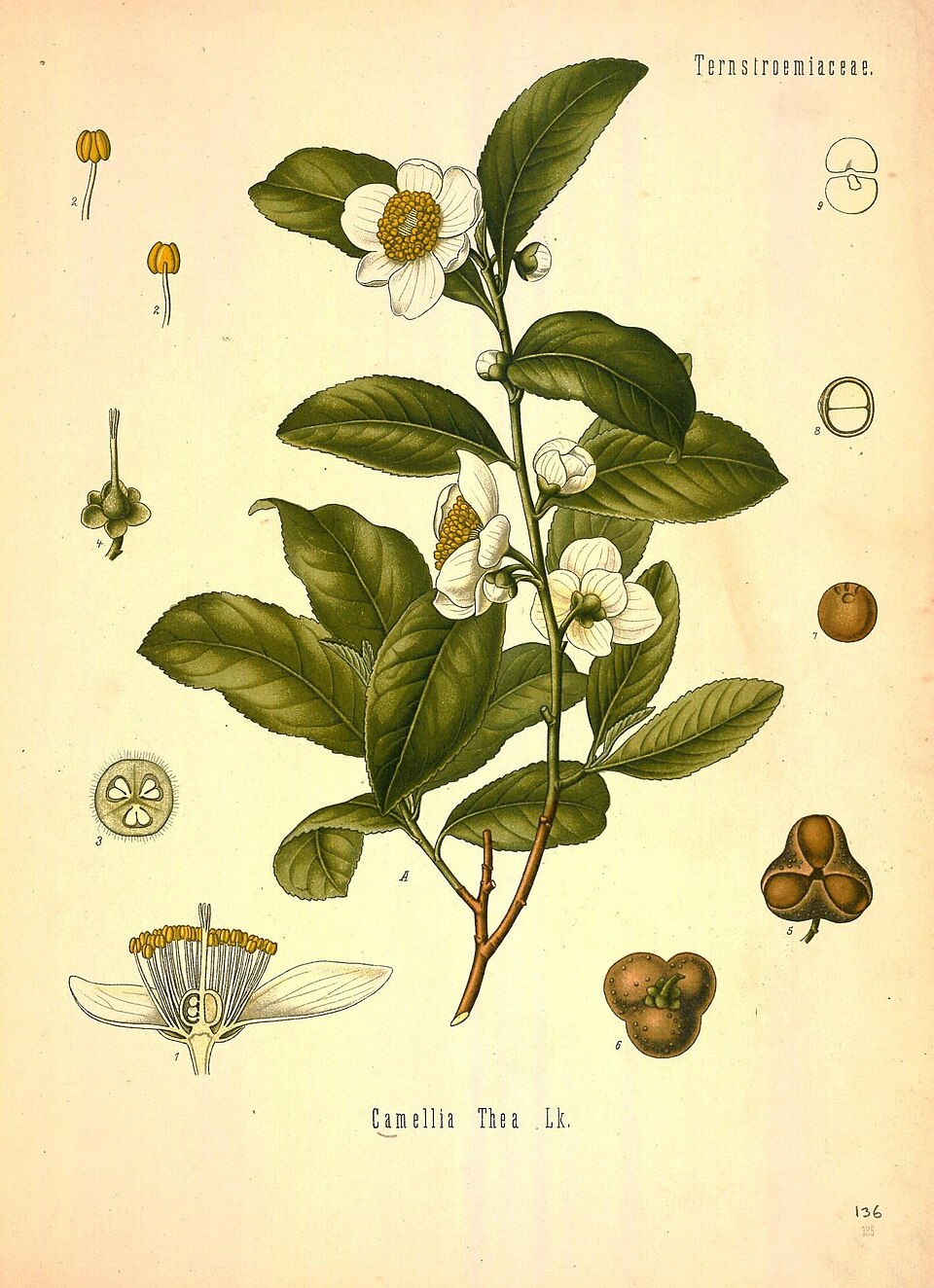 Green Tea Extract |
Camellia sinensis (EGCG) | shares 82 product(s) |
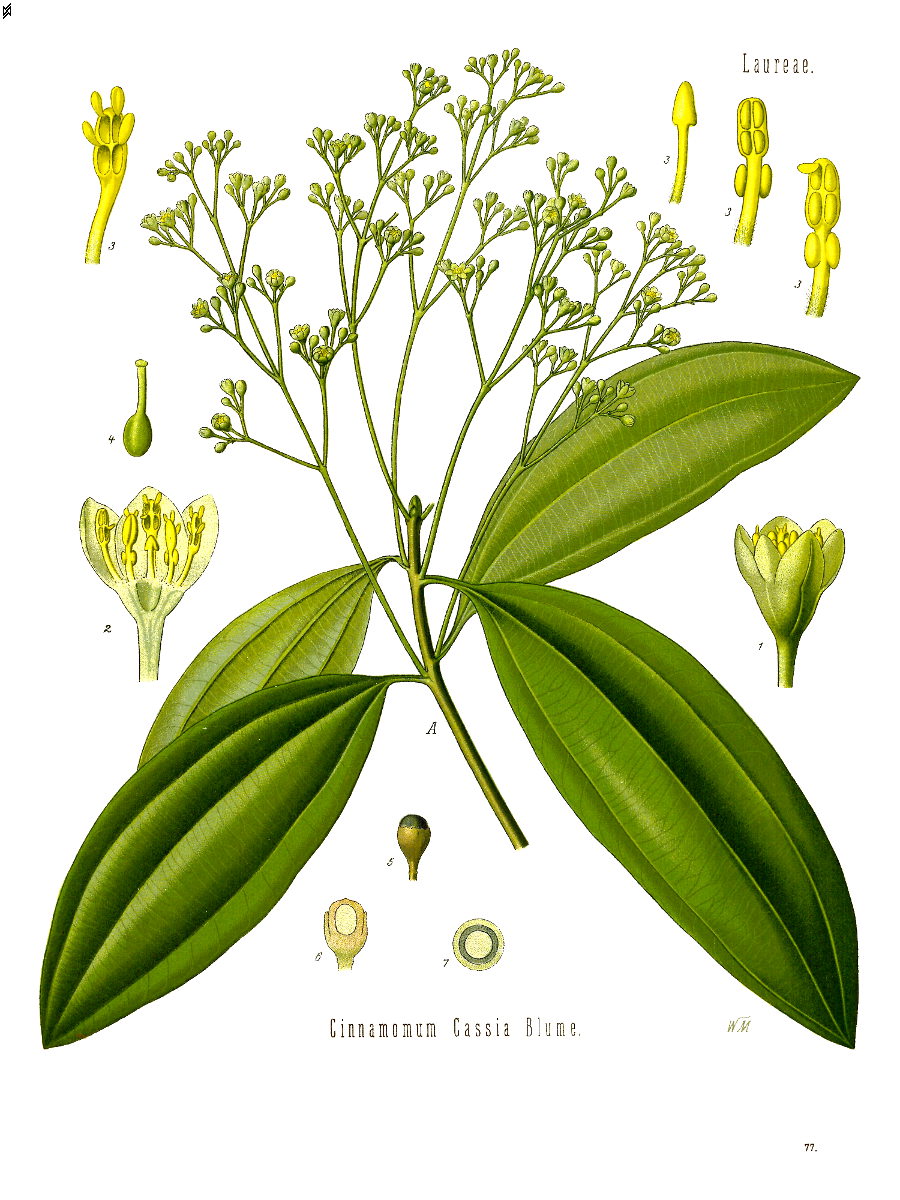 Cinnamon |
Cinnamomum cassia | shares 59 product(s) |
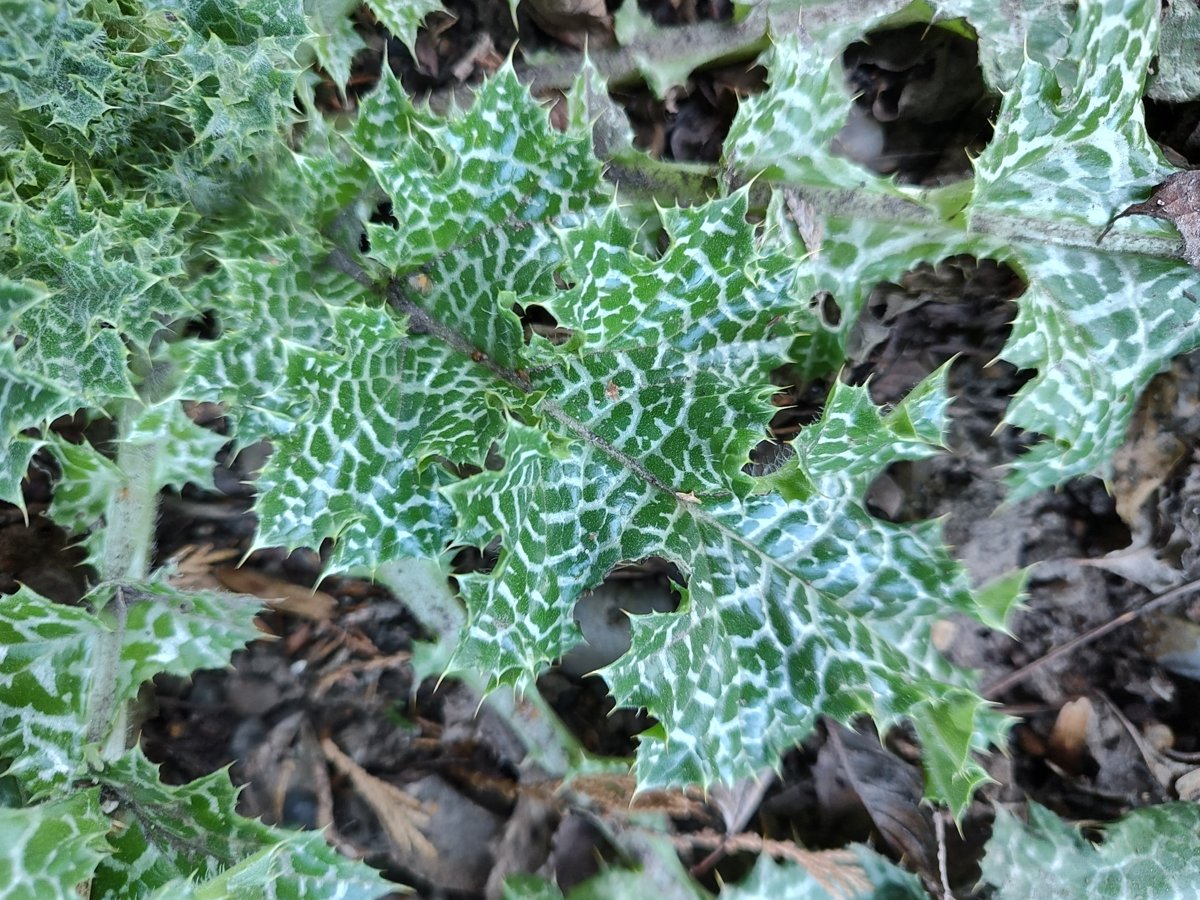 Milk Thistle |
Silybum marianum | shares 40 product(s) |
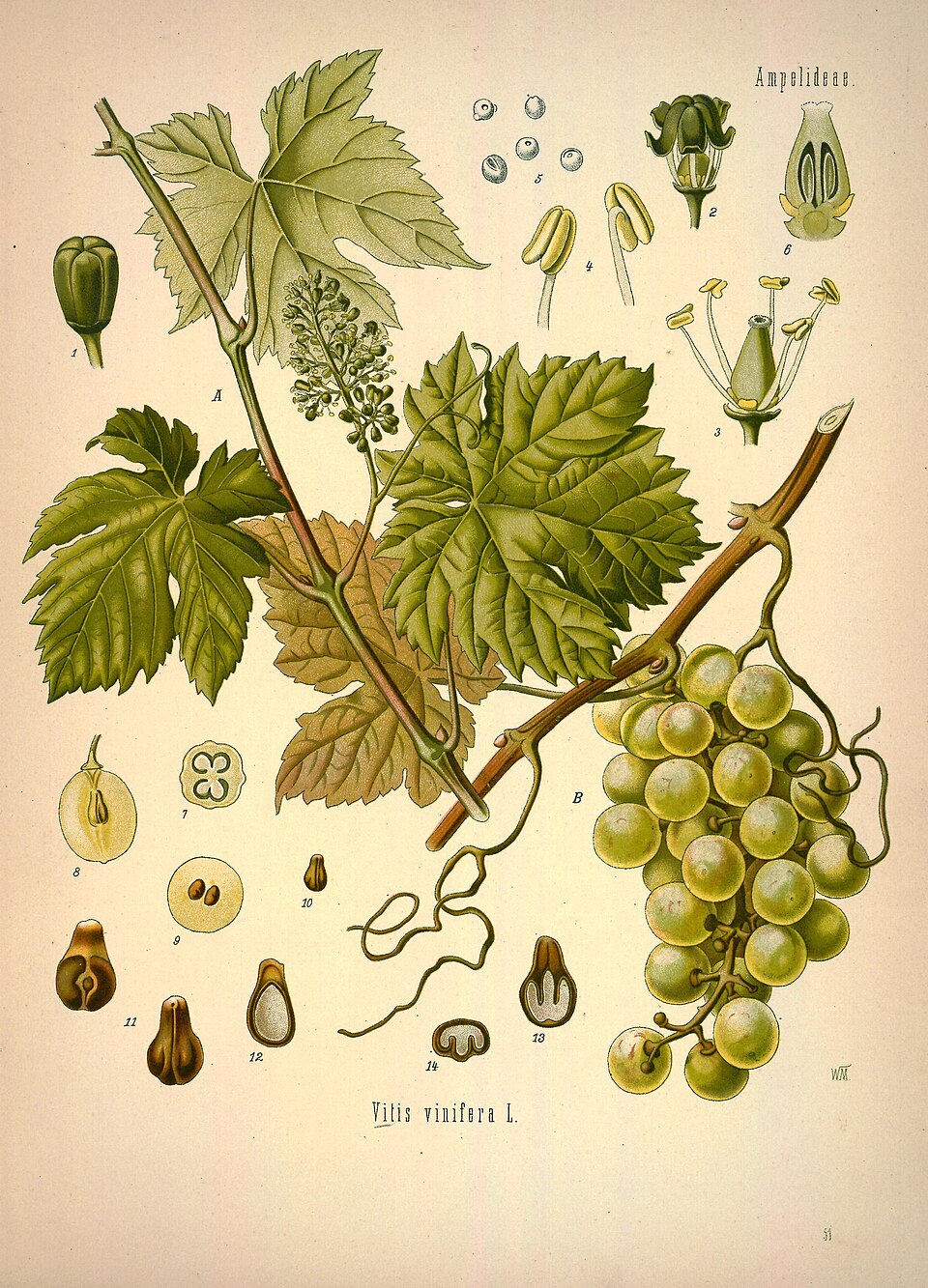 Grape Seed Extract |
Vitis vinifera (OPC) | shares 33 product(s) |
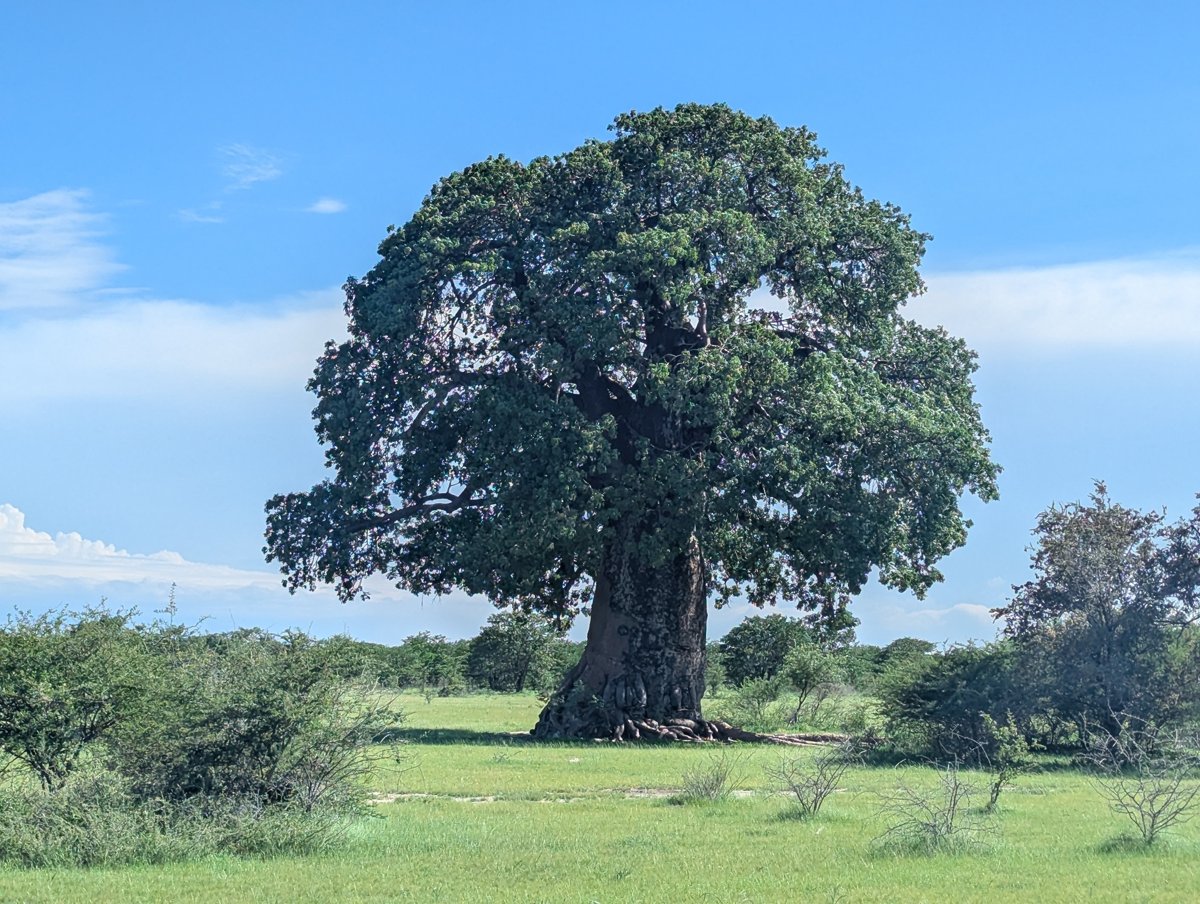 Baobab |
Adansonia digitata | similar summary terms |
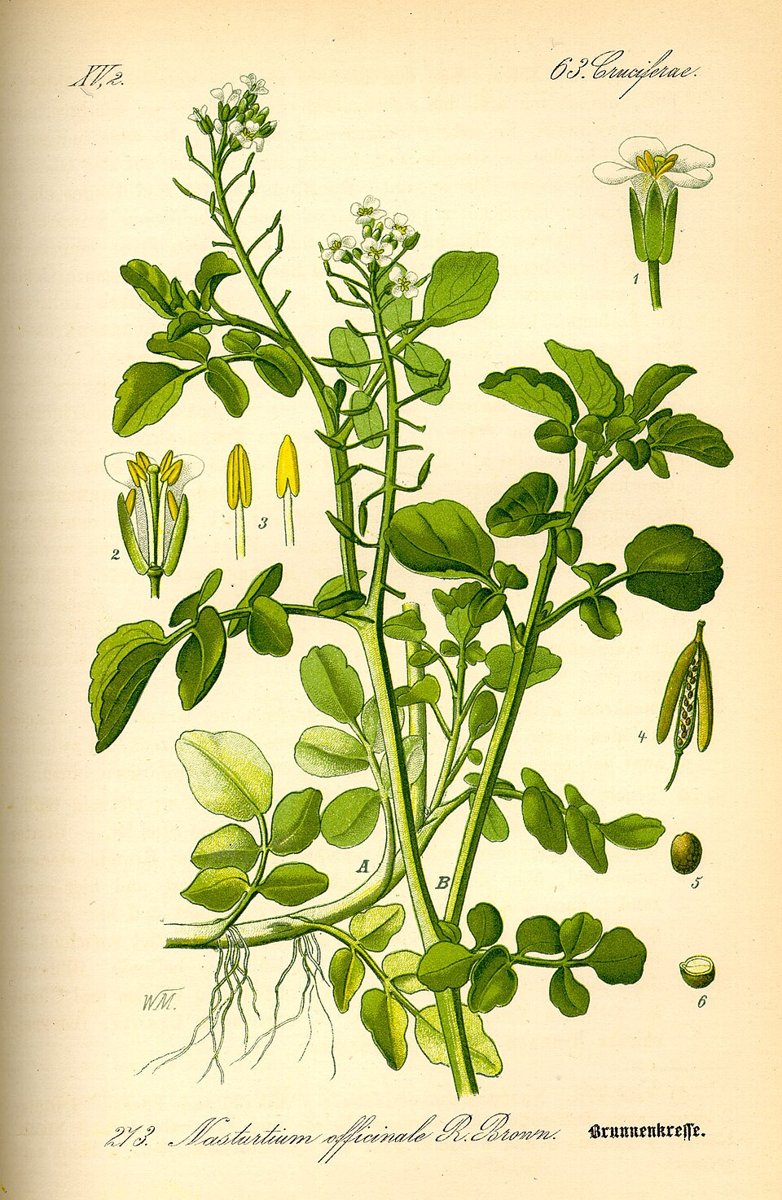 Watercress |
Nasturtium officinale | similar summary terms |
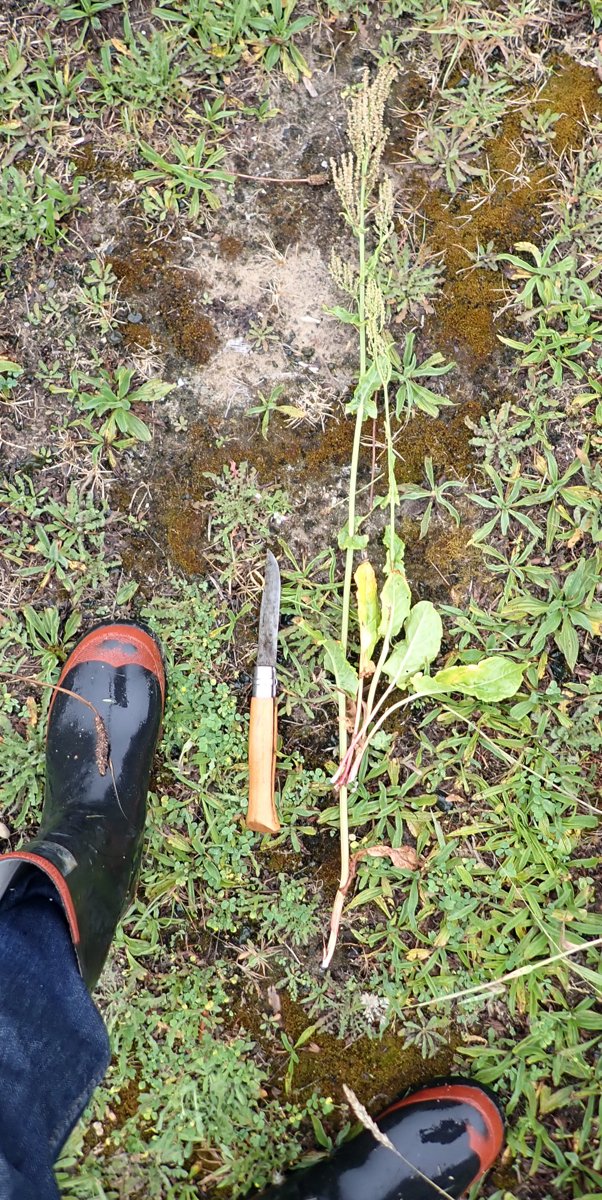 Common Sorrel |
Rumex acetosa | similar summary terms |
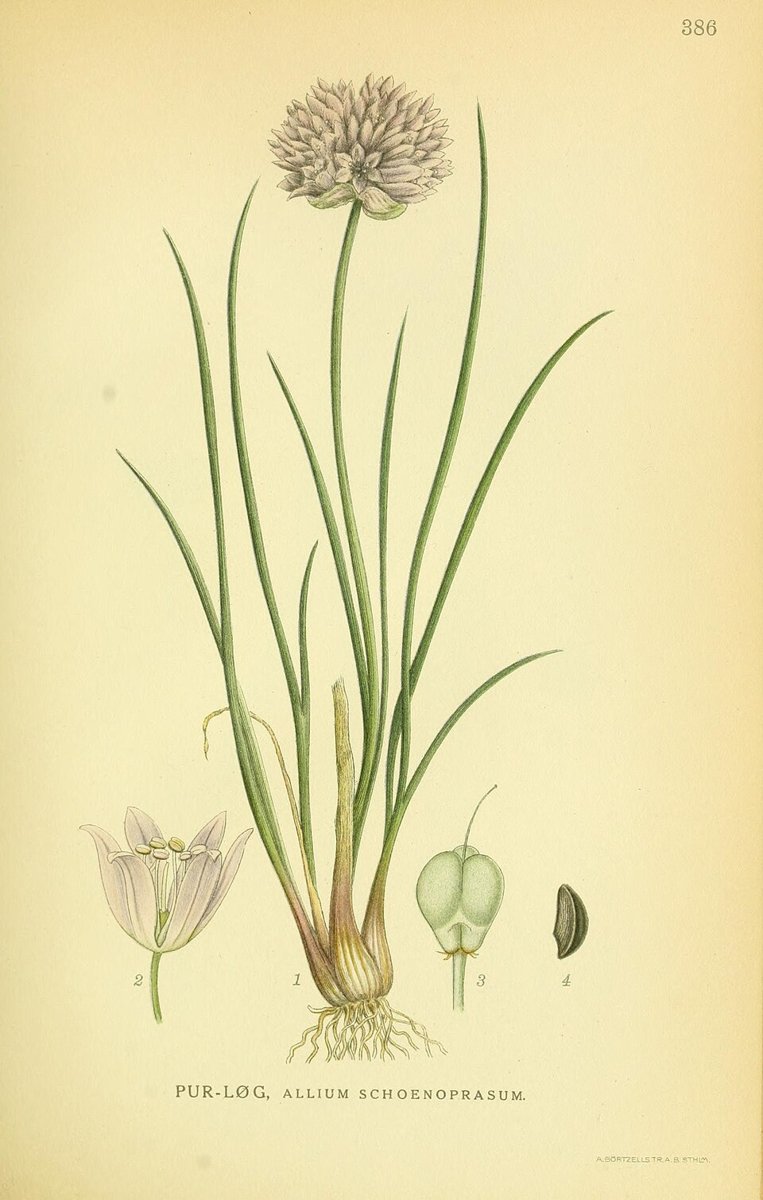 Chives |
Allium schoenoprasum | similar summary terms |
Ask the RAG about Collard Greens — get evidence-based answers from WHO monographs and pharmacognosy textbooks.
Or browse the product search to find more products.