
Common Sorrel
Rumex acetosa
| Scientific Name | Rumex acetosa |
| Safety Rating | N/A |
| Evidence Level | N/A |
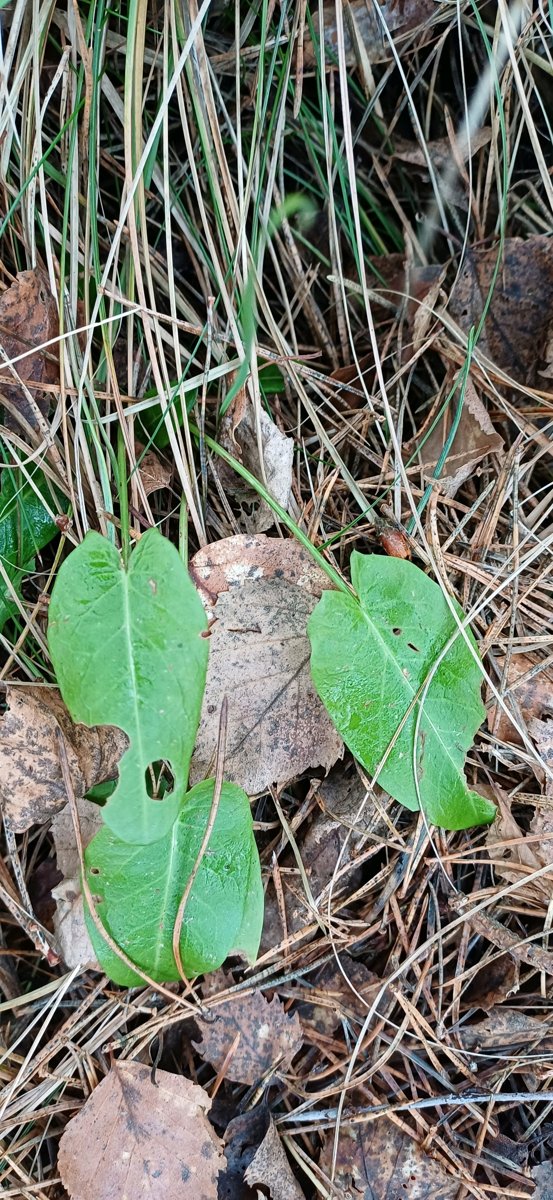
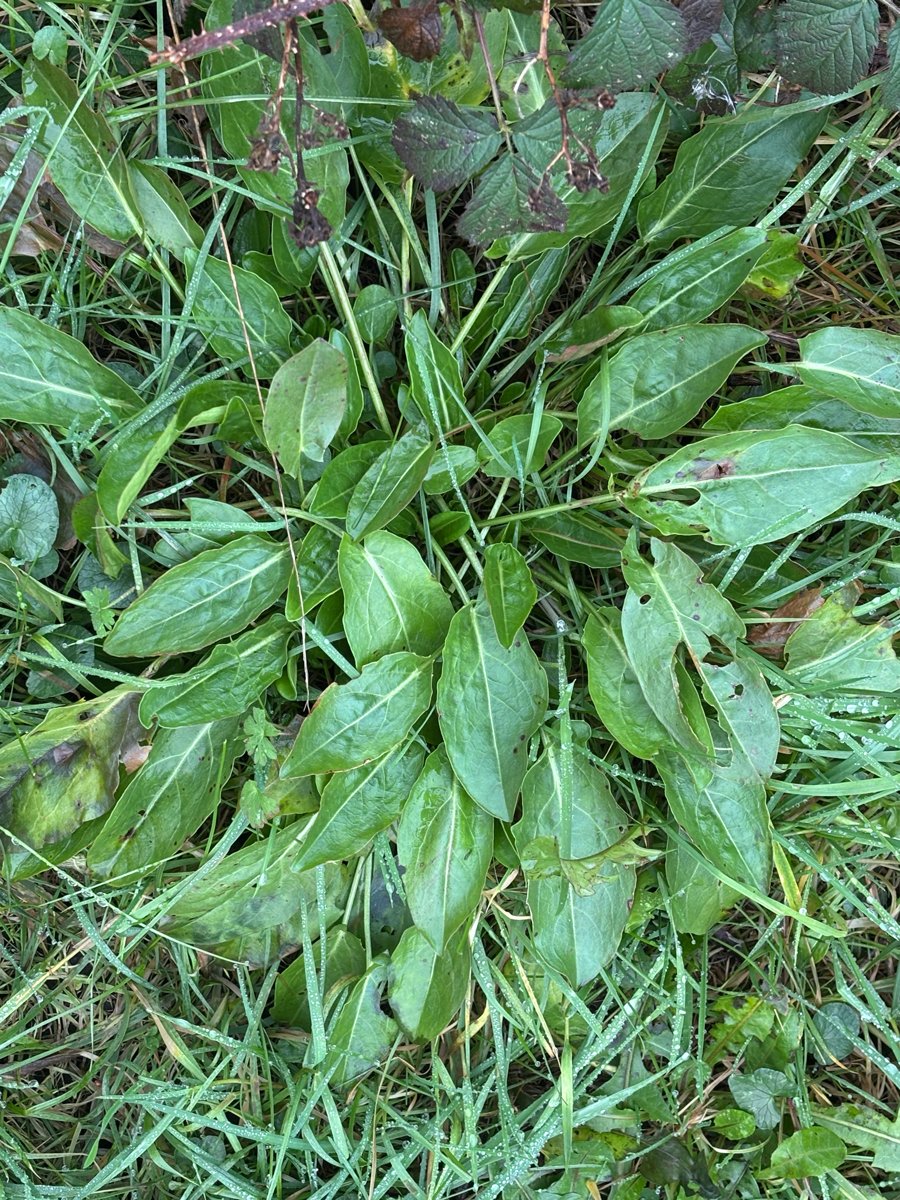
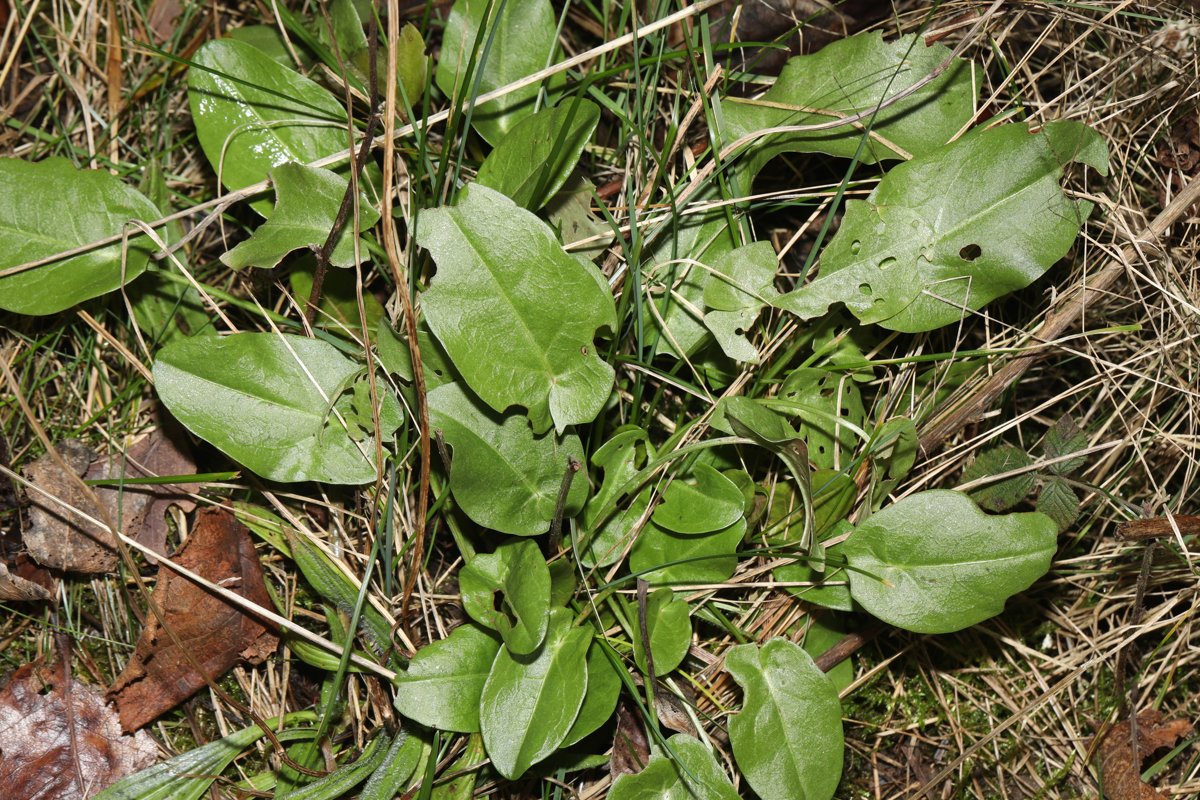
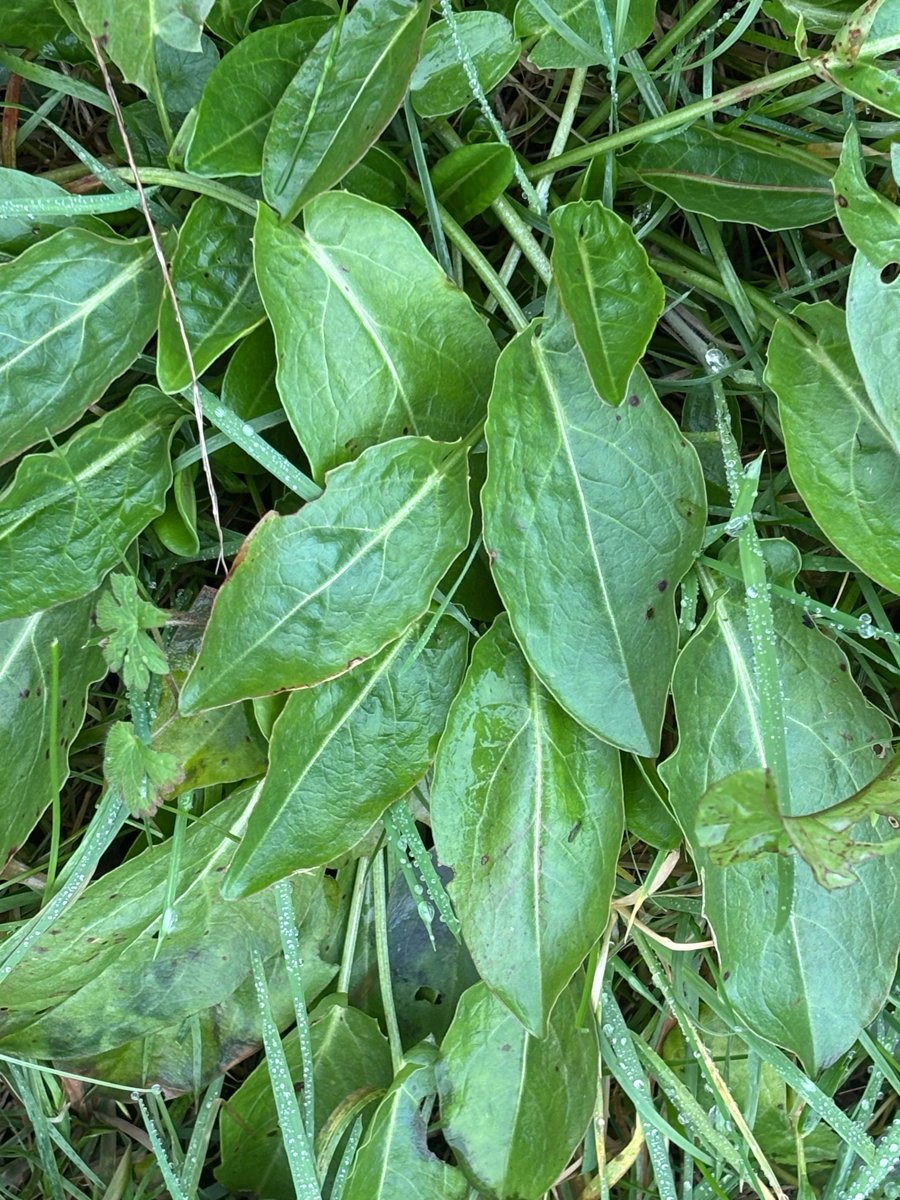
Common sorrel (Rumex acetosa) is a leafy perennial herb with bright green, heart‑shaped leaves. It is used as a natural antioxidant and anti‑inflammatory, and is commonly added to teas and soups to help relieve colds, sore throats, and mild digestive discomfort. Because it contains high levels of oxalates and is quite acidic, it can irritate the stomach and may contribute to kidney stone formation; people with kidney problems, bleeding disorders, or those taking anticoagulants should use it sparingly.
Source: WHO Monographs on Selected Medicinal Plants (Vols 1-3), Trease & Evans Pharmacognosy 16th ed, PMC: Yarrow
50 products from NIH DSLD database (verified label data)
| Herb | Scientific Name | Why related |
|---|---|---|
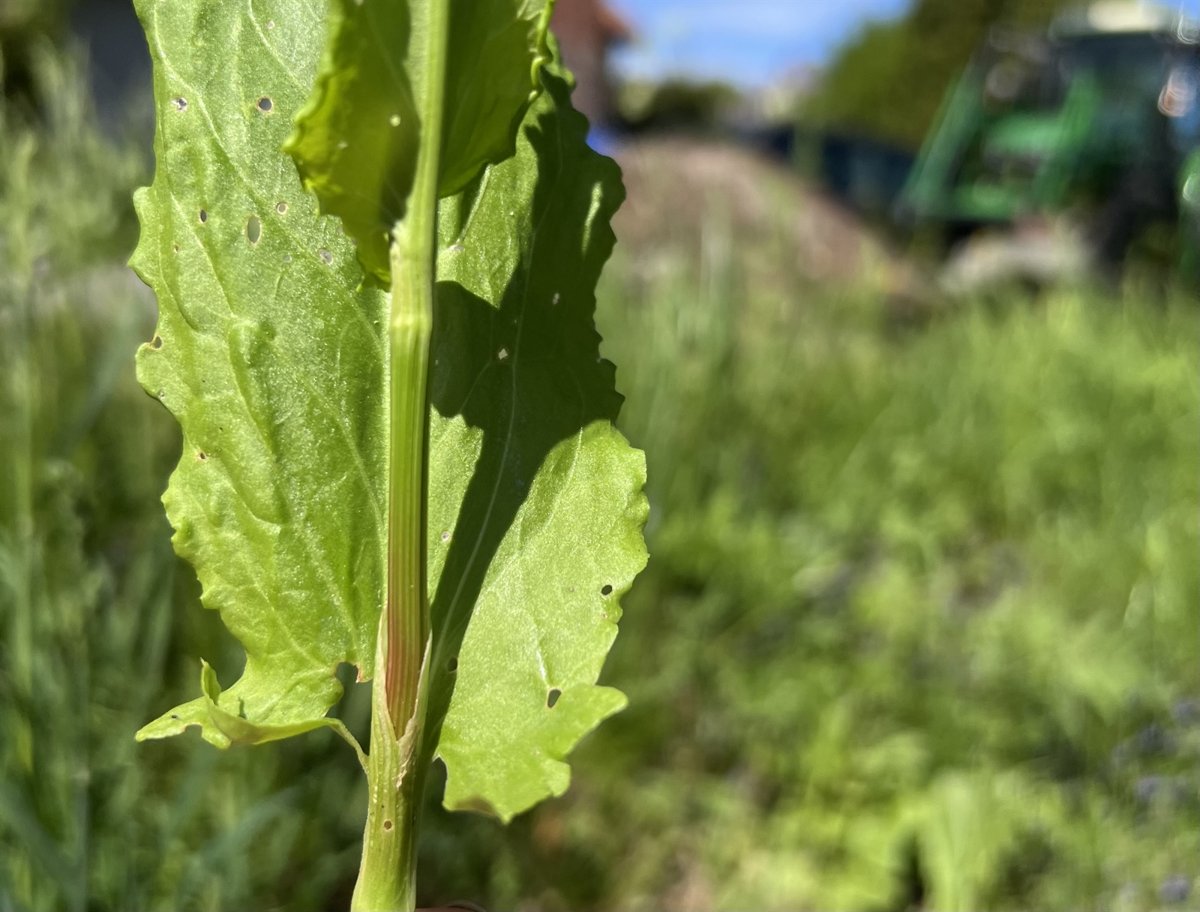 Garden Sorrel |
Rumex rugosus | shares 55 product(s) |
 Sheep Sorrel |
Rumex acetosella | shares 55 product(s) |
 Yellow Dock |
Rumex crispus | shares 22 product(s) |
 Burdock |
Arctium lappa | shares 16 product(s) |
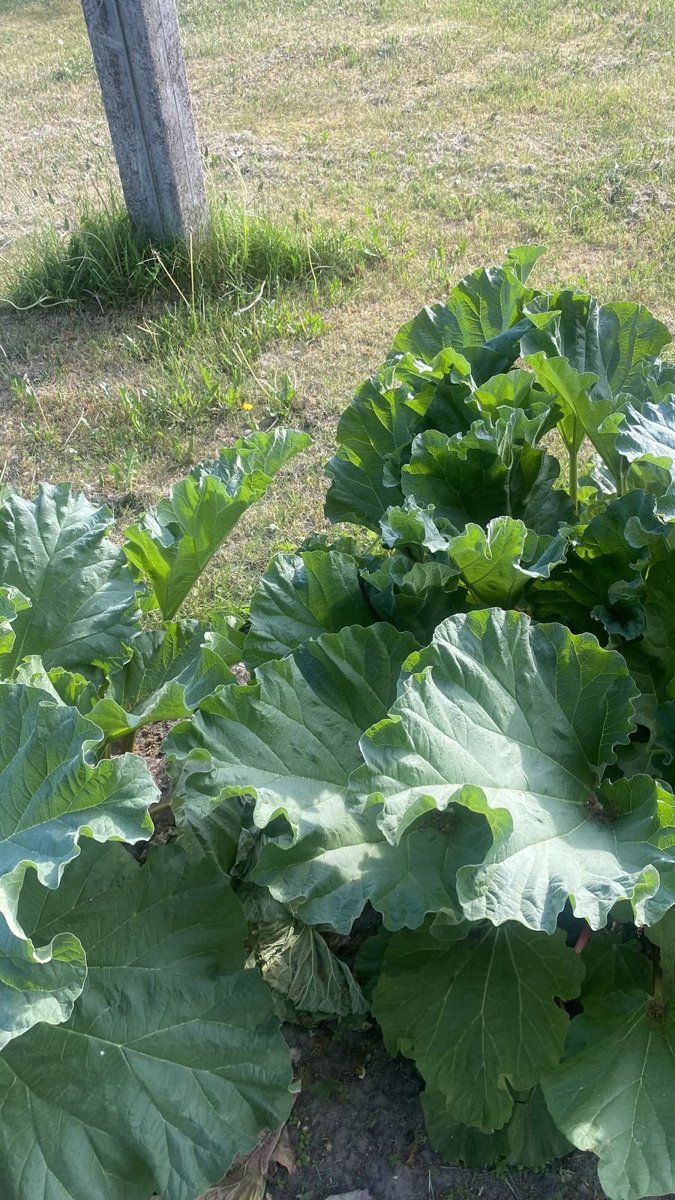 Rhapontic Rhubarb |
Rheum rhaponticum | shares 16 product(s) |
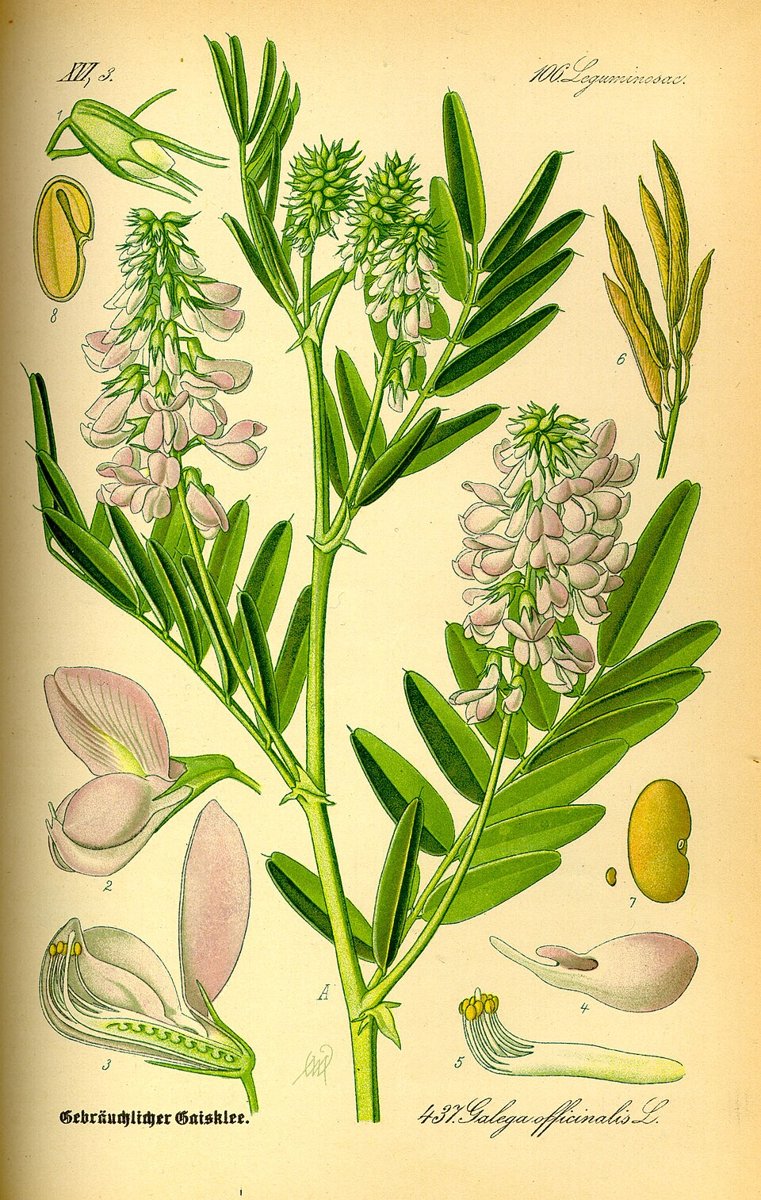 Goat's Rue |
Galega officinalis | similar summary terms |
 Guanabana |
Oxalis pes-caprae | similar summary terms |
 Turnip |
Brassica rapa | similar summary terms |
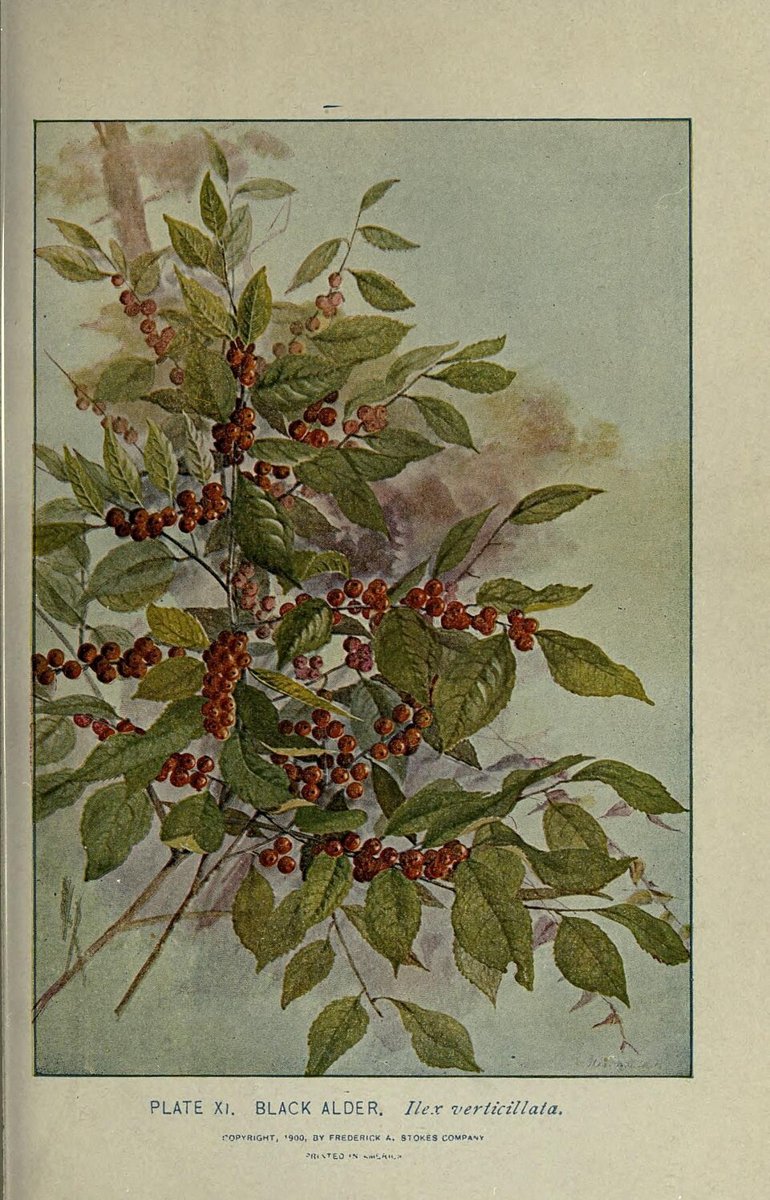 Ilex Verticillata |
Ilex verticillata | similar summary terms |
Ask the RAG about Common Sorrel — get evidence-based answers from WHO monographs and pharmacognosy textbooks.
Or browse the product search to find more products.