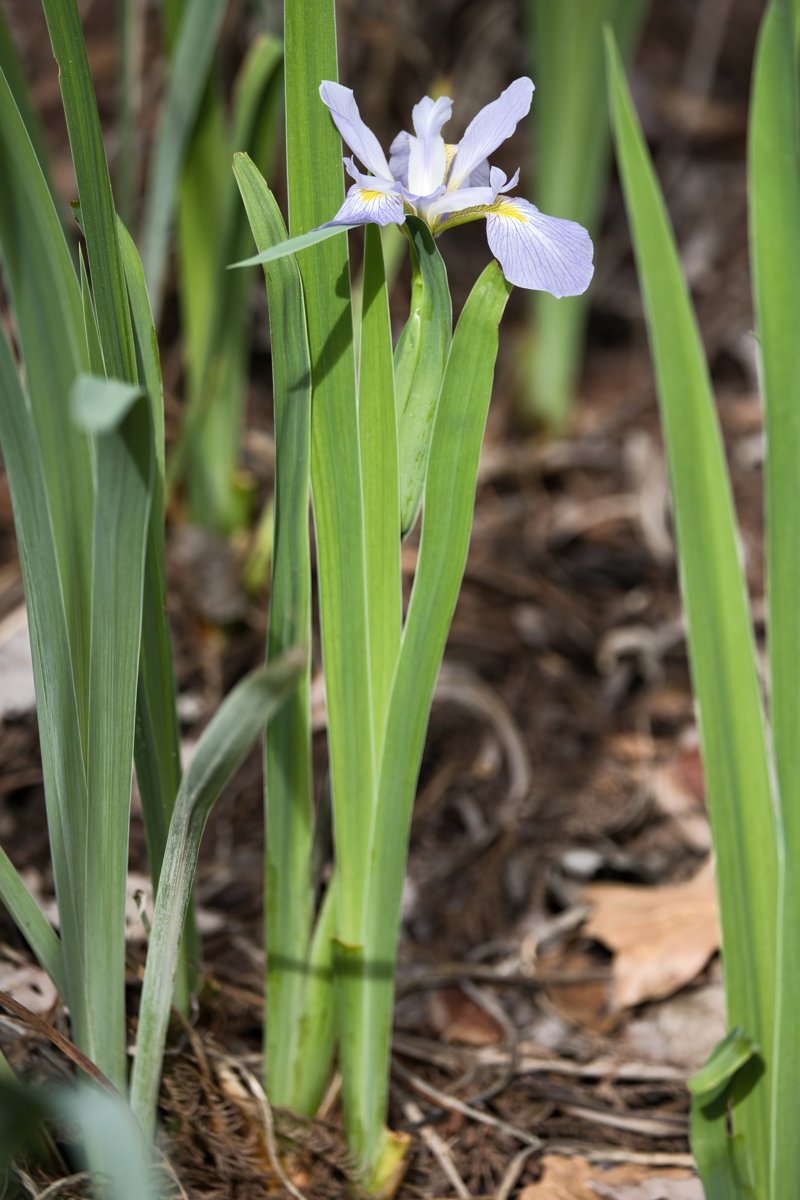
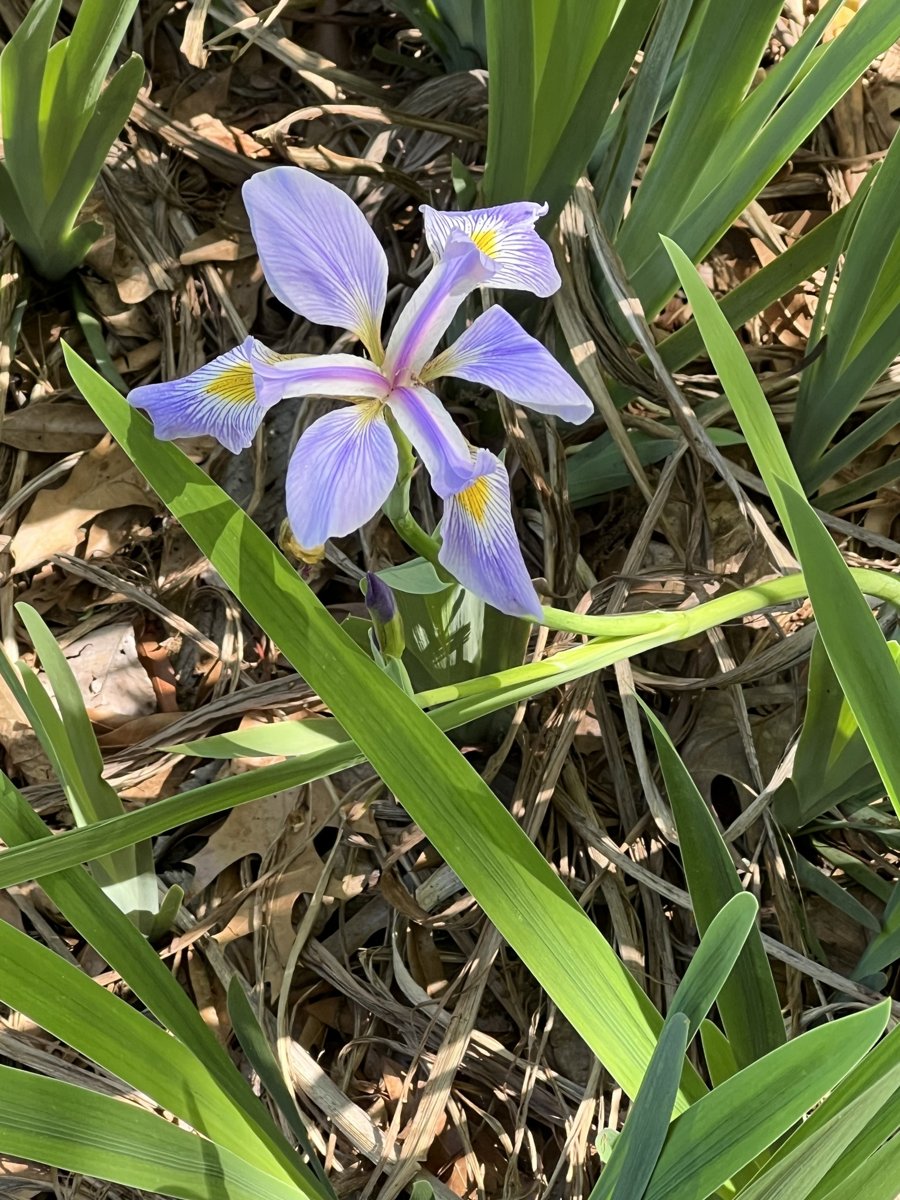
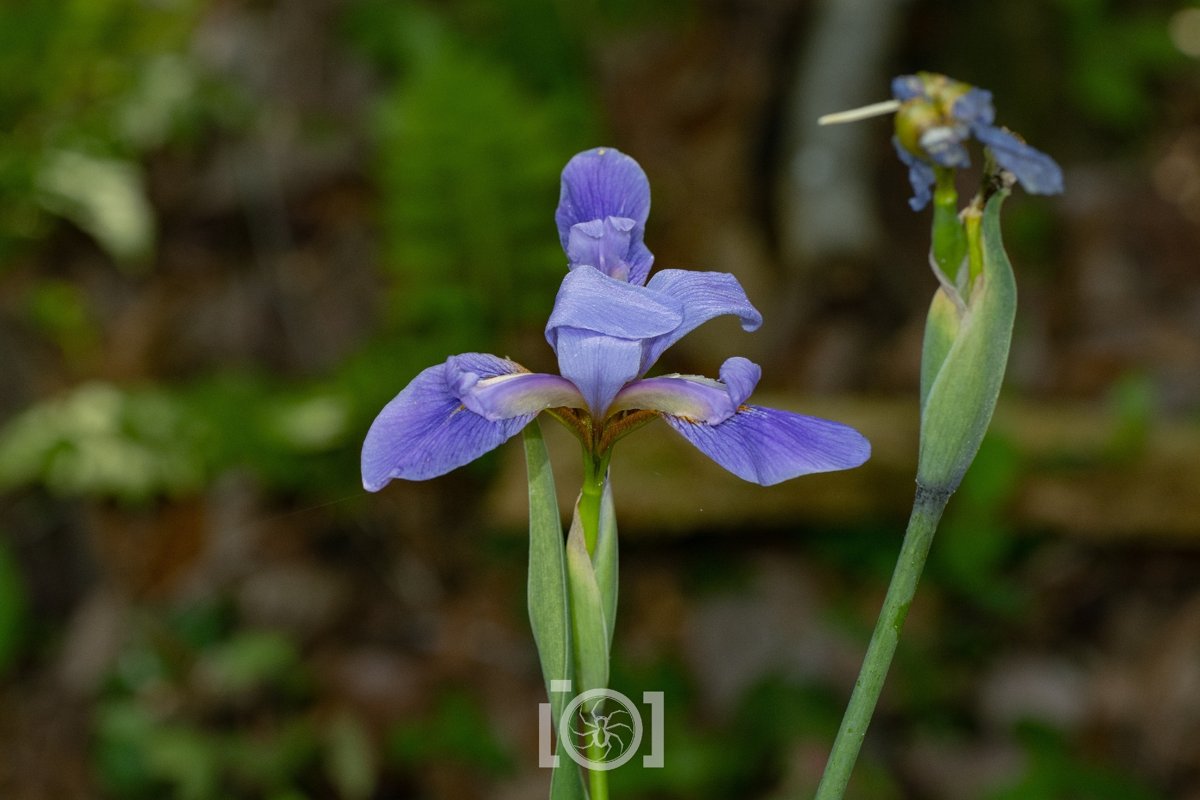
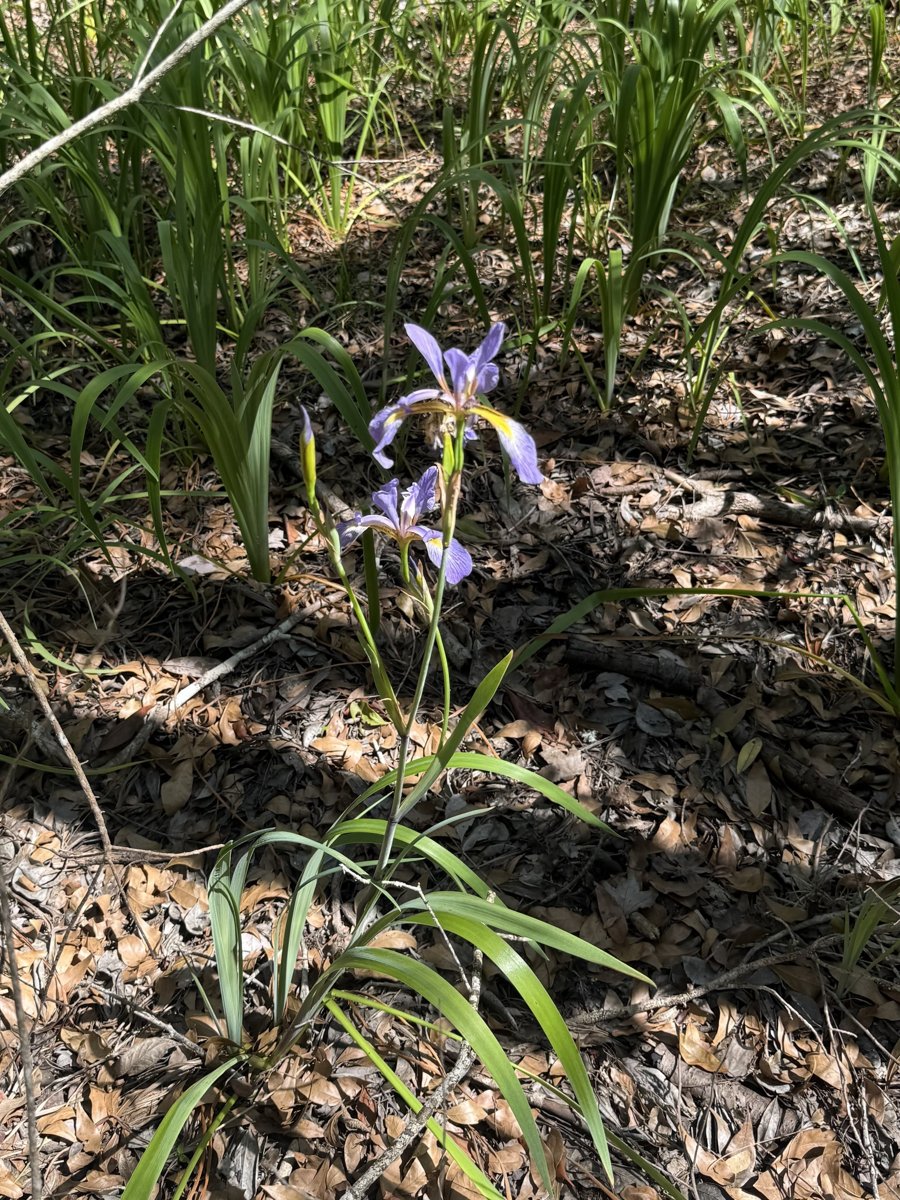
Iris virginica
Virginia Iris (Iris virginica) is a flowering perennial whose rhizomes contain anthraquinone and flavonoid compounds. It is used as an antimicrobial and antioxidant tonic, and laboratory work shows activity against bacteria, fungi and some cancer cell lines, with the added potential for skin‑protective effects when applied topically. Because human data are limited, ingesting the herb is not recommended, and topical use should be limited to dilute preparations; it may cause gastrointestinal upset or interact with other medications, so expectant mothers should avoid it.
Source: PMC: Orris
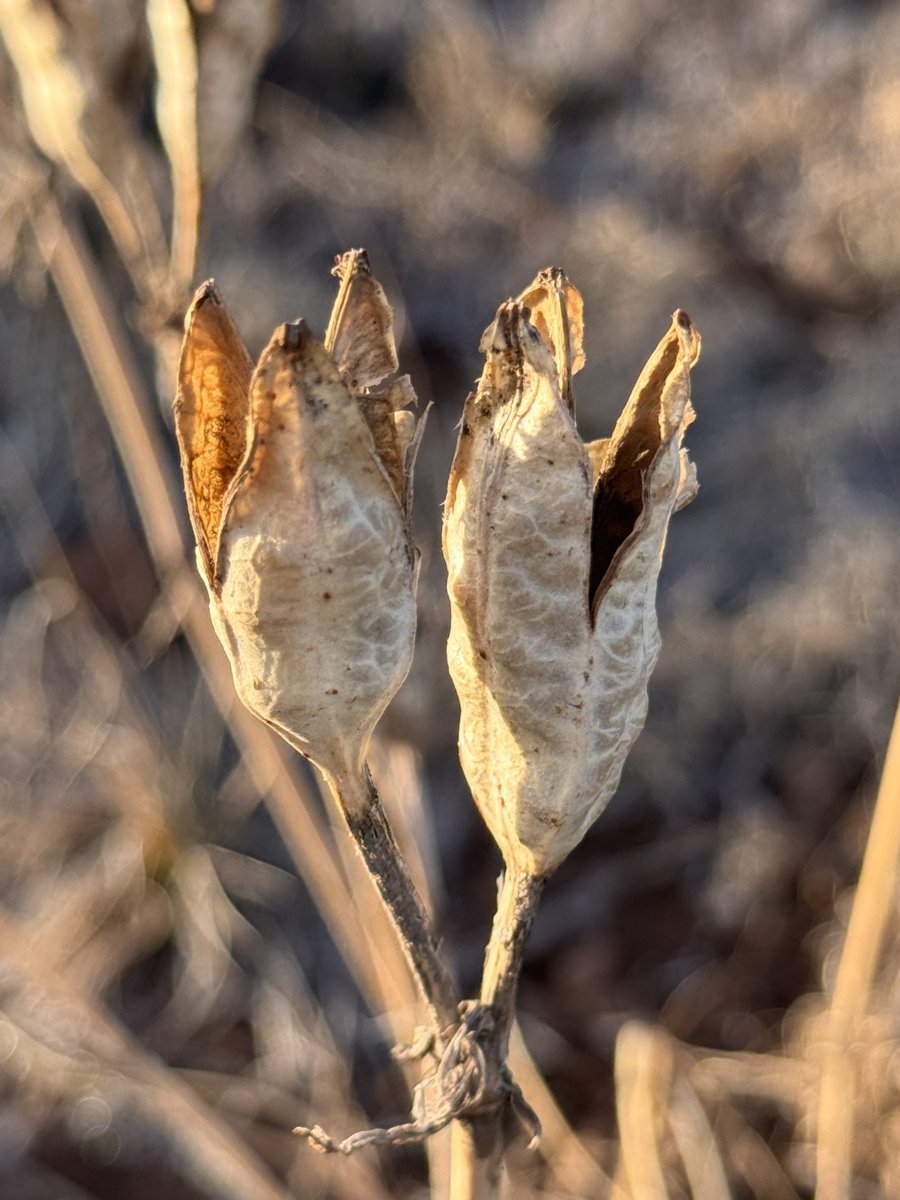
| Scientific Name | Iris virginica |
| Safety Rating | N/A |
| Evidence Level | N/A |
50 products from NIH DSLD database (verified label data)
| Herb | Scientific Name | Why related |
|---|---|---|
Iris Missouriensis |
Iris missouriensis | shares 103 product(s) |
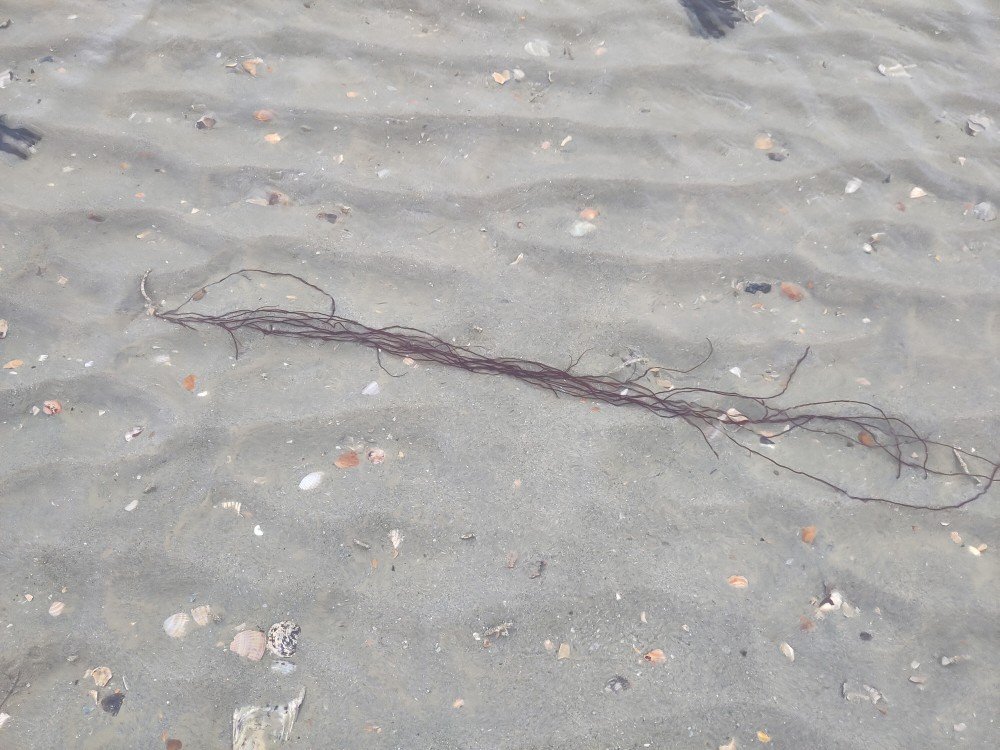
Gracilaria |
Gracilaria verrucosa | shares 98 product(s) |
Burdock |
Arctium lappa | shares 46 product(s) |
Yellow Dock |
Rumex crispus | shares 46 product(s) |
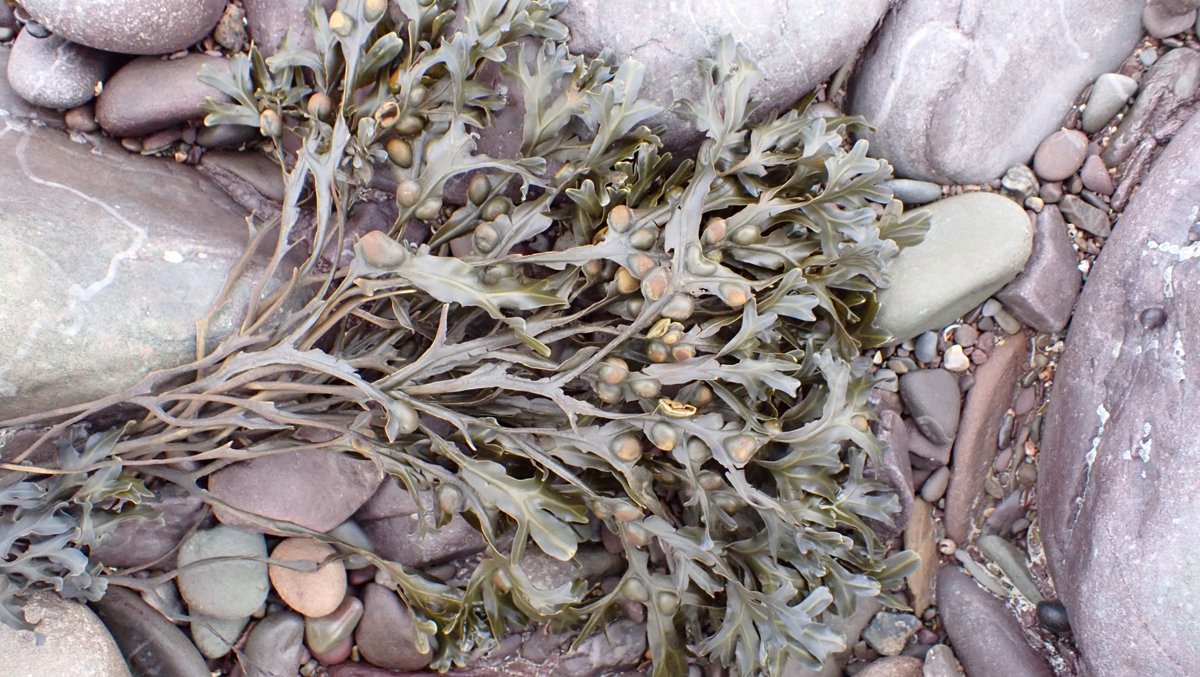
Bladderwrack |
Fucus vesiculosus | shares 34 product(s) |
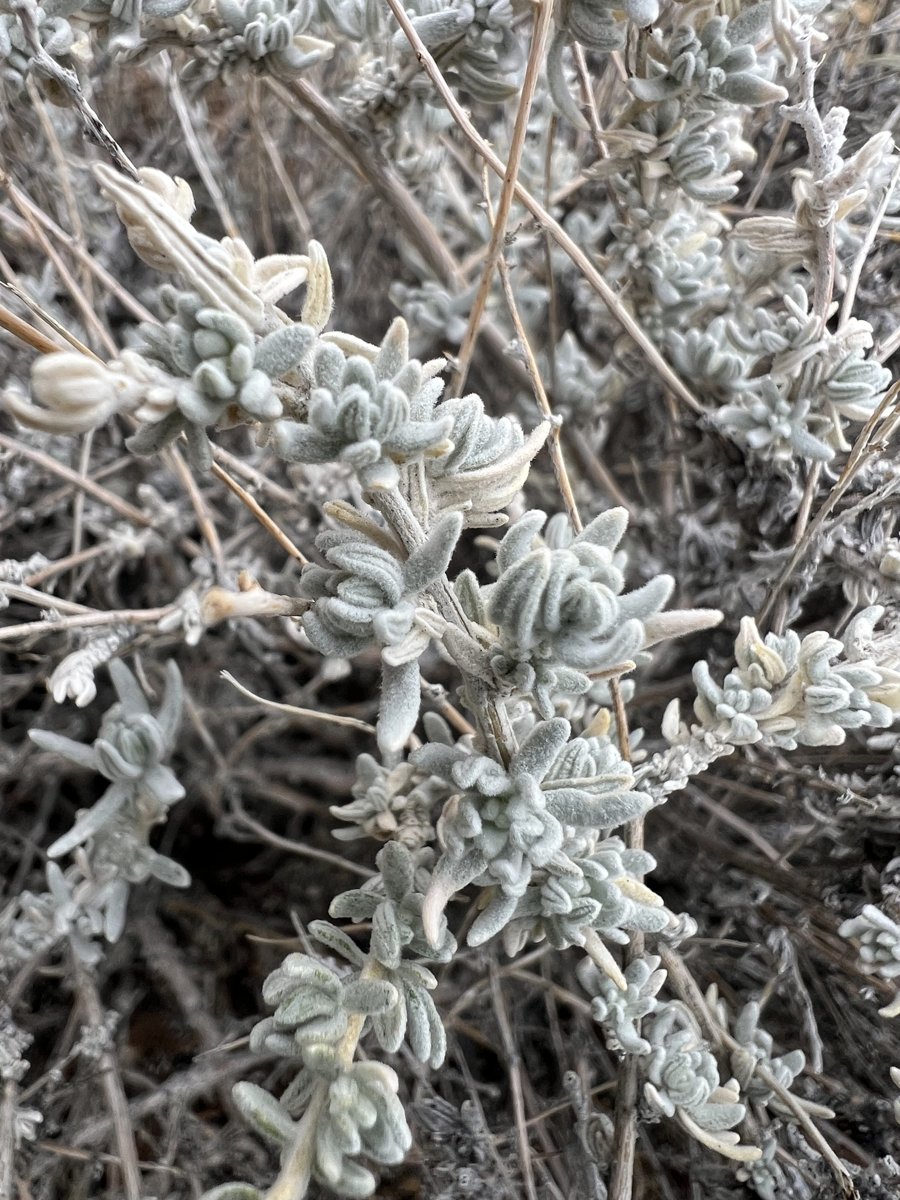
Krascheninnikovia Lanata |
Krascheninnikovia lanata | similar summary terms |
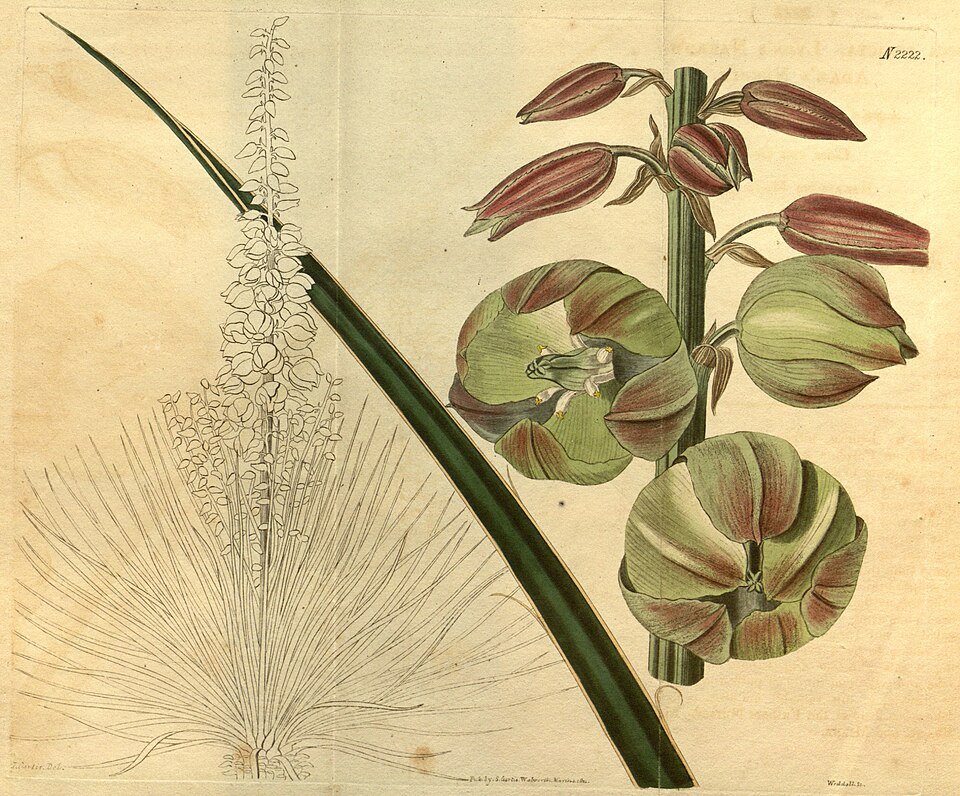
Yucca Glauca |
Yucca glauca | similar summary terms |
White Snakeroot |
Ageratina altissima | similar summary terms |
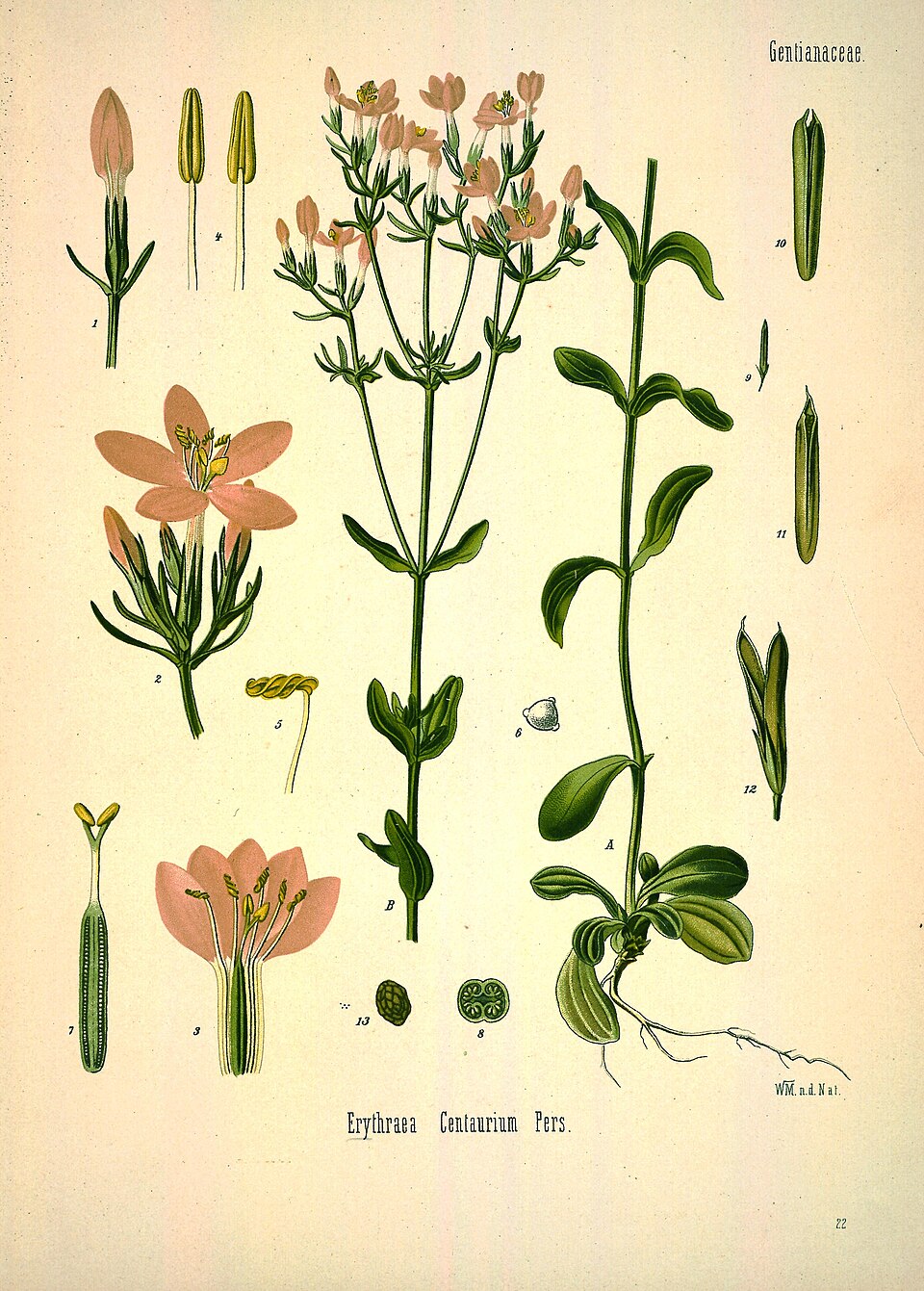
Centaury |
Centaurium erythraea | similar summary terms |
Ask the RAG about Virginia Iris — get evidence-based answers from WHO monographs and pharmacognosy textbooks.
Or browse the product search to find more products.