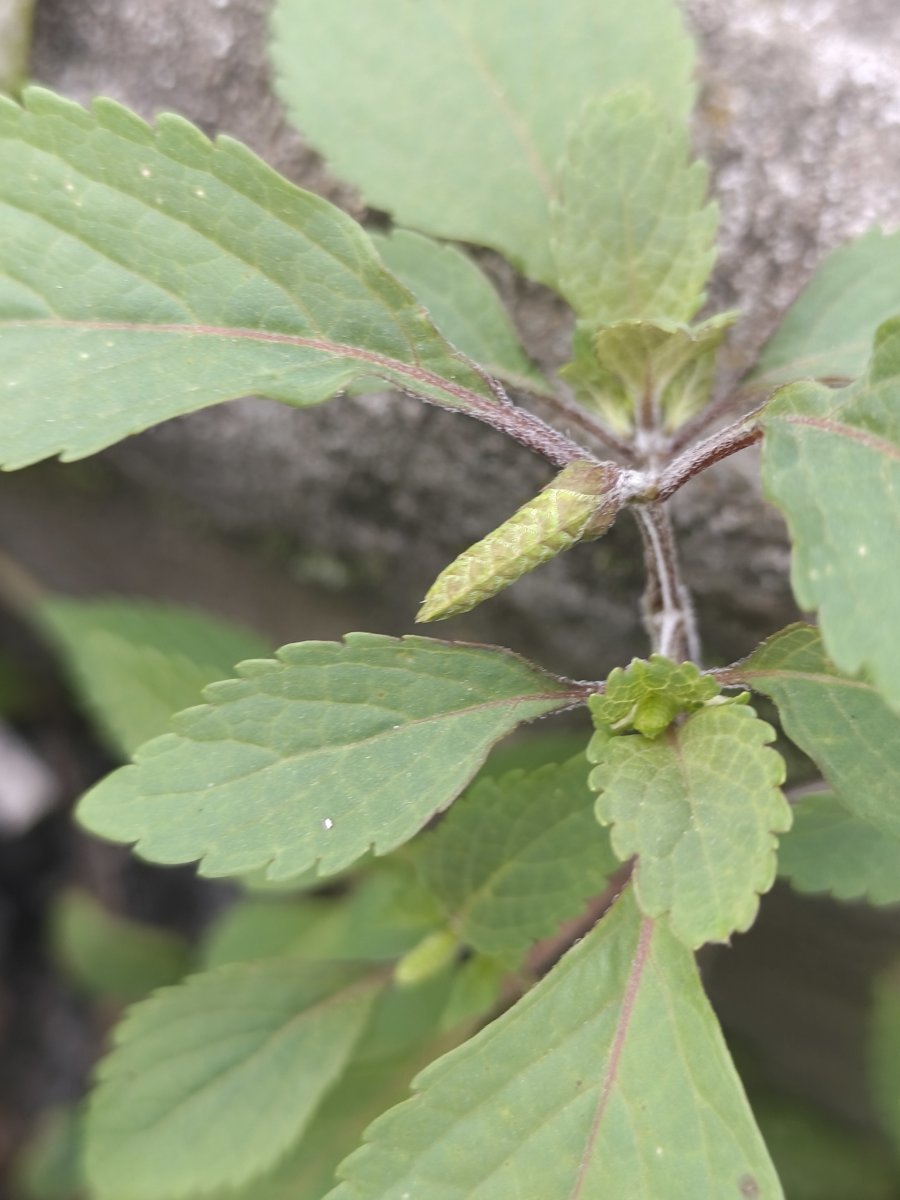
Vietnamese Balm
Elsholtzia ciliata
| Scientific Name | Elsholtzia ciliata |
| Safety Rating | N/A |
| Evidence Level | N/A |
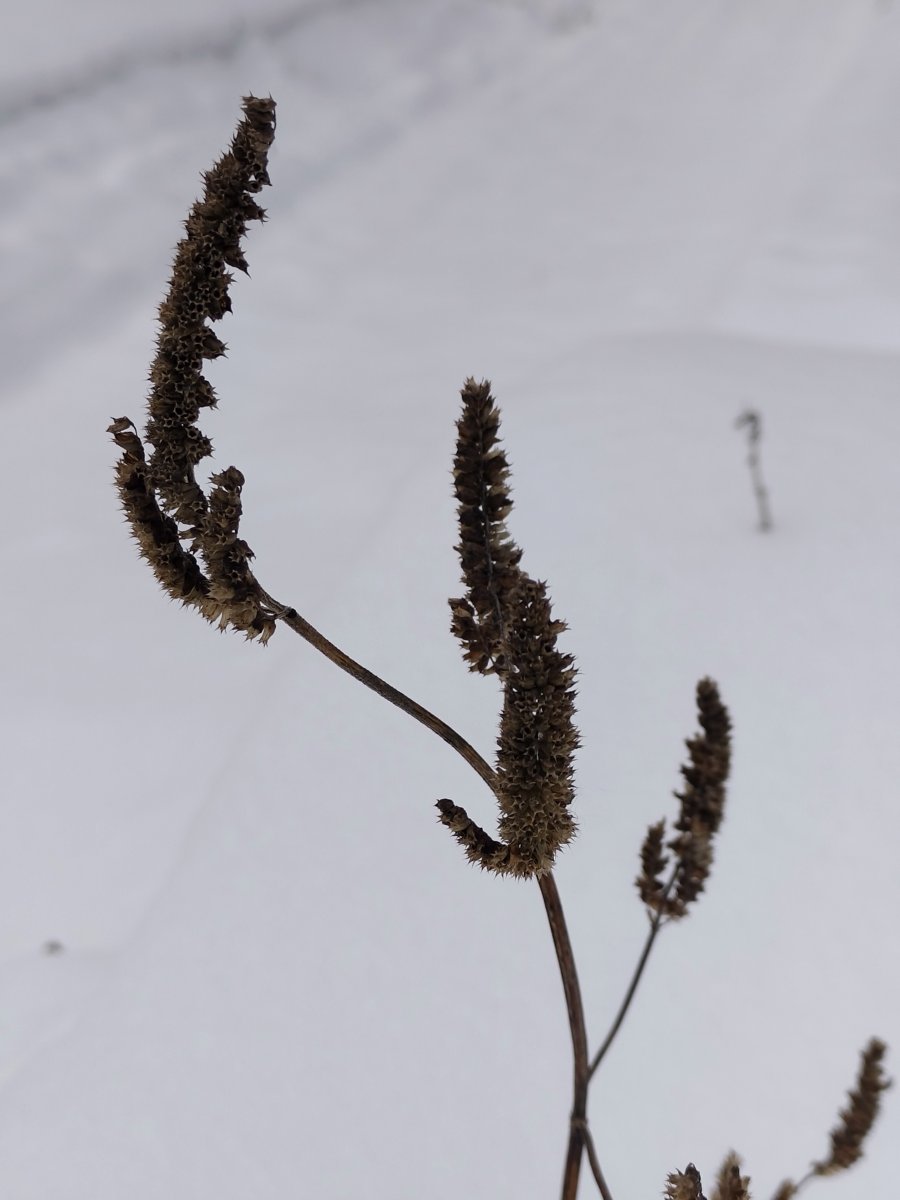
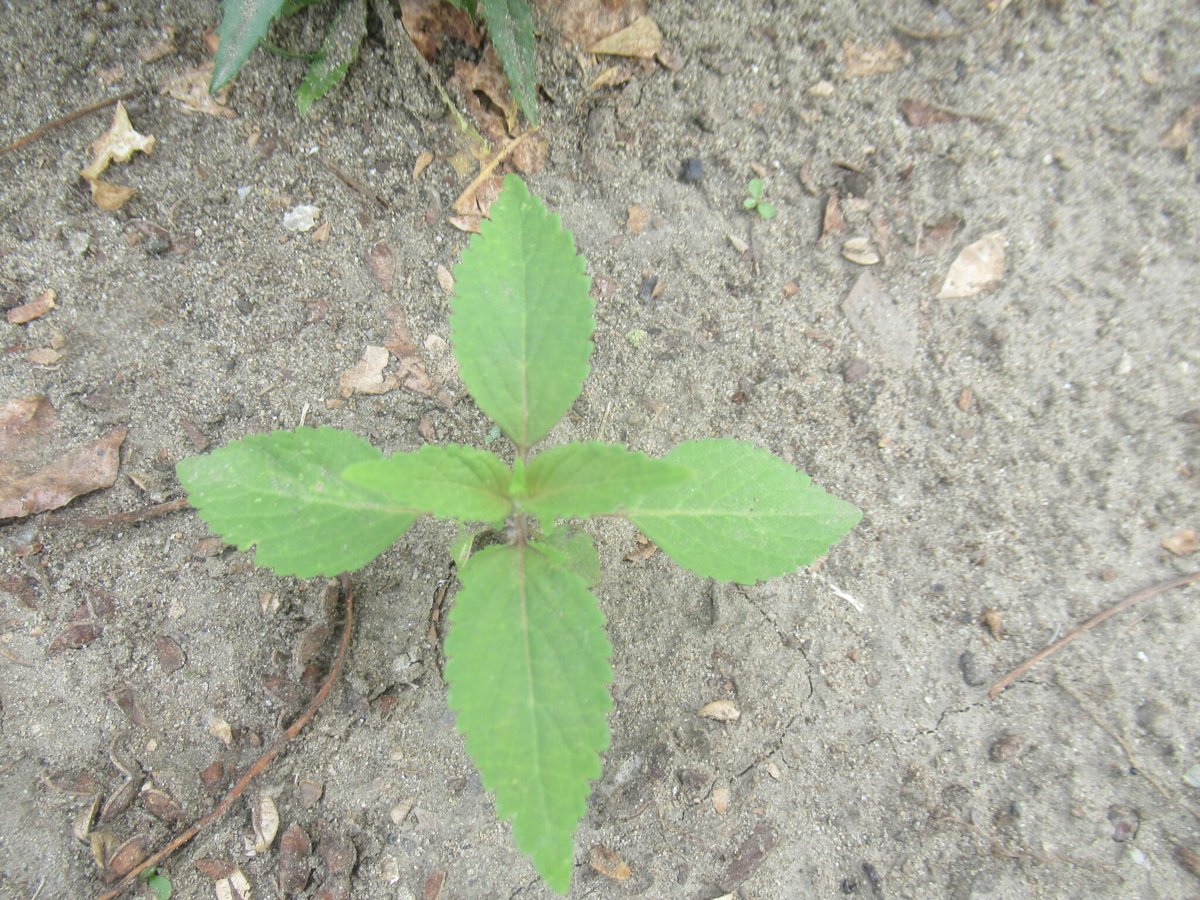
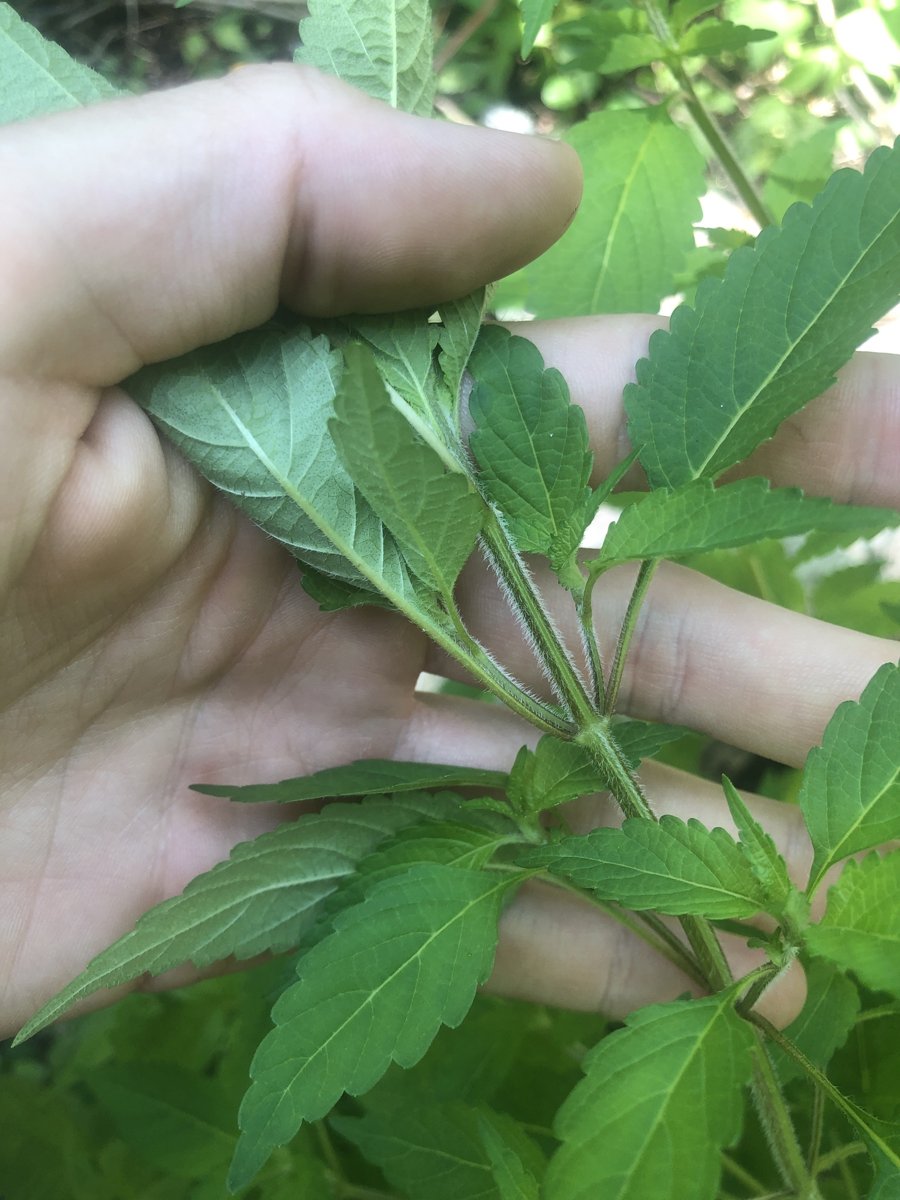
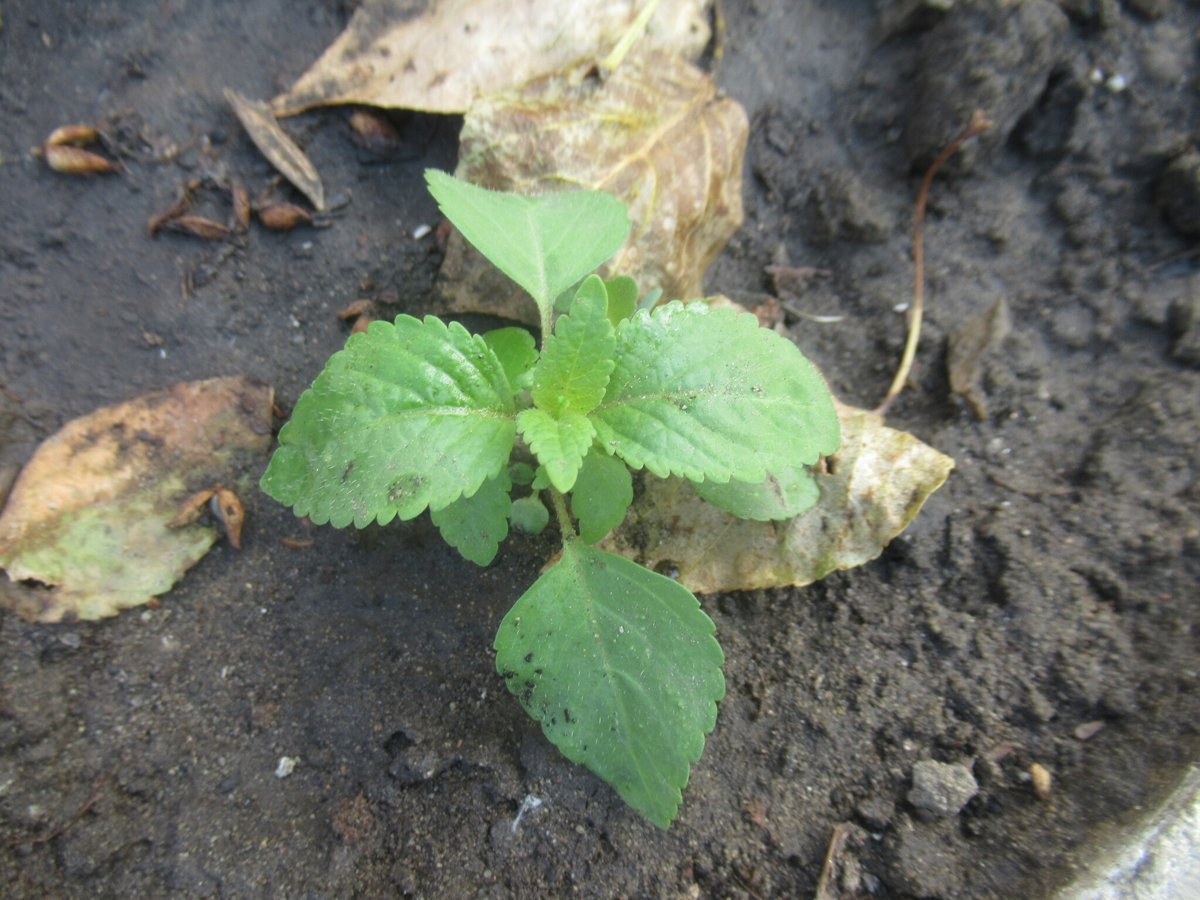
Vietnamese balm (Elsholtzia ciliata) is a herbaceous plant in the mint family whose leaves and essential oil are used. It is applied topically to reduce the size and speed up healing of viral skin lesions, such as cold sores, and also offers anti‑inflammatory and antibacterial benefits. The herb is generally safe when used up to five times daily or taken orally, though sensitive users may experience mild irritation or allergic reactions; it should be avoided in pregnancy or kept out of reach of children.
Source: PMC: Melissa Officinalis, NCBI Bookshelf: Herbal Medicine
50 products from NIH DSLD database (verified label data)
| Herb | Scientific Name | Why related |
|---|---|---|
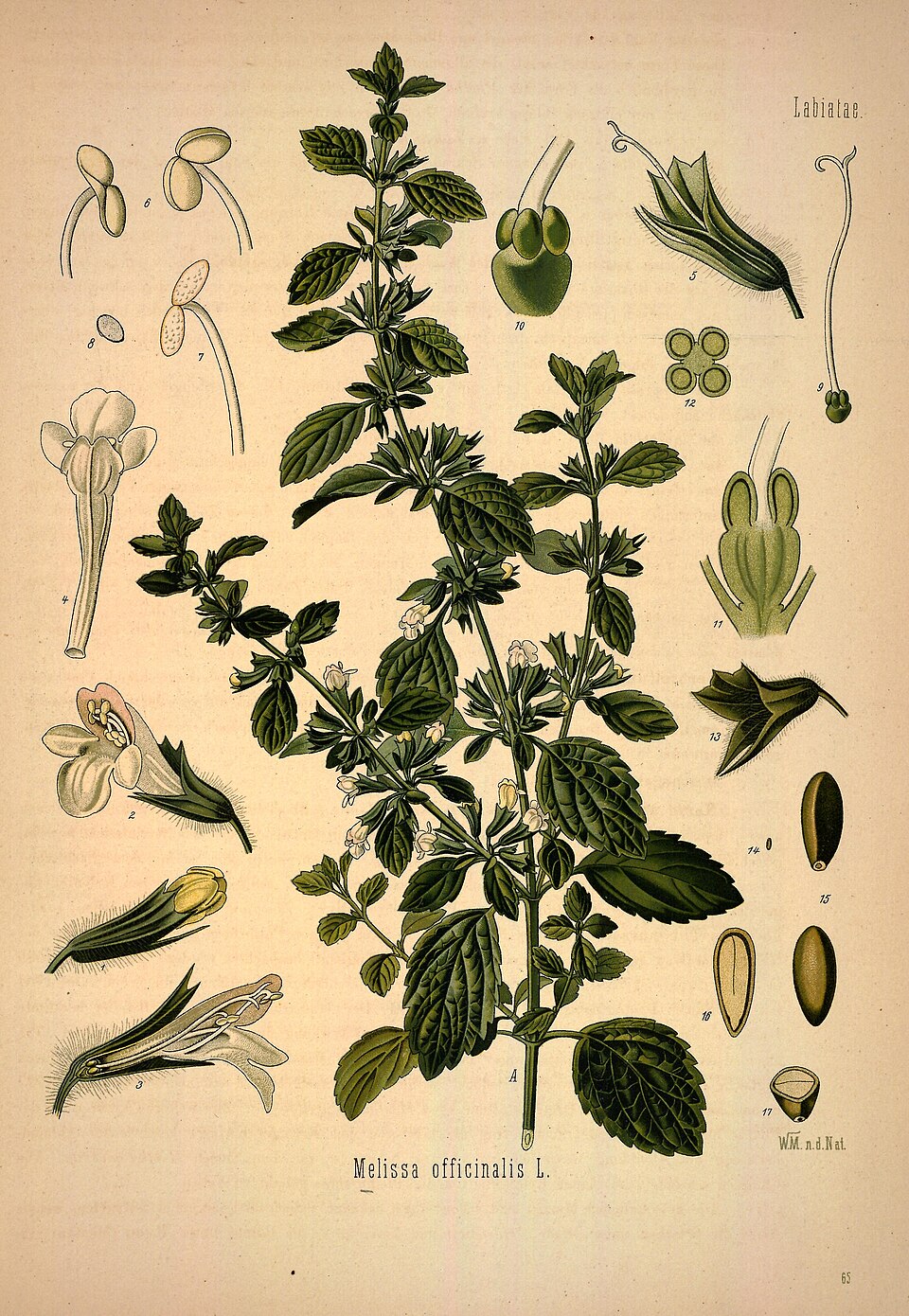 Lemon Balm |
Melissa officinalis | shares 904 product(s) |
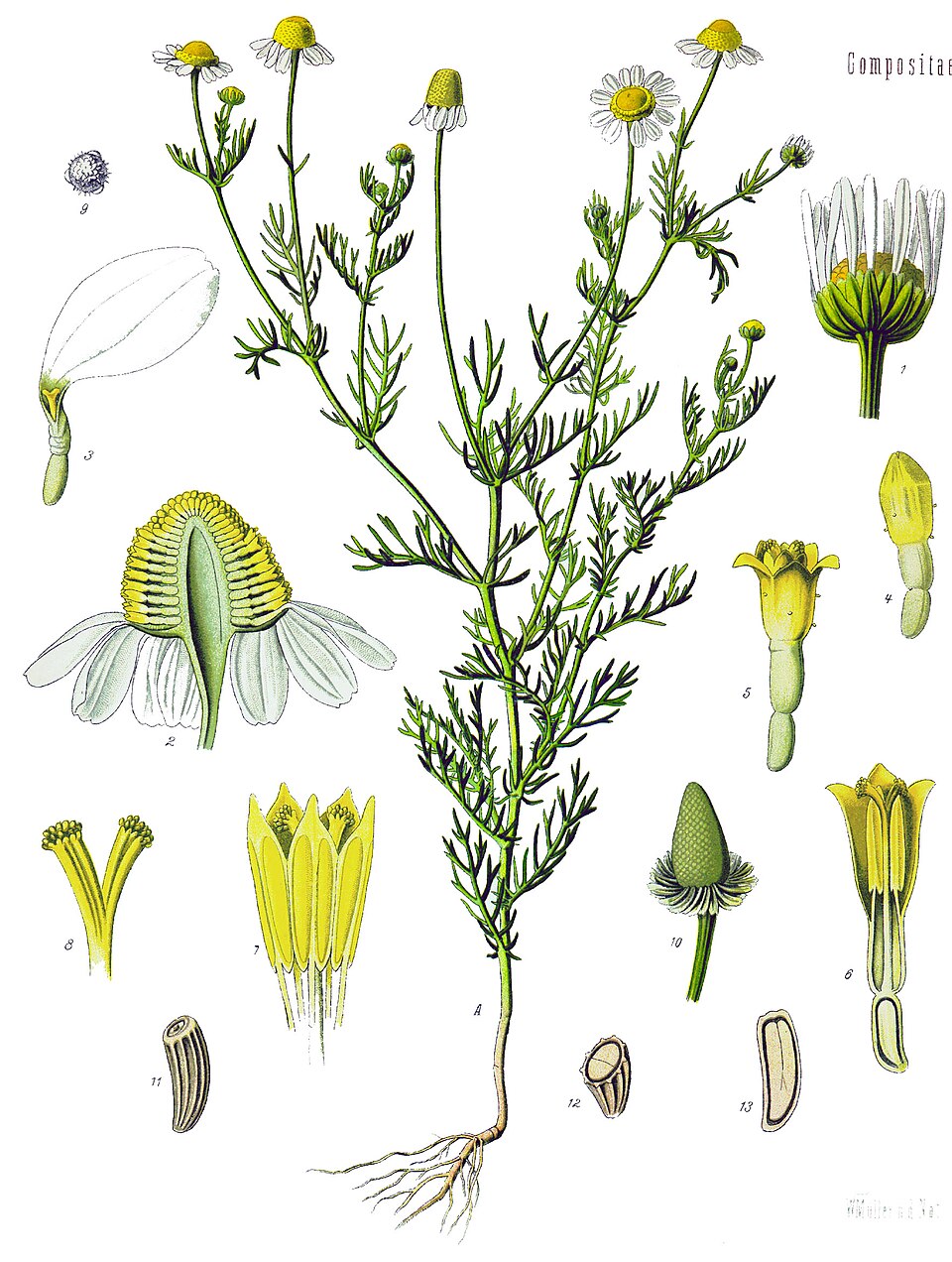 Chamomile Flower |
Matricaria chamomilla | shares 249 product(s) |
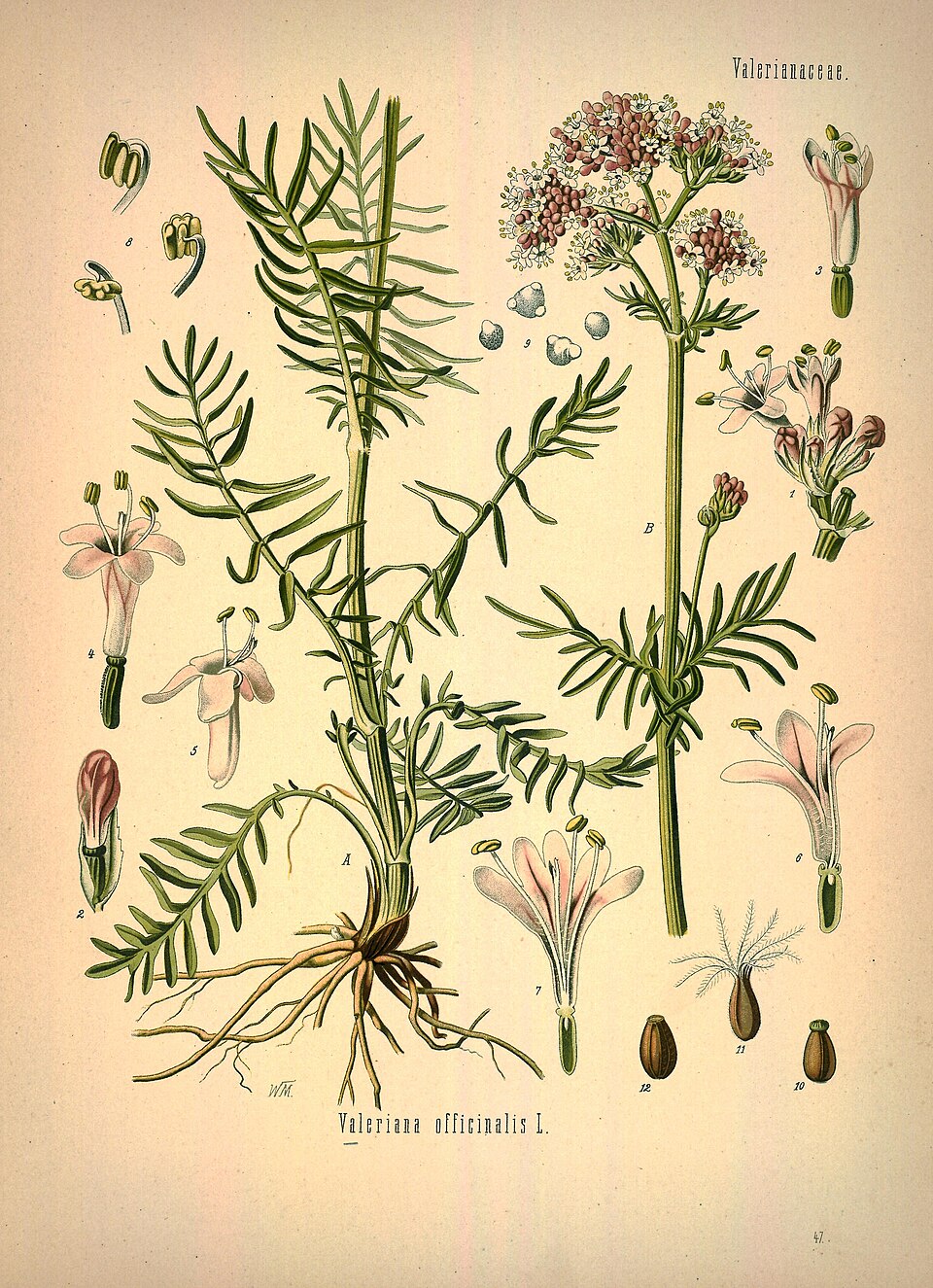 Valerian |
Valeriana officinalis | shares 218 product(s) |
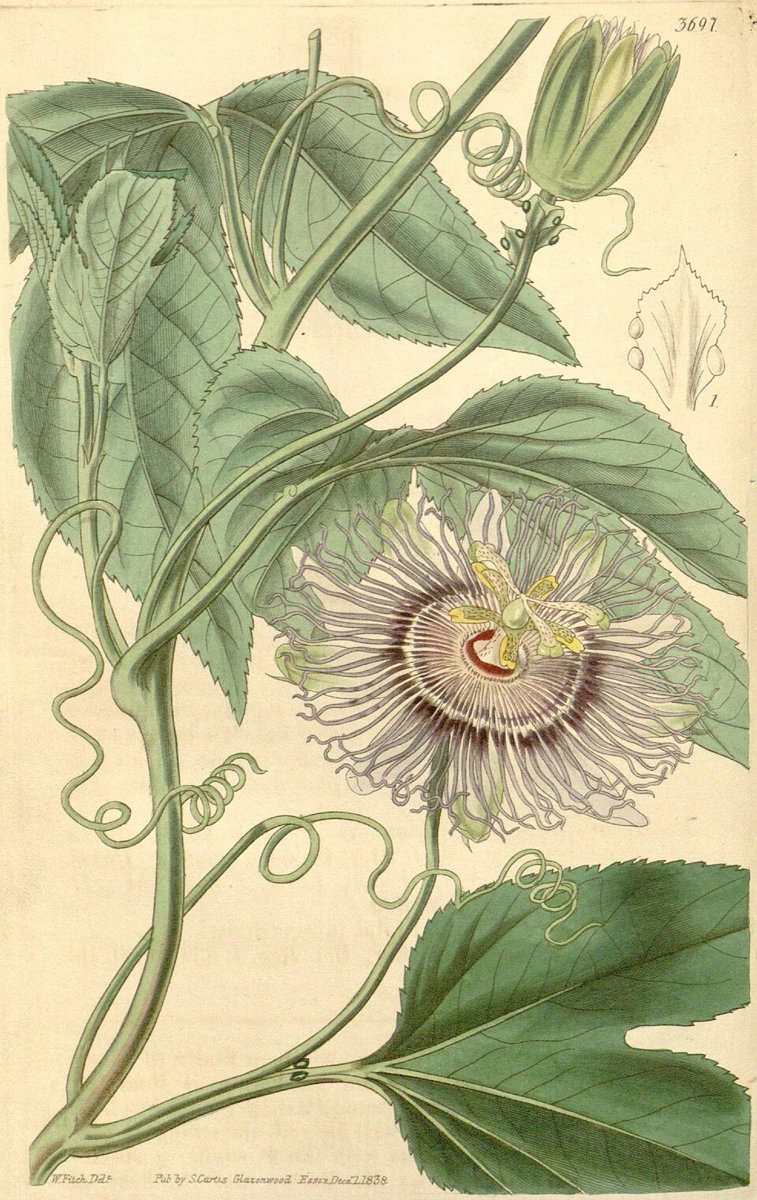 Passionflower |
Passiflora incarnata | shares 198 product(s) |
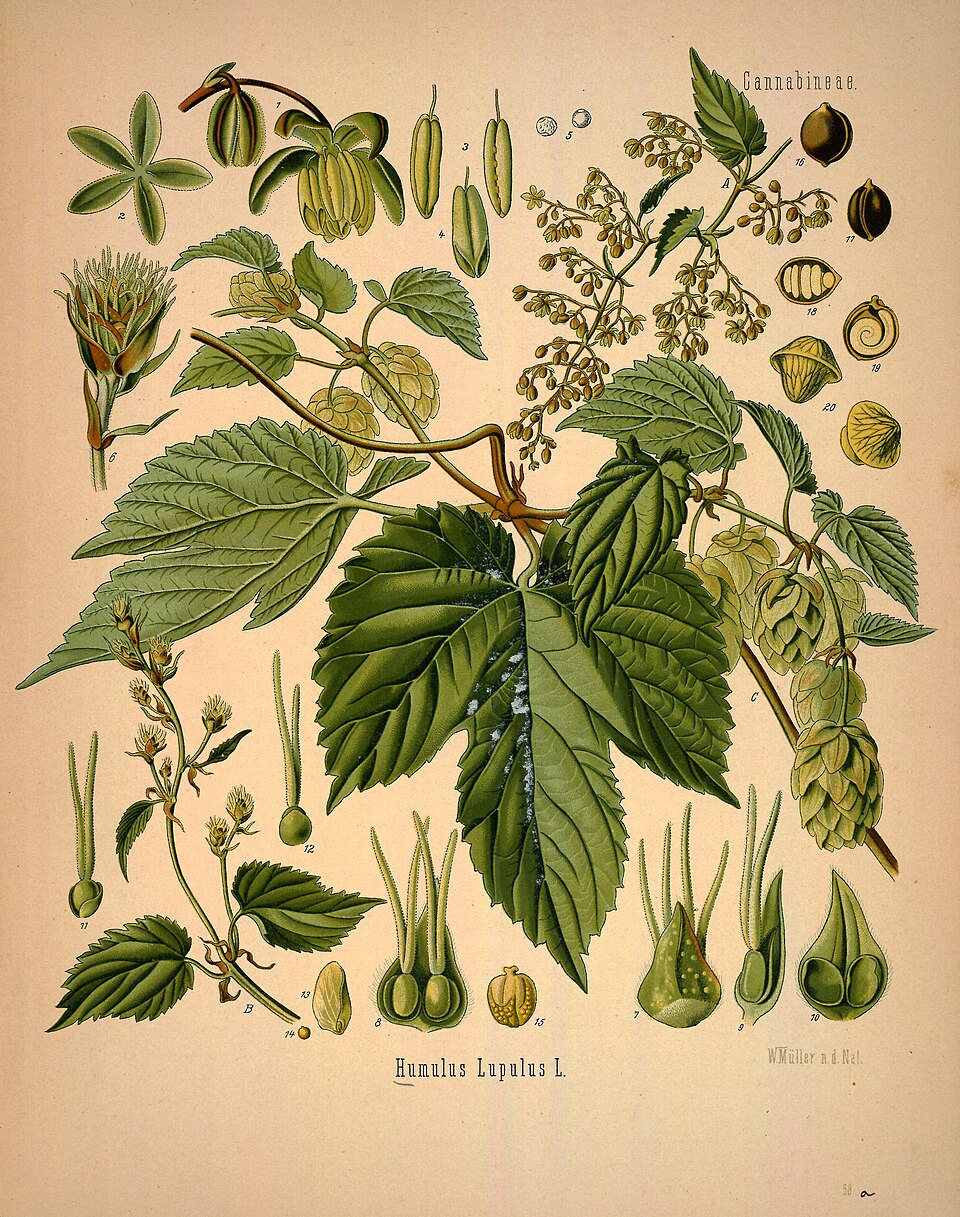 Hops |
Humulus lupulus | shares 156 product(s) |
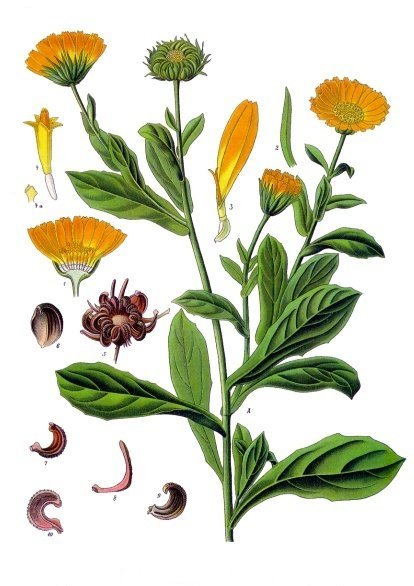 Calendula |
Calendula officinalis | similar summary terms |
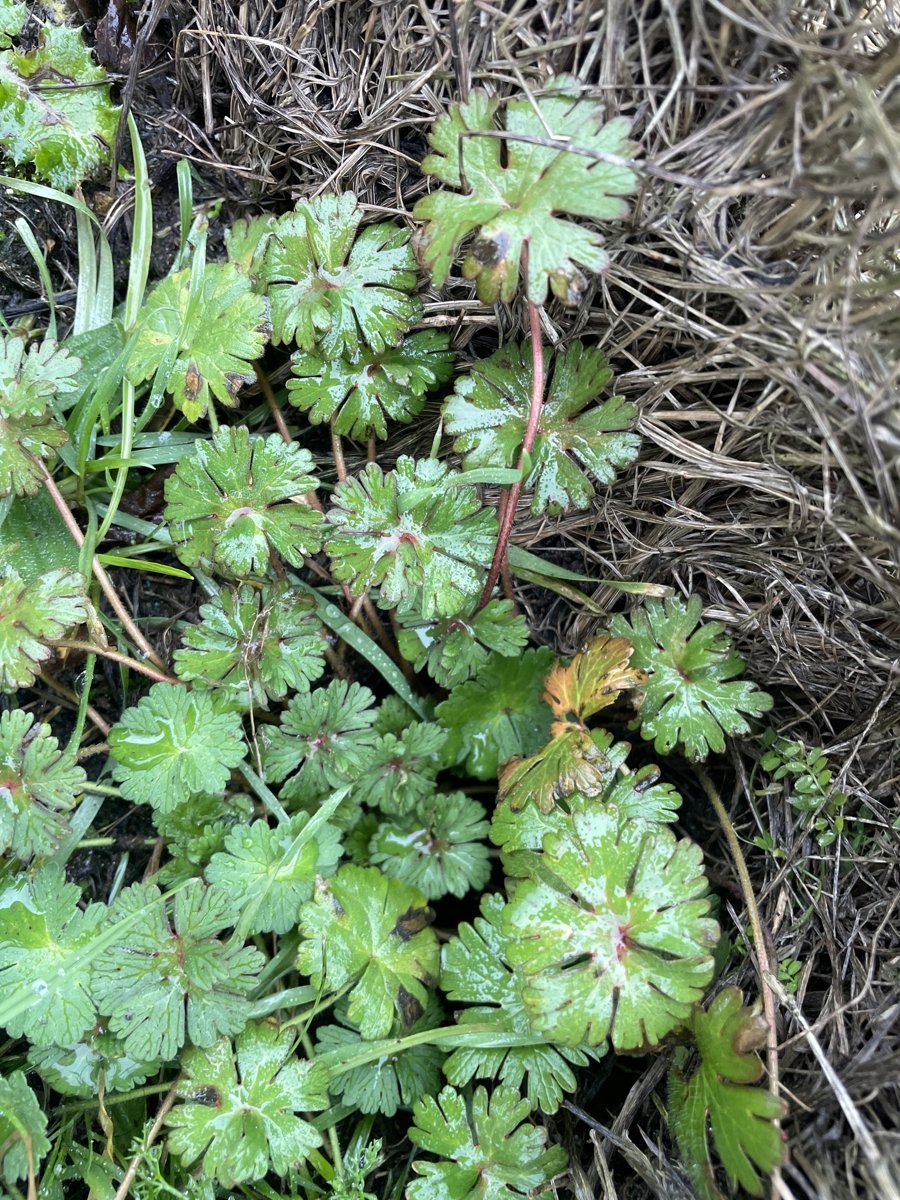 Cranesbill |
Geranium dissectum | similar summary terms |
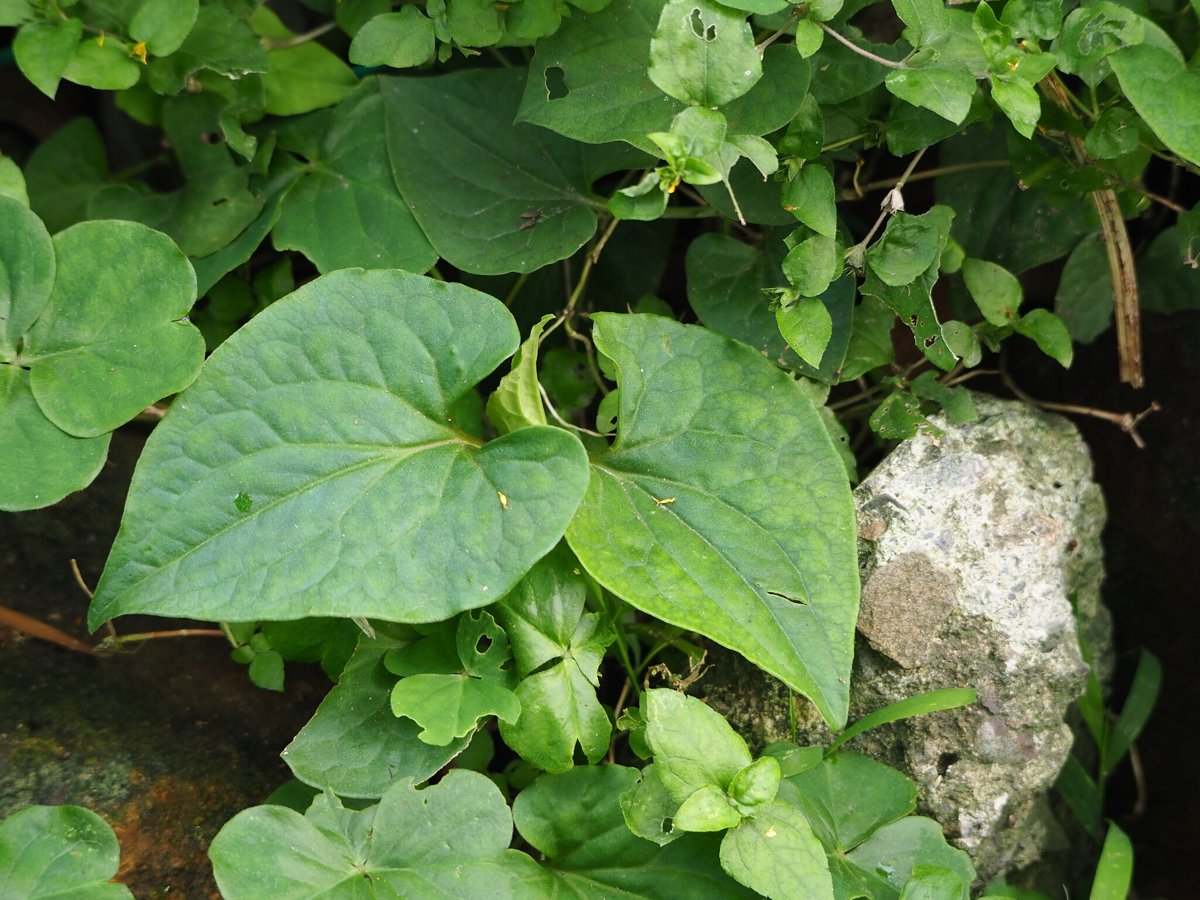 Fish Mint |
Houttuynia cordata | similar summary terms |
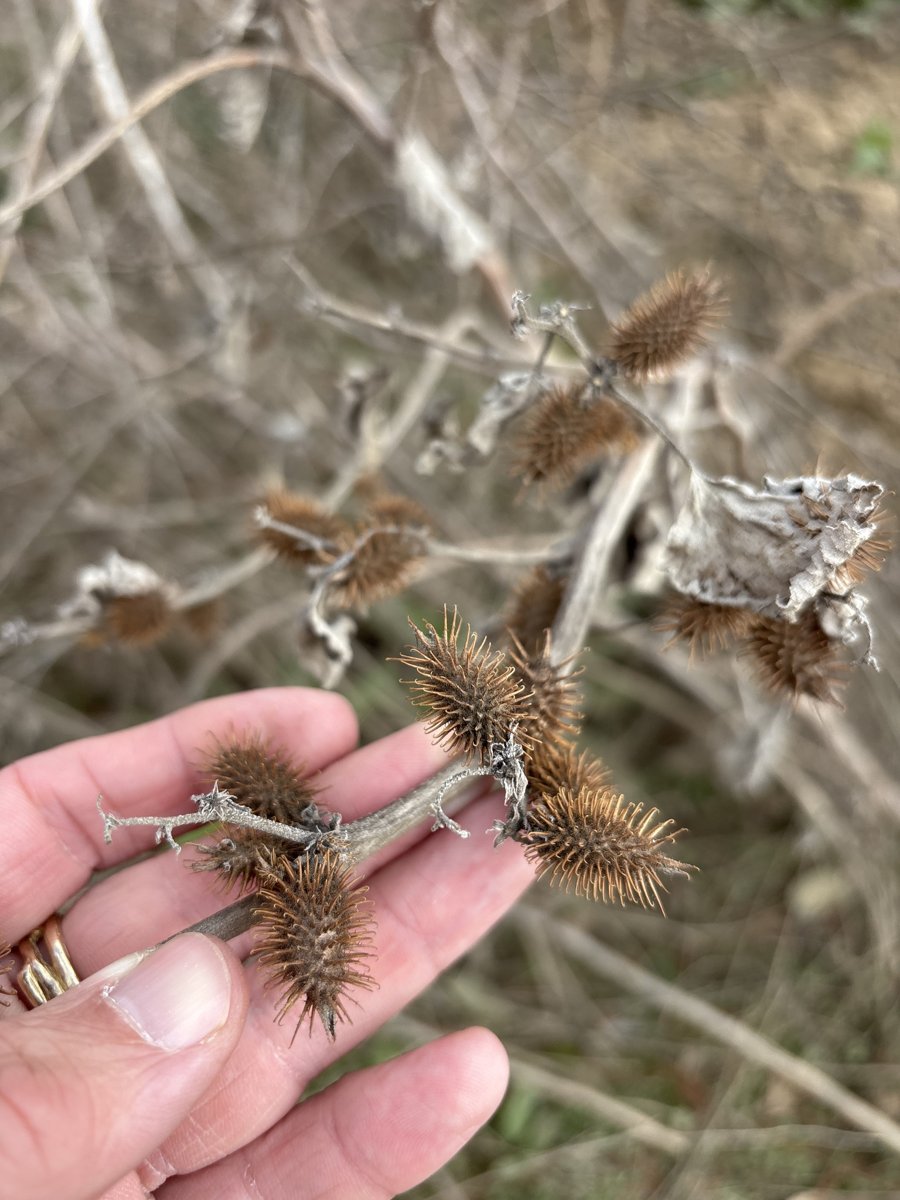 Xanthium |
Xanthium strumarium | similar summary terms |
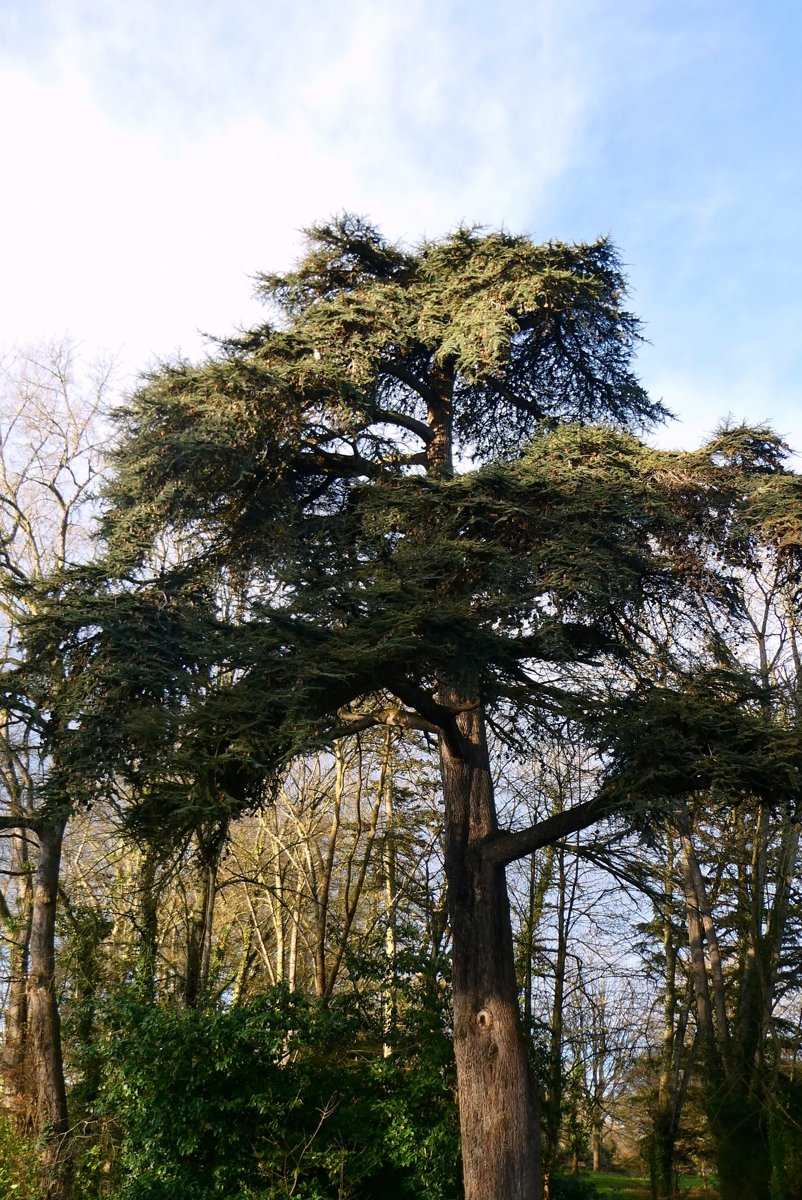 Cedar Lebanon |
Cedrus libani | similar summary terms |
Ask the RAG about Vietnamese Balm — get evidence-based answers from WHO monographs and pharmacognosy textbooks.
Or browse the product search to find more products.