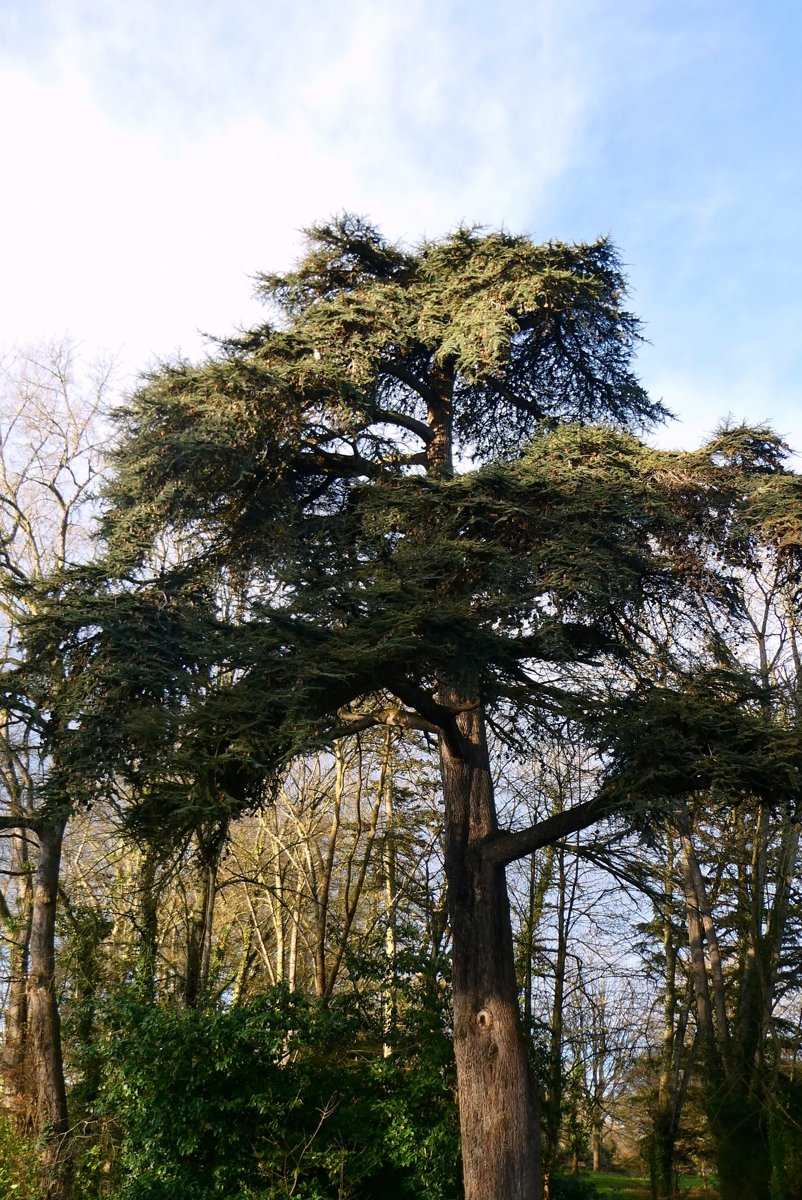
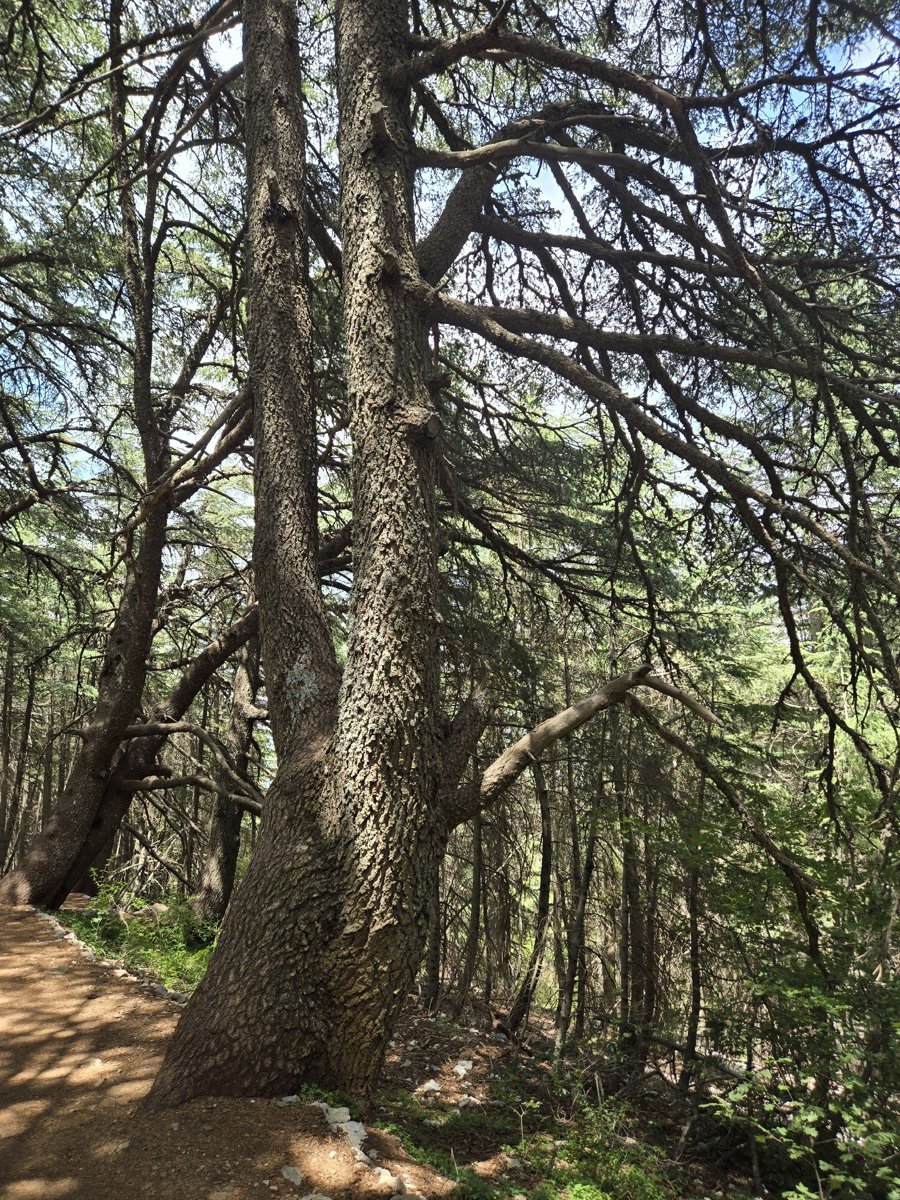


Cedar Lebanon
Cedrus libani
| Scientific Name | Cedrus libani |
| Safety Rating | N/A |
| Evidence Level | N/A |
Cedar Lebanon (Cedrus libani) is a large coniferous tree whose timber, bark, and essential oil are used in herbal preparations. It is traditionally applied to relieve coughs, bronchitis, and general respiratory irritation and is also used for its mild anti‑inflammatory and pain‑relieving properties. The essential oil and bark can cause skin irritation or allergic reactions in sensitive individuals, and use is generally discouraged in pregnant or nursing women.
Source: IntechOpen: Pharmacognosy - Medicinal Plants, PMC: Terminalia Chebula, Trease & Evans Pharmacognosy 16th ed
35 products from NIH DSLD database (verified label data)
| Herb | Scientific Name | Why related |
|---|---|---|
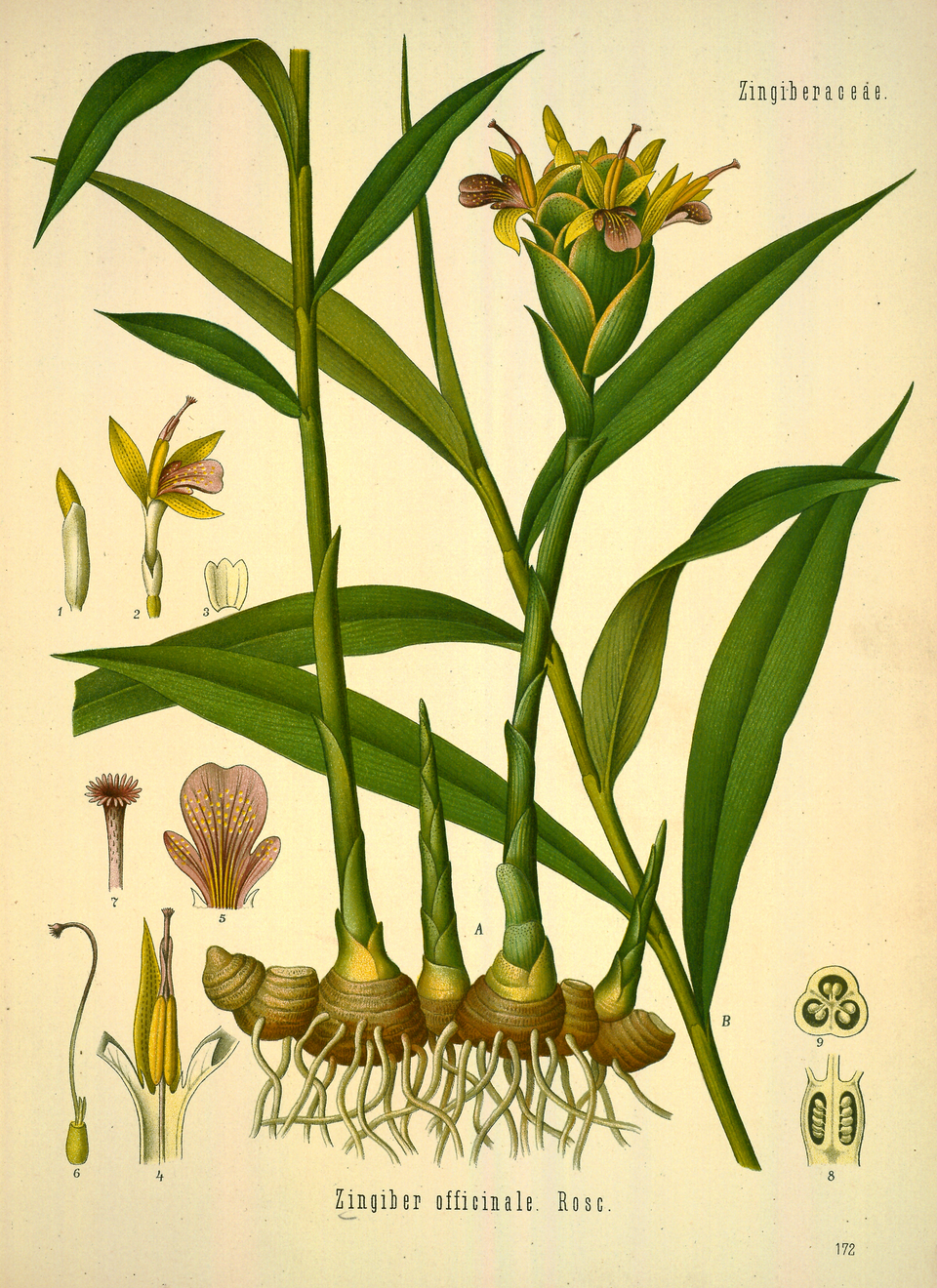 Ginger Root |
Zingiber officinale | shares 8 product(s) |
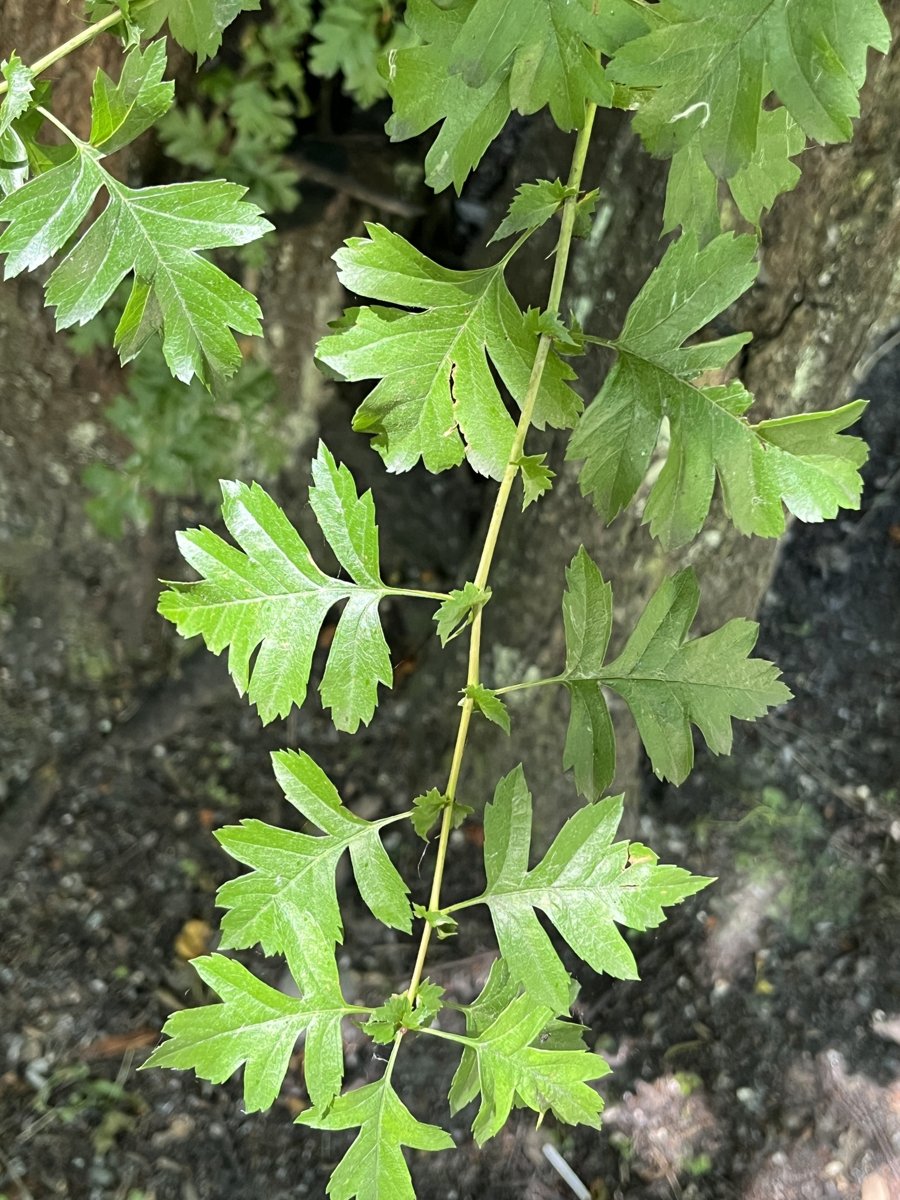 Hawthorn |
Crataegus monogyna | shares 8 product(s) |
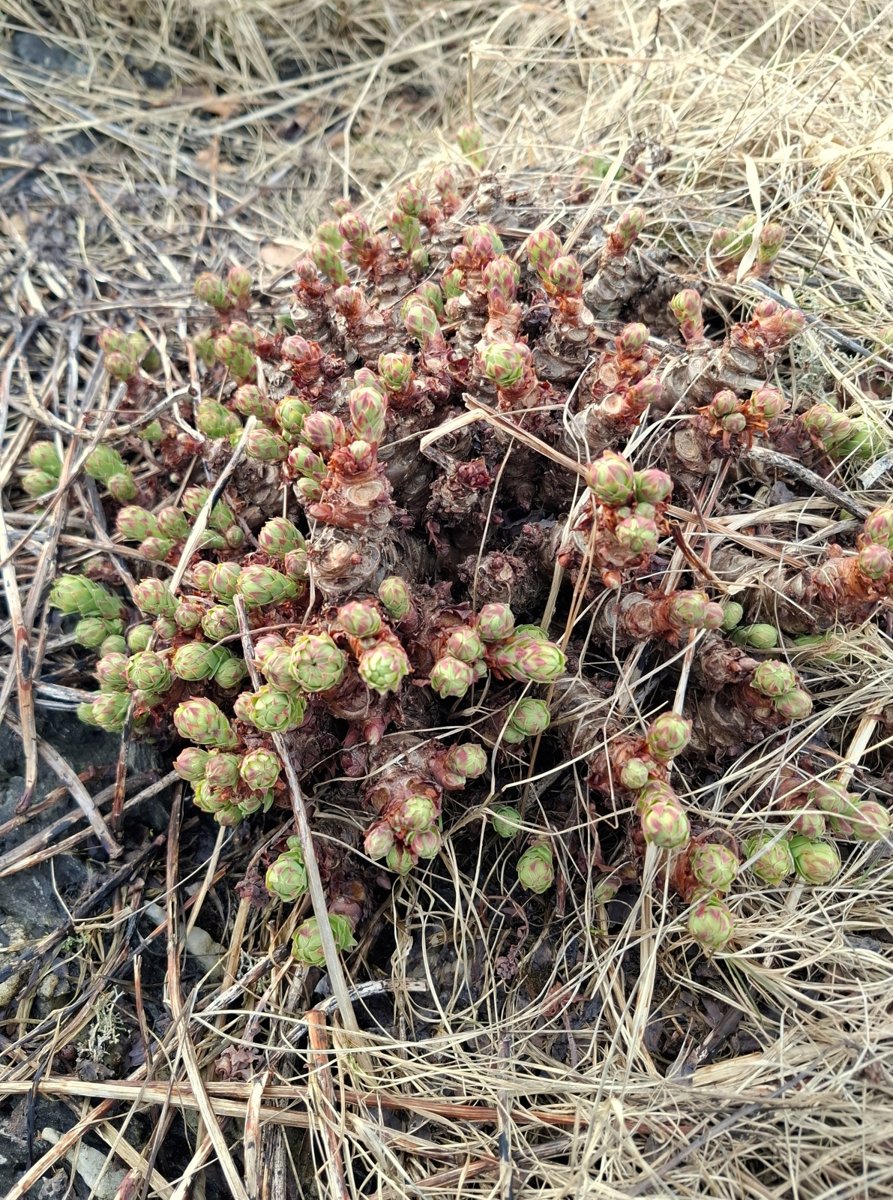 Rhodiola |
Rhodiola rosea | shares 8 product(s) |
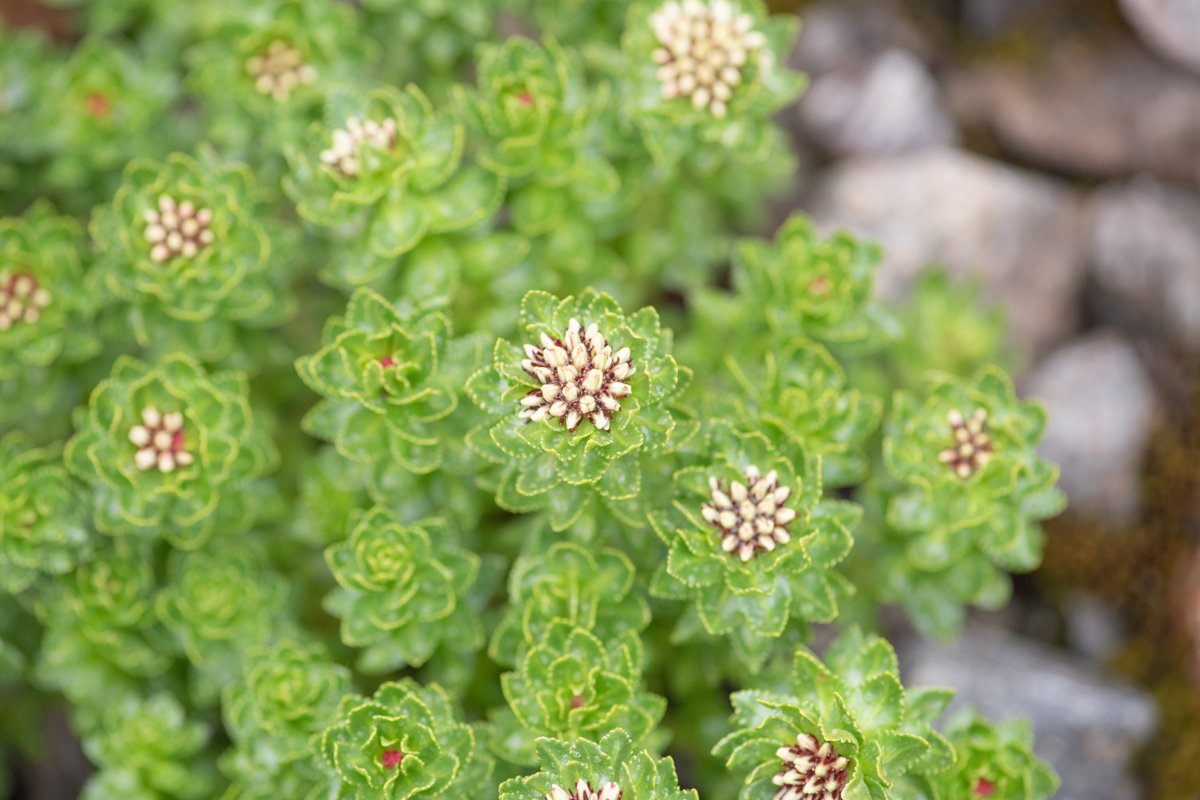 Rhodiola crenulata |
 shares 8 product(s) |
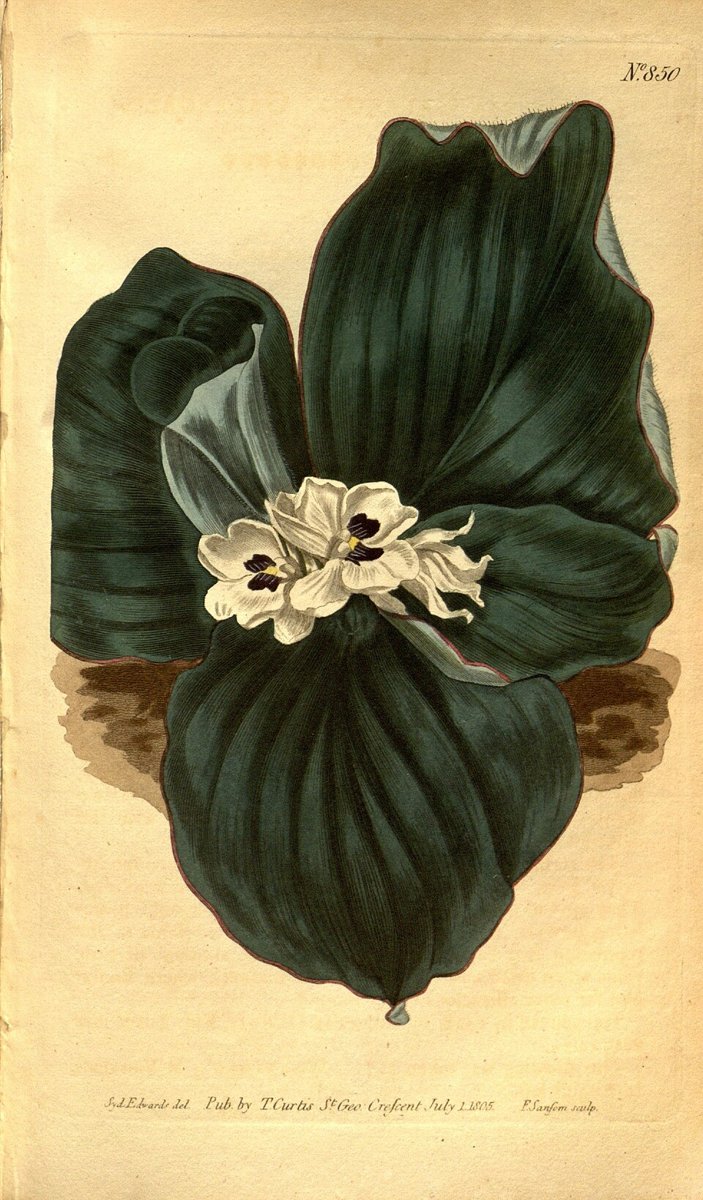 Sand Ginger |
Kaempferia galanga | shares 8 product(s) |
 Balsamorhiza Sagittata |
Balsamorhiza sagittata | similar summary terms |
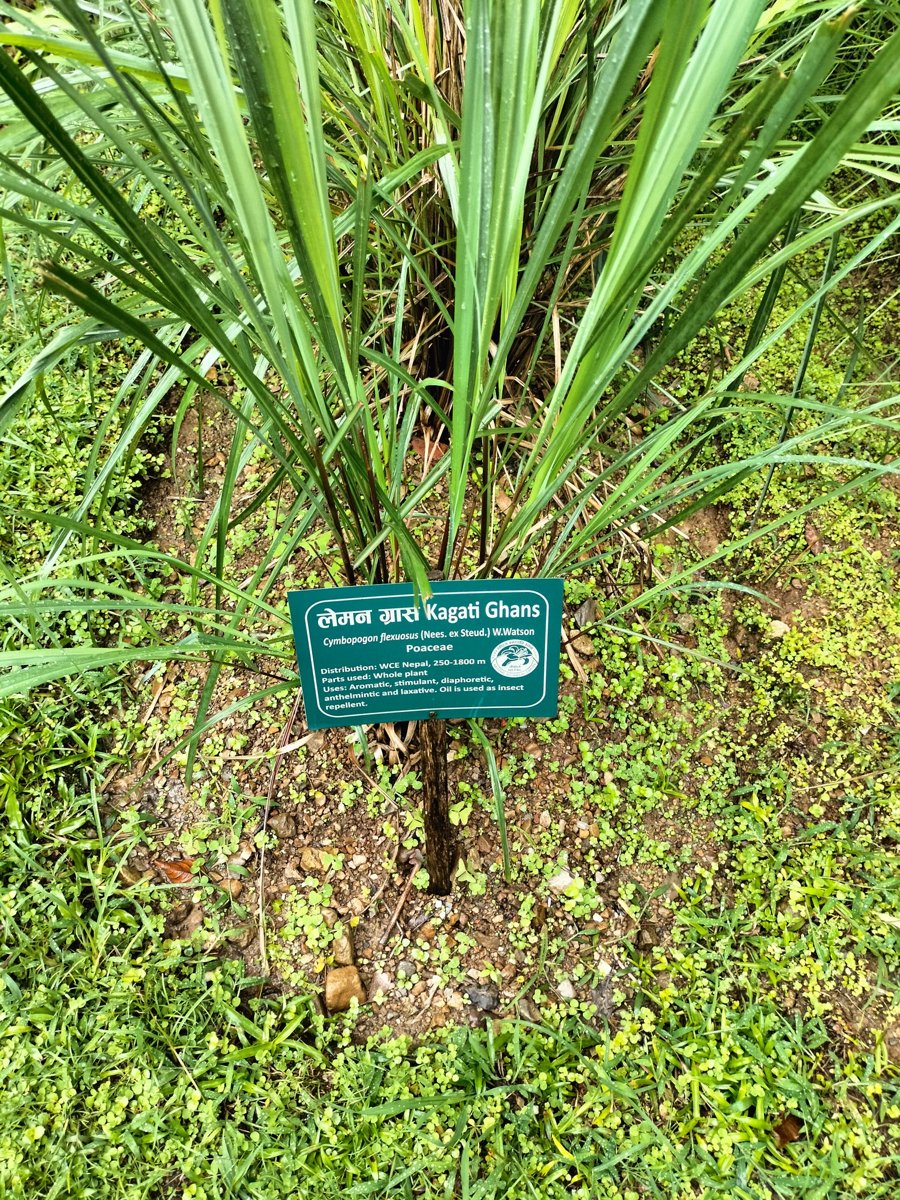 Malabar Grass |
Cymbopogon flexuosus | similar summary terms |
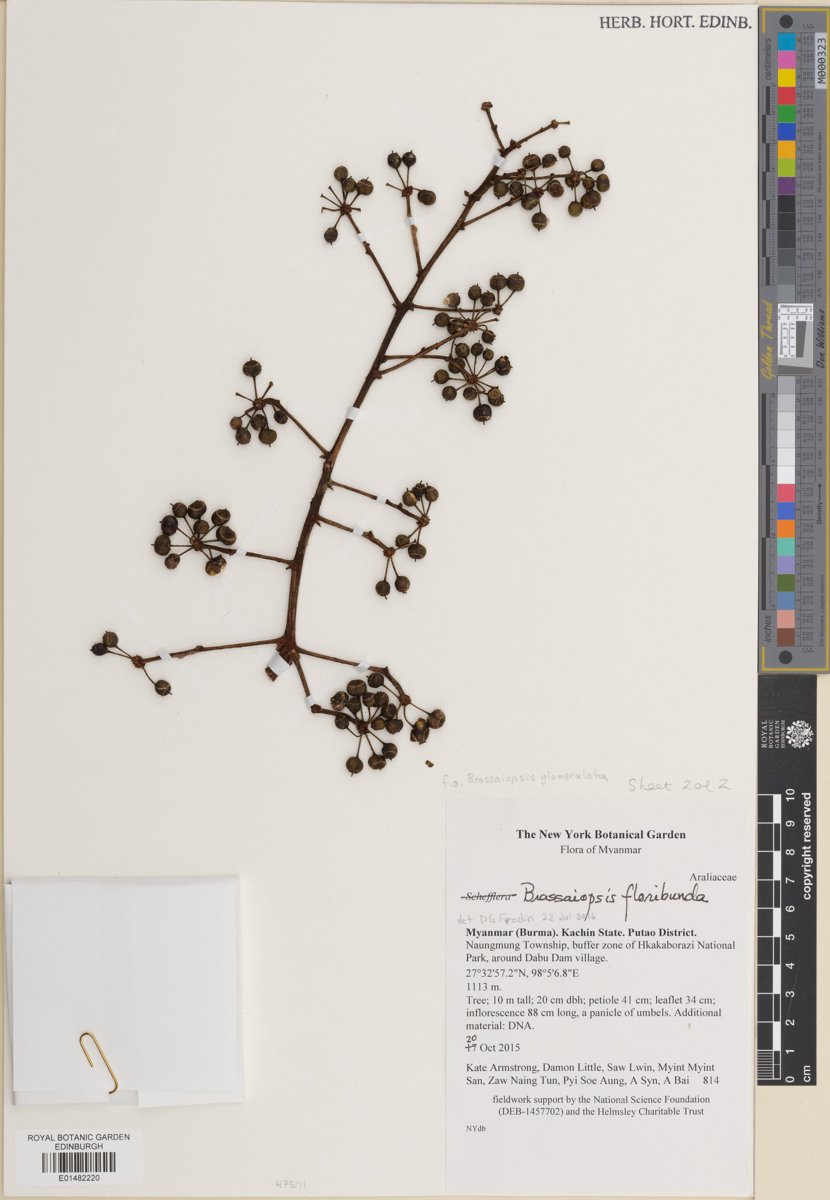 Brassaiopsis Glomerulata |
Brassaiopsis glomerulata | similar summary terms |
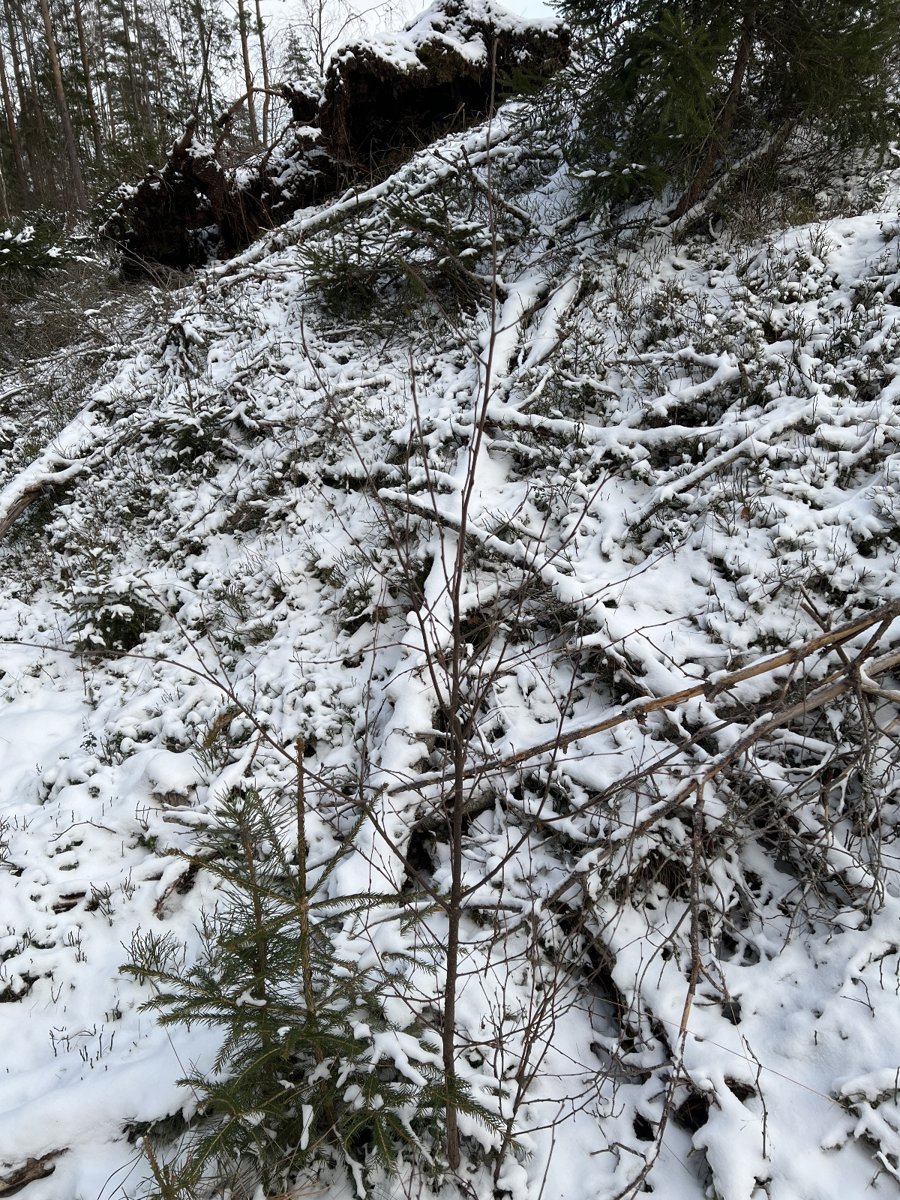 White Birch |
Betula pubescens | similar summary terms |
 Larch Tree |
Larix laricina | similar summary terms |
Ask the RAG about Cedar Lebanon — get evidence-based answers from WHO monographs and pharmacognosy textbooks.
Or browse the product search to find more products.