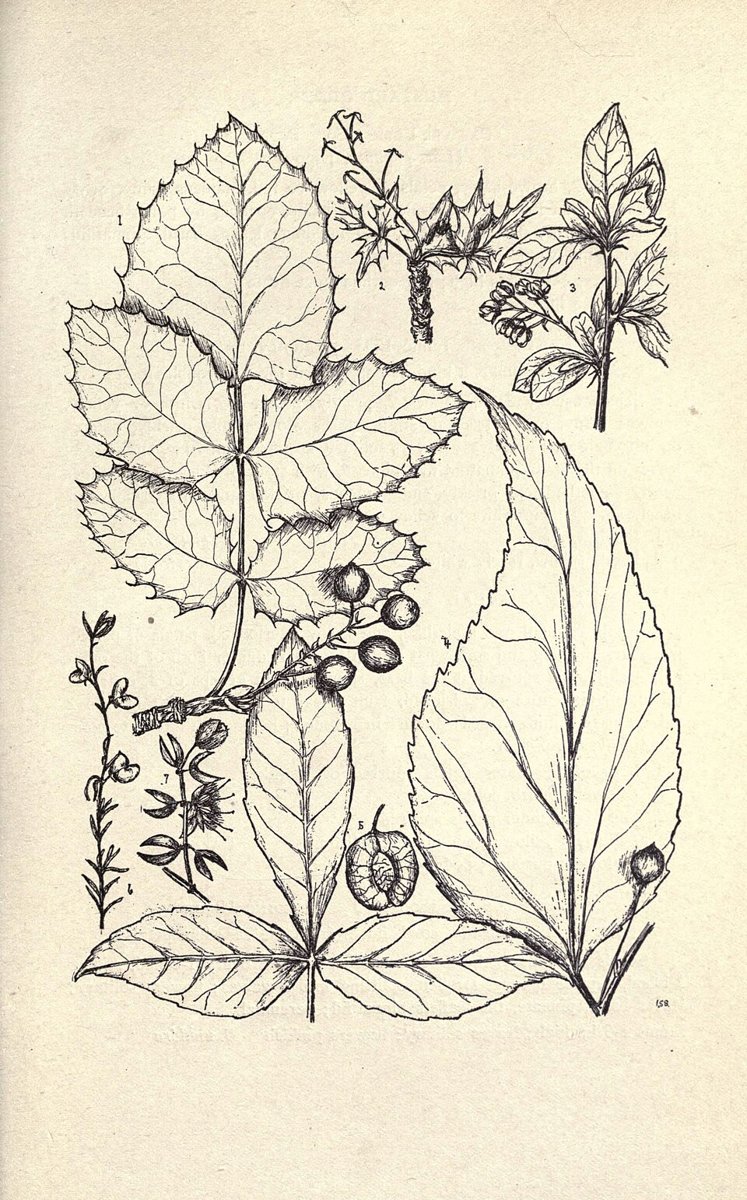
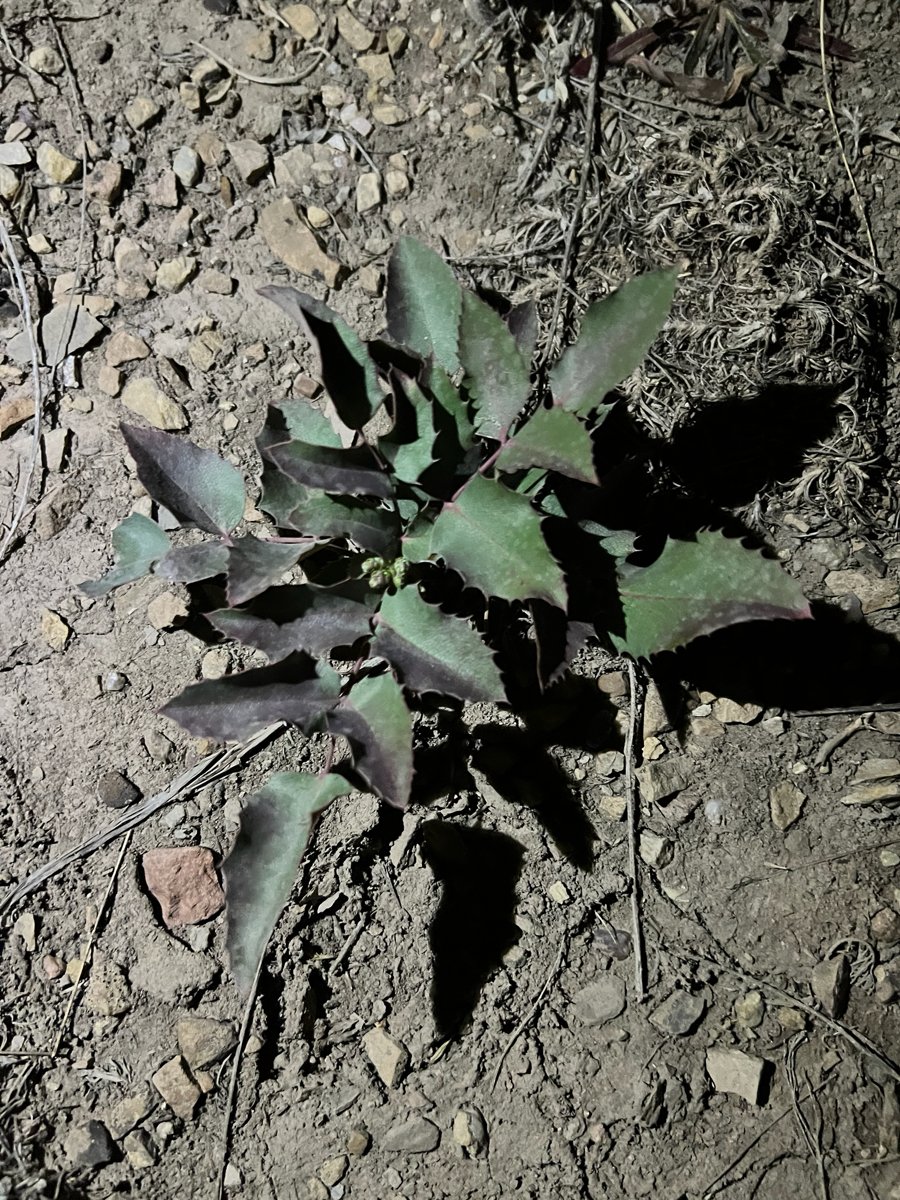
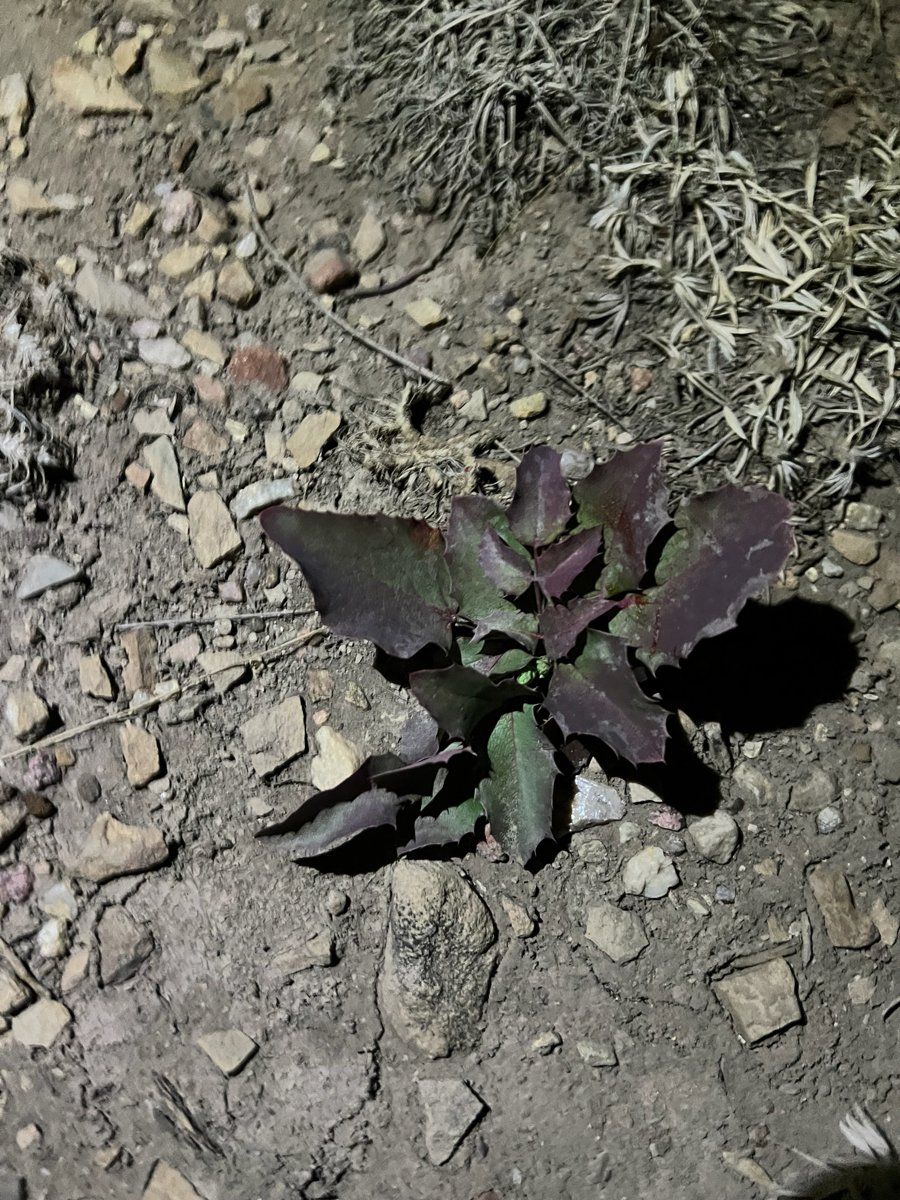
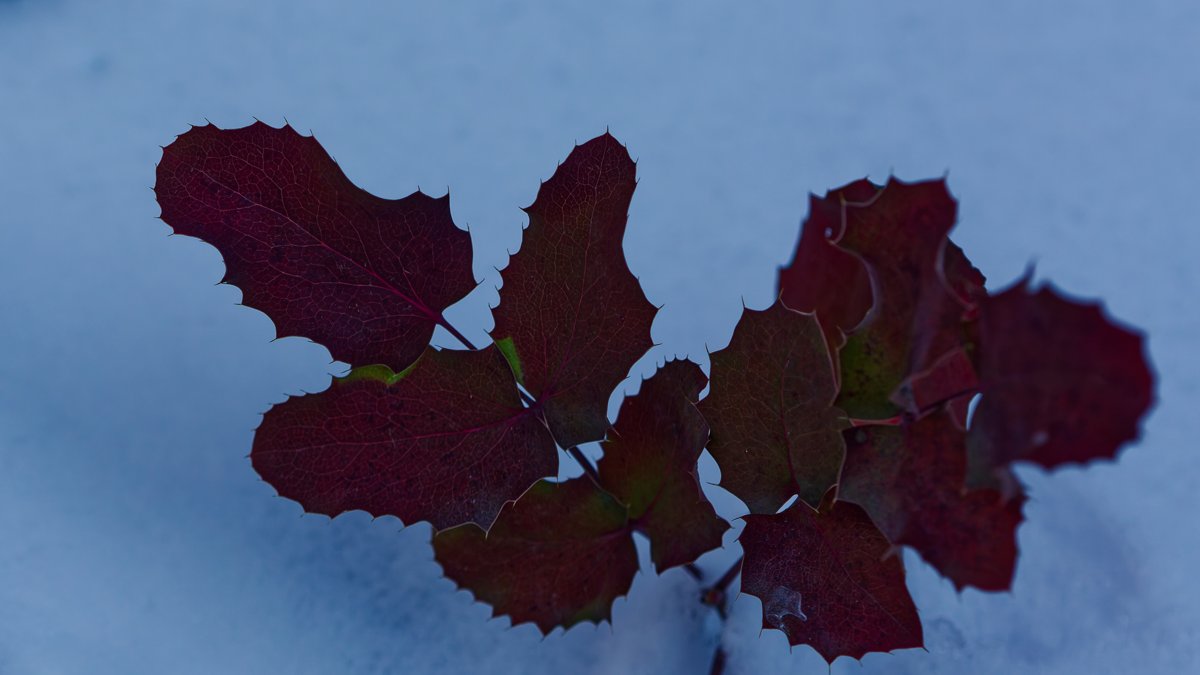

Mahonia Repens
Berberis repens
| Scientific Name | Berberis repens |
| Safety Rating | N/A |
| Evidence Level | N/A |
Mahonia repens, commonly called Oregon grape, is a perennial shrub whose root bark and leaf extracts contain the alkaloid berberine. It is used traditionally as an anti‑inflammatory and antimicrobial remedy for coughs, sore throats, urinary tract infections, and skin conditions. Because berberine can delay gastric emptying and interact with drugs such as anticoagulants and antidiabetic medicines, the herb should be used under professional guidance, especially for people on prescription medications or who are pregnant or breastfeeding.
Source: PMC: Maqui, WHO Monographs on Selected Medicinal Plants (Vols 1-3), https://en.wikipedia.org/wiki/rauwolfia_vomitoria
50 products from NIH DSLD database (verified label data)
| Herb | Scientific Name | Why related |
|---|---|---|
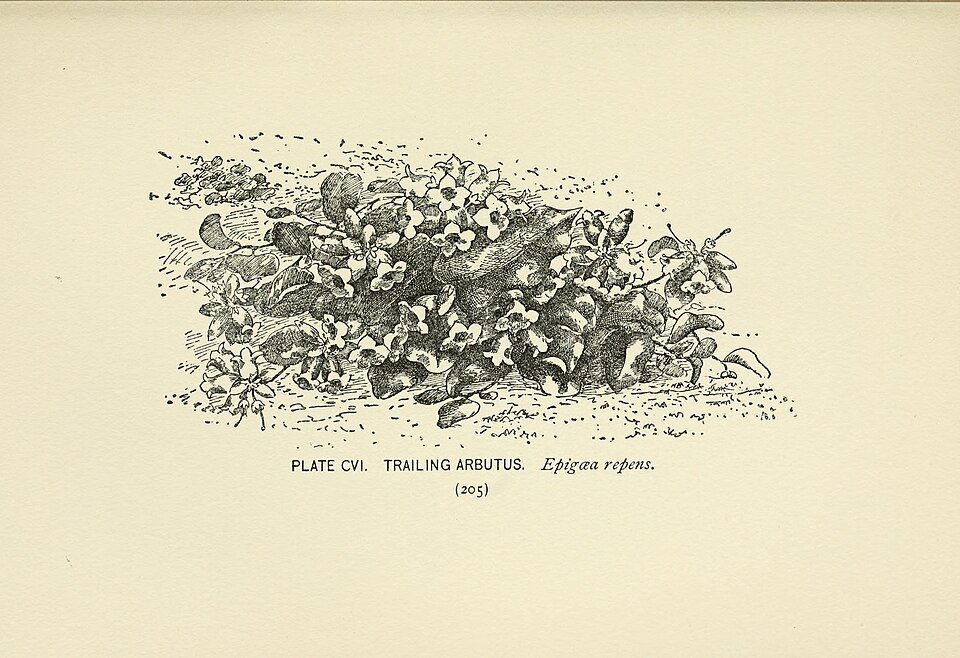 Epigaea Repens |
Epigaea repens | shares 137 product(s) |
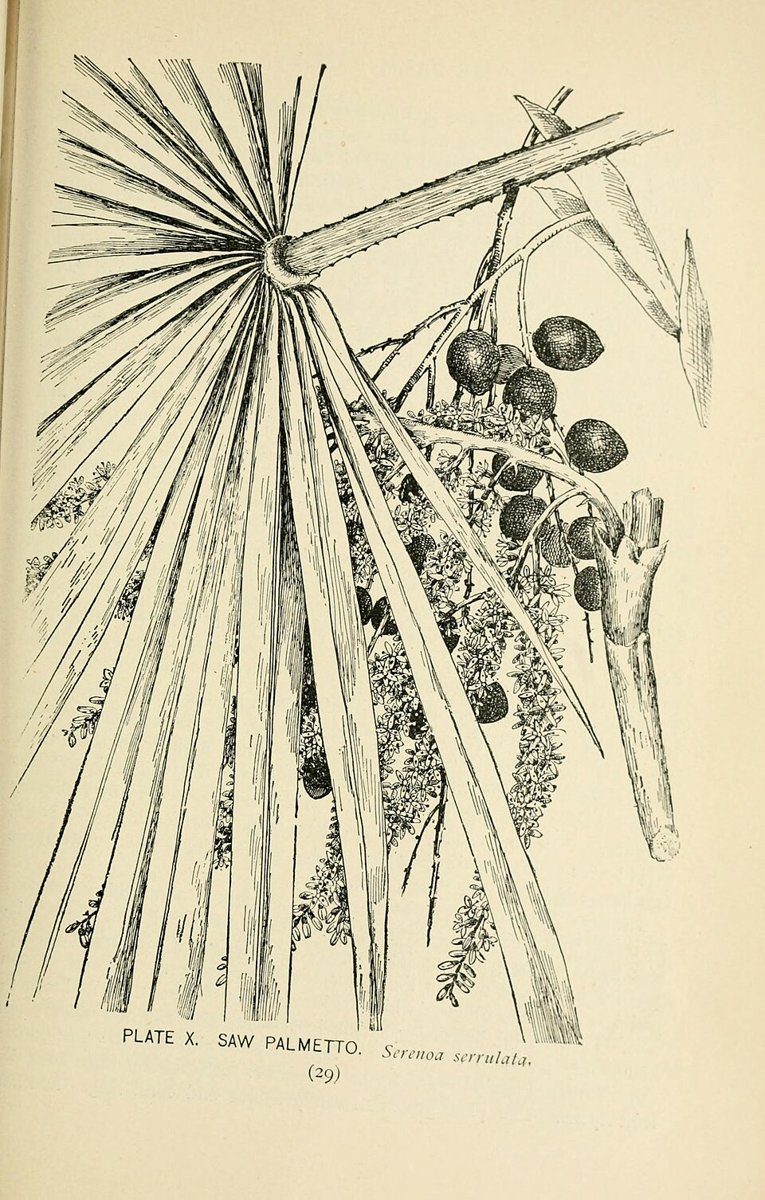 Saw Palmetto |
Serenoa repens | shares 128 product(s) |
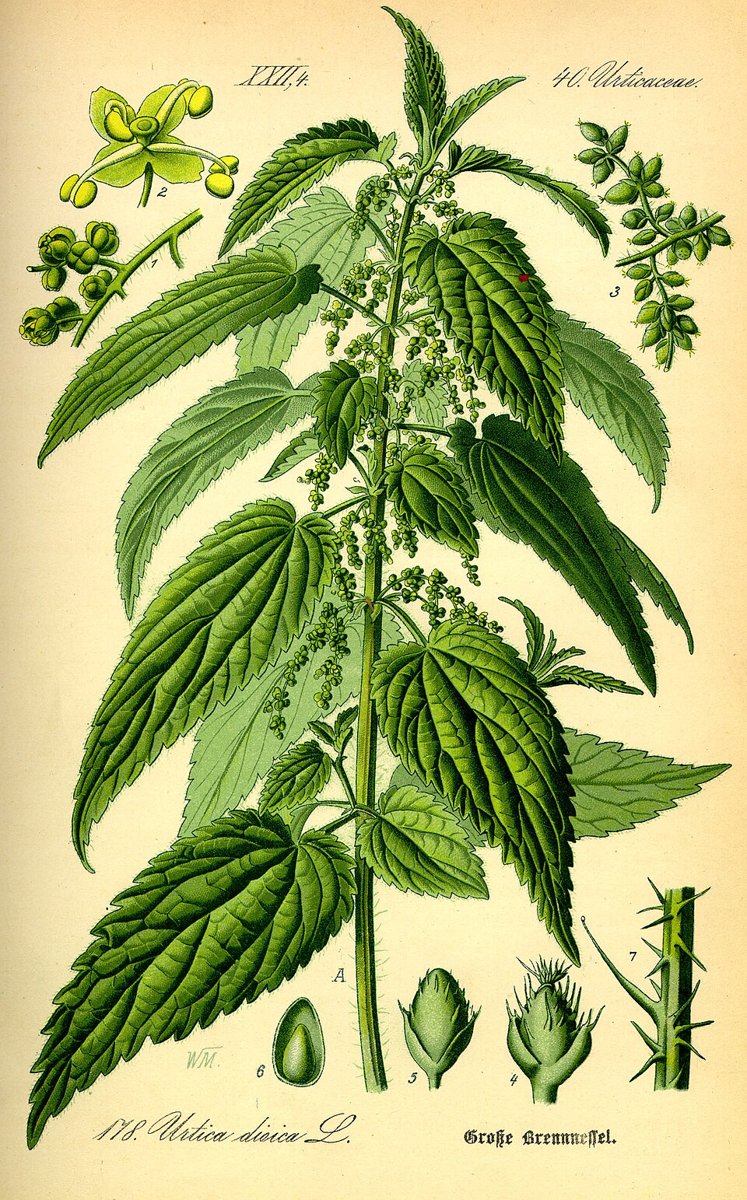 Nettle Root / Leaf |
Urtica dioica | shares 35 product(s) |
 Pygeum |
Pygeum africanum | shares 25 product(s) |
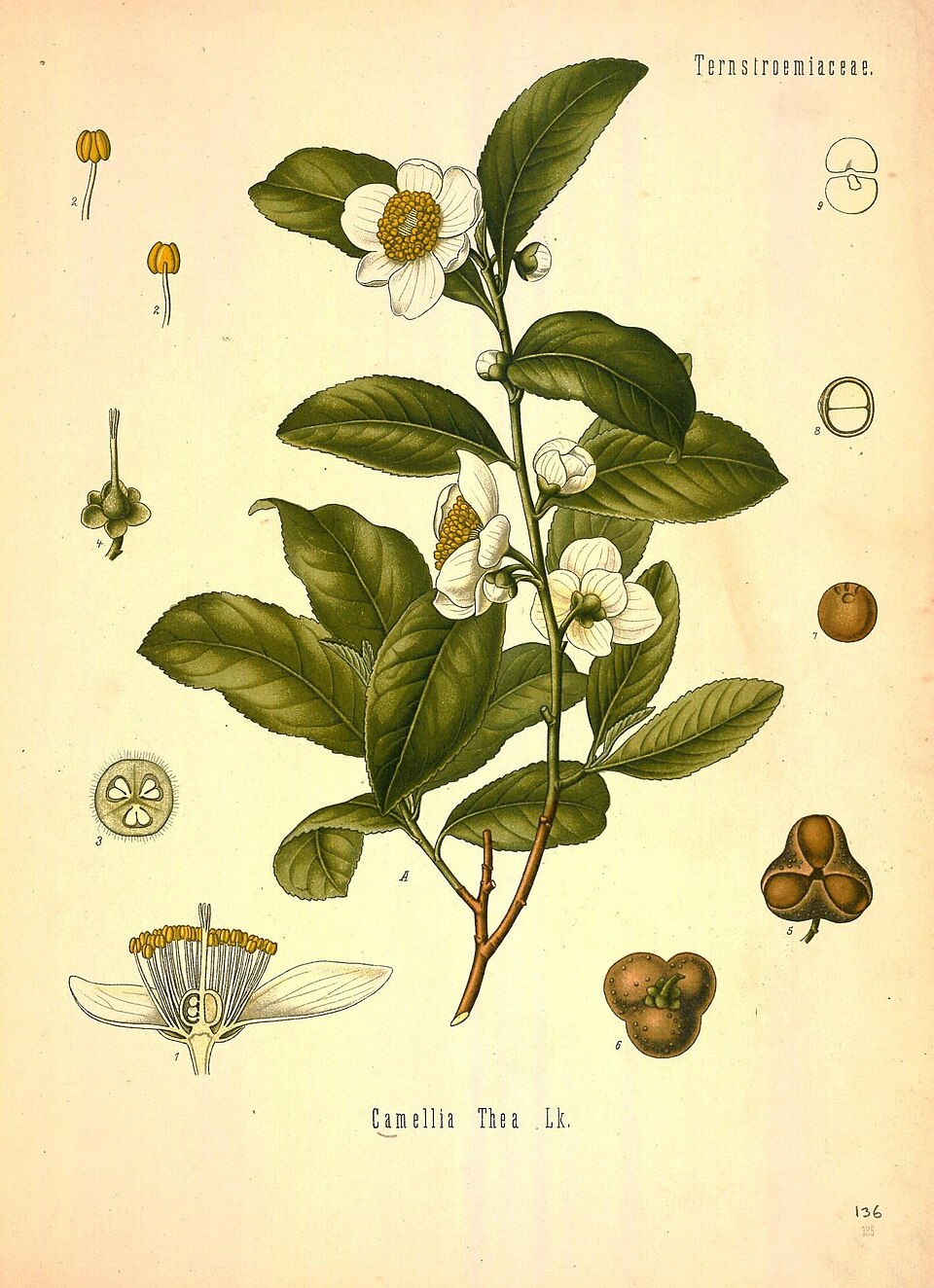 Green Tea Extract |
Camellia sinensis (EGCG) | shares 22 product(s) |
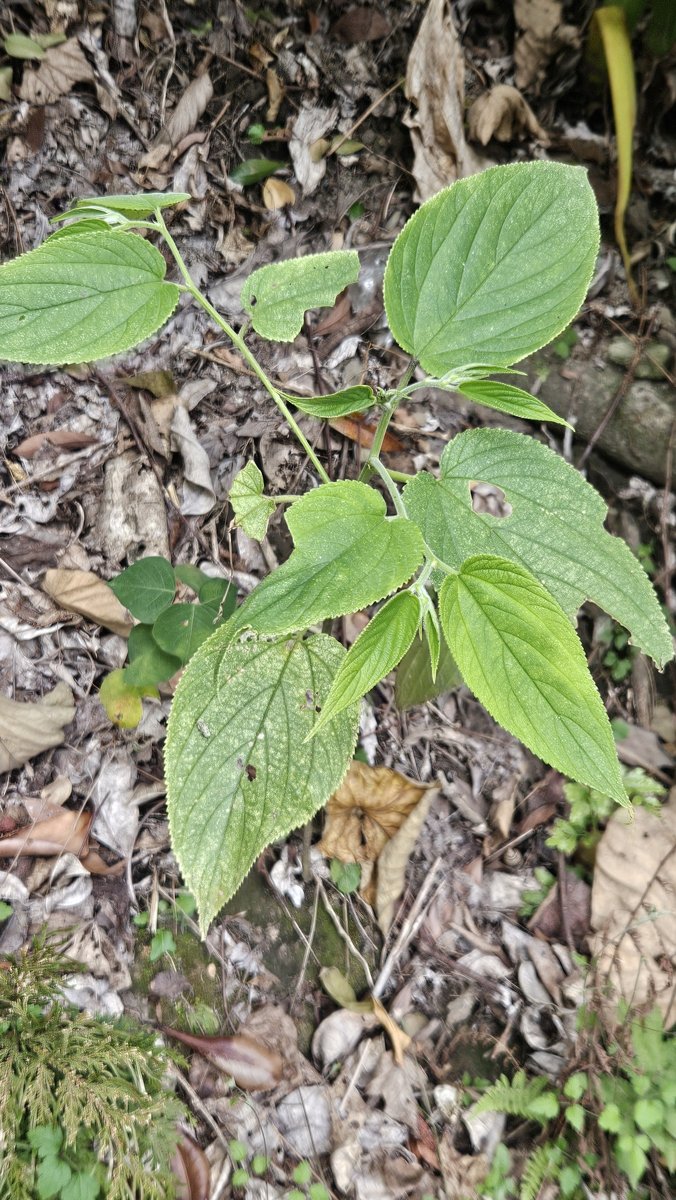 Charcoal-Tree |
Trema orientale | similar summary terms |
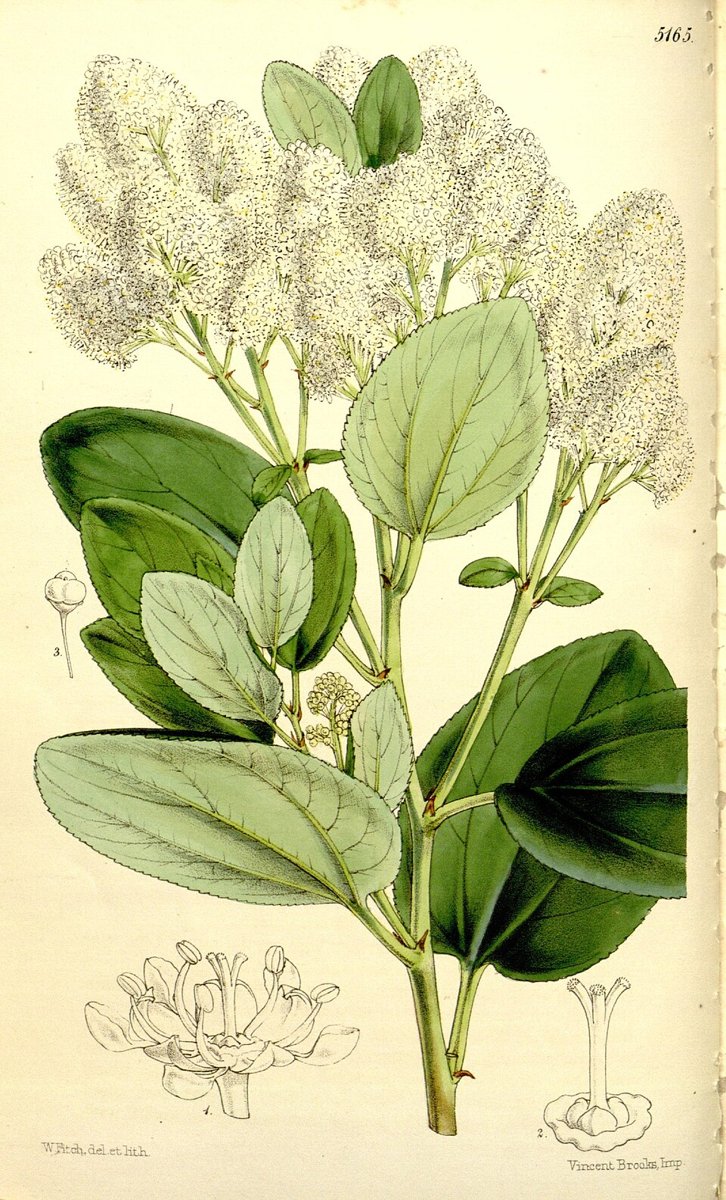 Ceanothus Velutinus |
Ceanothus velutinus | similar summary terms |
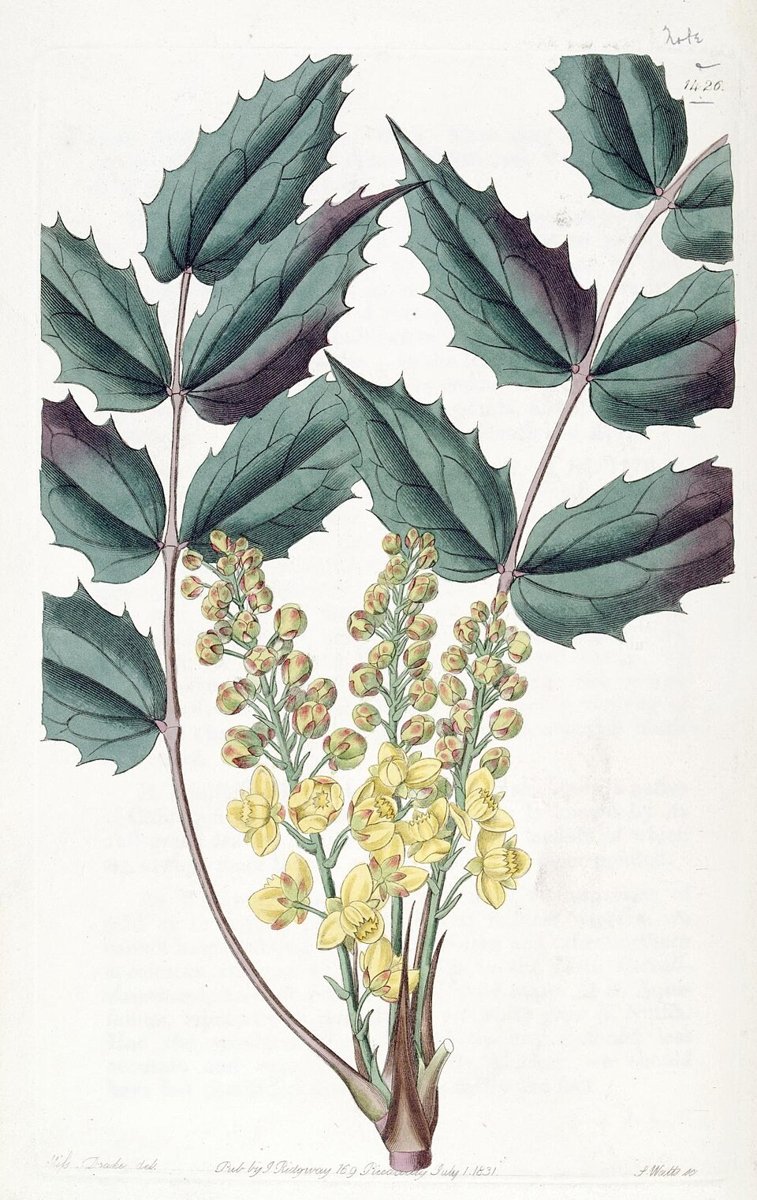 Mahonia Nervosa |
Berberis nervosa | similar summary terms |
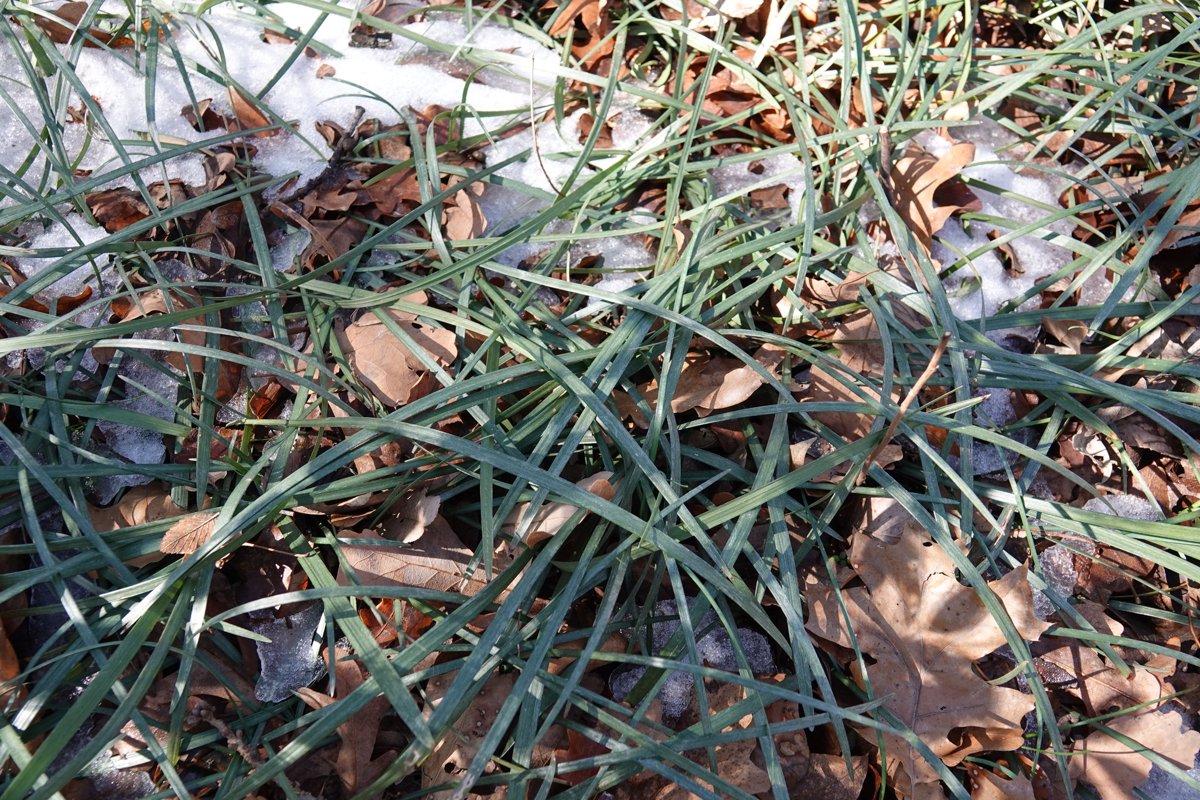 Ophiopogon |
Ophiopogon japonicus | similar summary terms |
 Hydrangea arborescens |
 similar summary terms |
Ask the RAG about Mahonia Repens — get evidence-based answers from WHO monographs and pharmacognosy textbooks.
Or browse the product search to find more products.