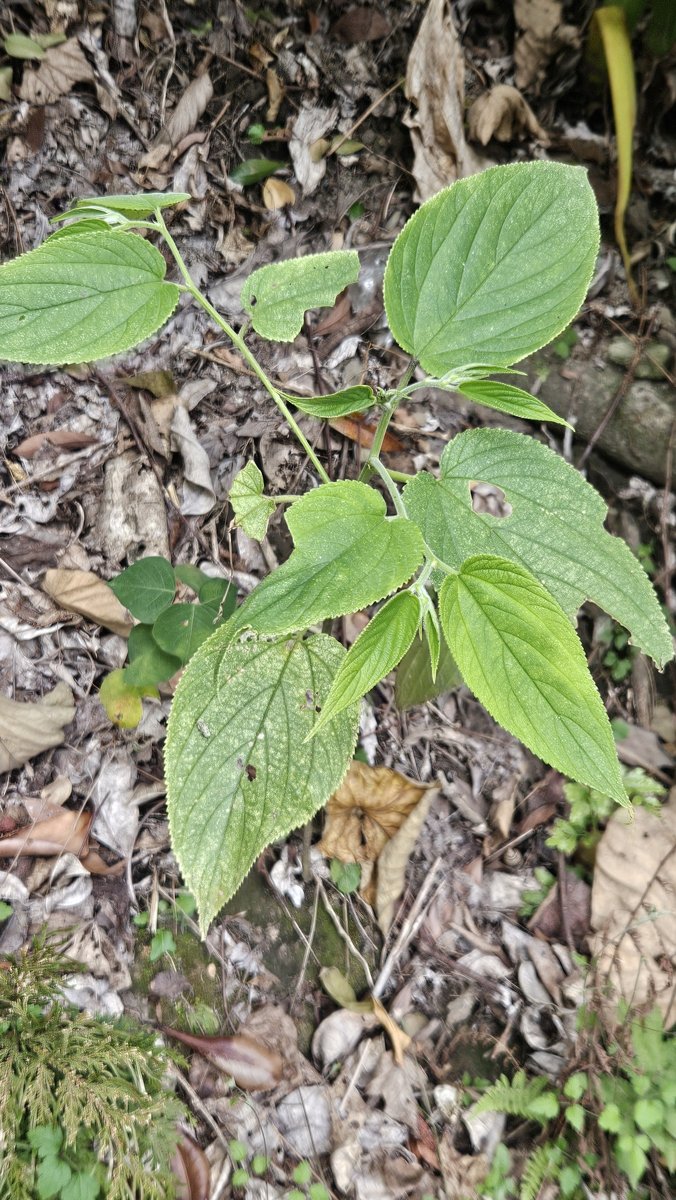
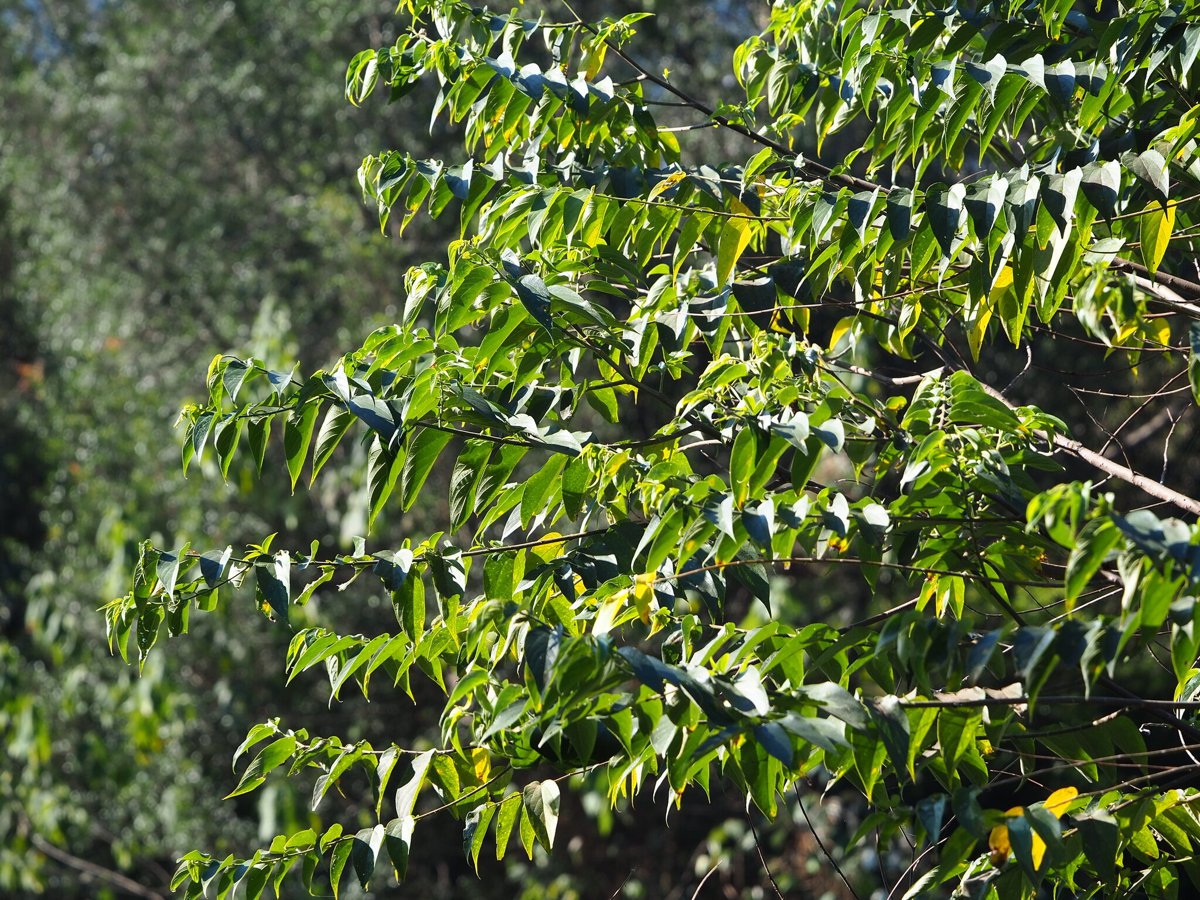


Charcoal-Tree
Trema orientale
| Scientific Name | Trema orientale |
| Safety Rating | N/A |
| Evidence Level | N/A |
Trema orientale, commonly called charcoal‑tree, is a woody shrub/tree whose bark, leaves, and powdered leaves are used in traditional medicine. It is applied topically and orally for conditions such as inflammation, burns, arthritis, abdominal pain, menstrual pain, skin infections, and wounds, and it has been used as a febrifuge and for anti‑helminthic, anti‑cancer, antidiabetic, hepatoprotective, and antioxidant purposes. Because it can cause skin irritation or interact with medications, it should be used under professional guidance, especially by pregnant women, individuals with liver concerns, or those on other treatments.
Source: IntechOpen: Pharmacognosy - Medicinal Plants, PMC: Calendula, PMC: Terminalia Chebula
| Herb | Scientific Name | Why related |
|---|---|---|
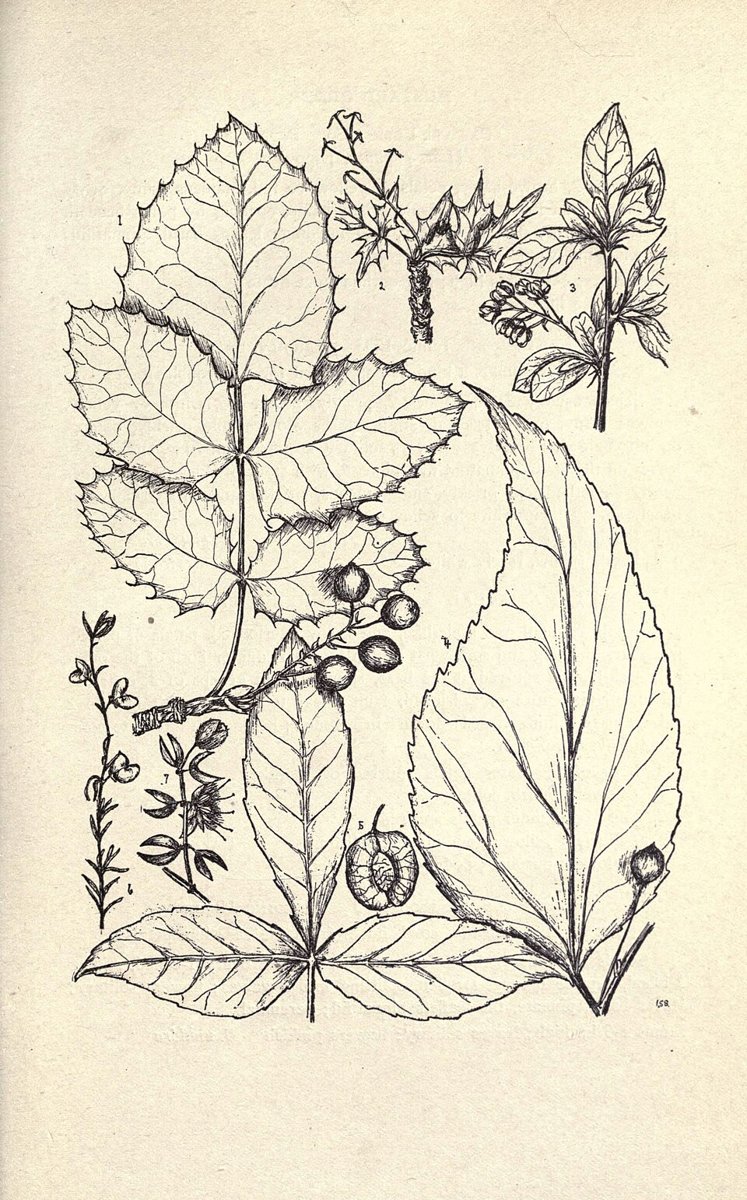 Mahonia Repens |
Berberis repens | similar summary terms |
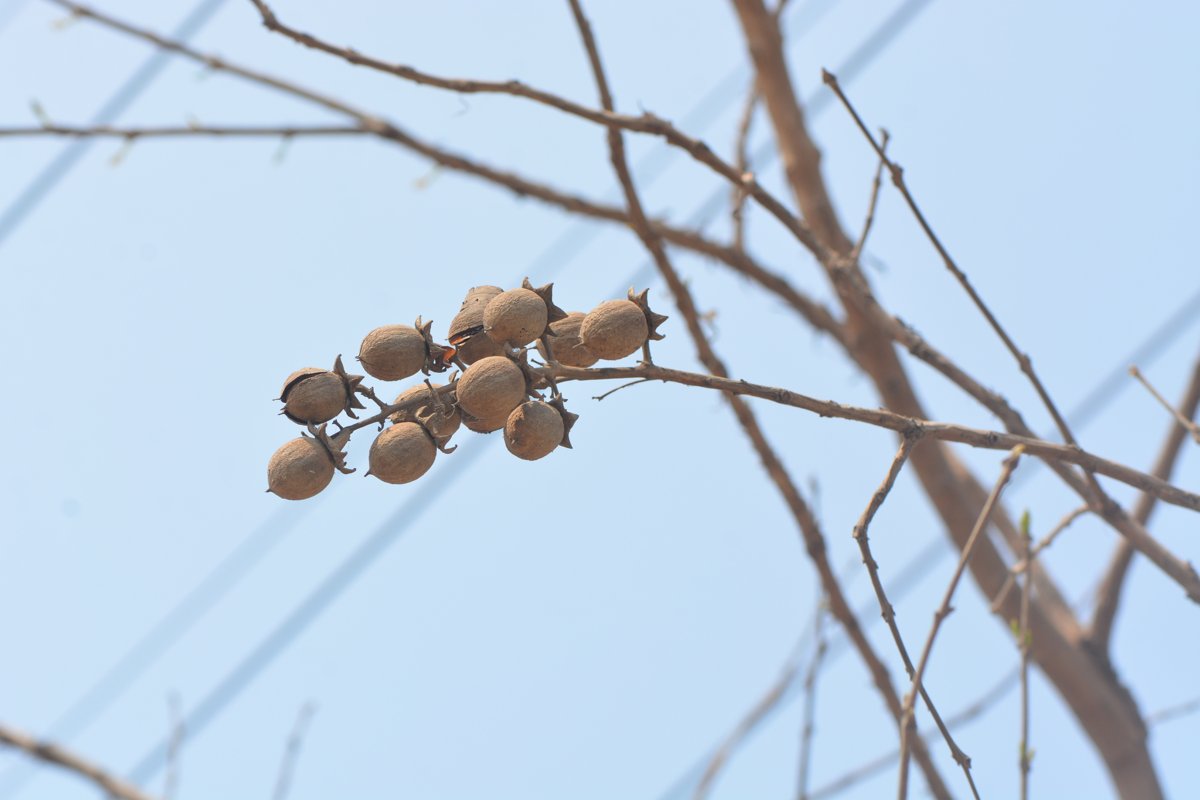 Lagerstroemia Speciosa |
Lagerstroemia speciosa | similar summary terms |
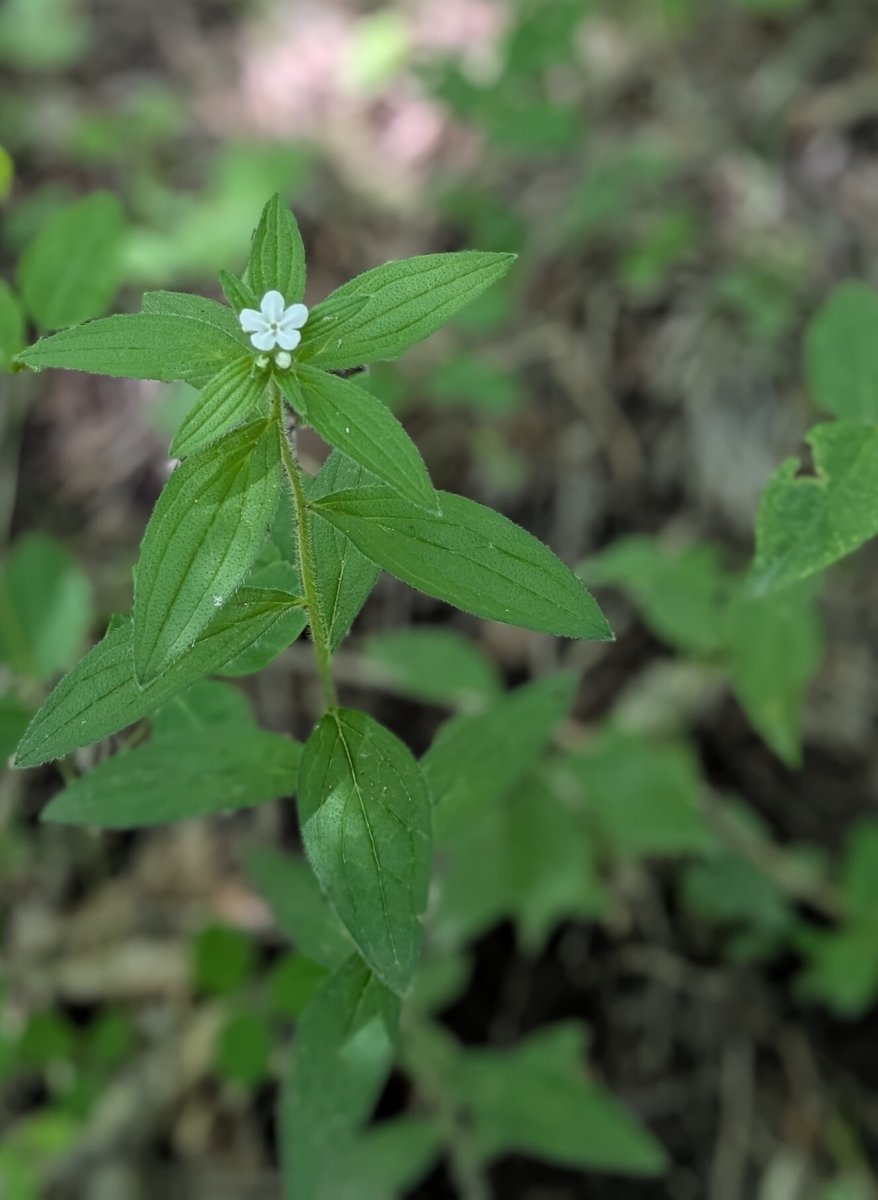 Red Stoneroot |
Lithospermum erythrorhizon | similar summary terms |
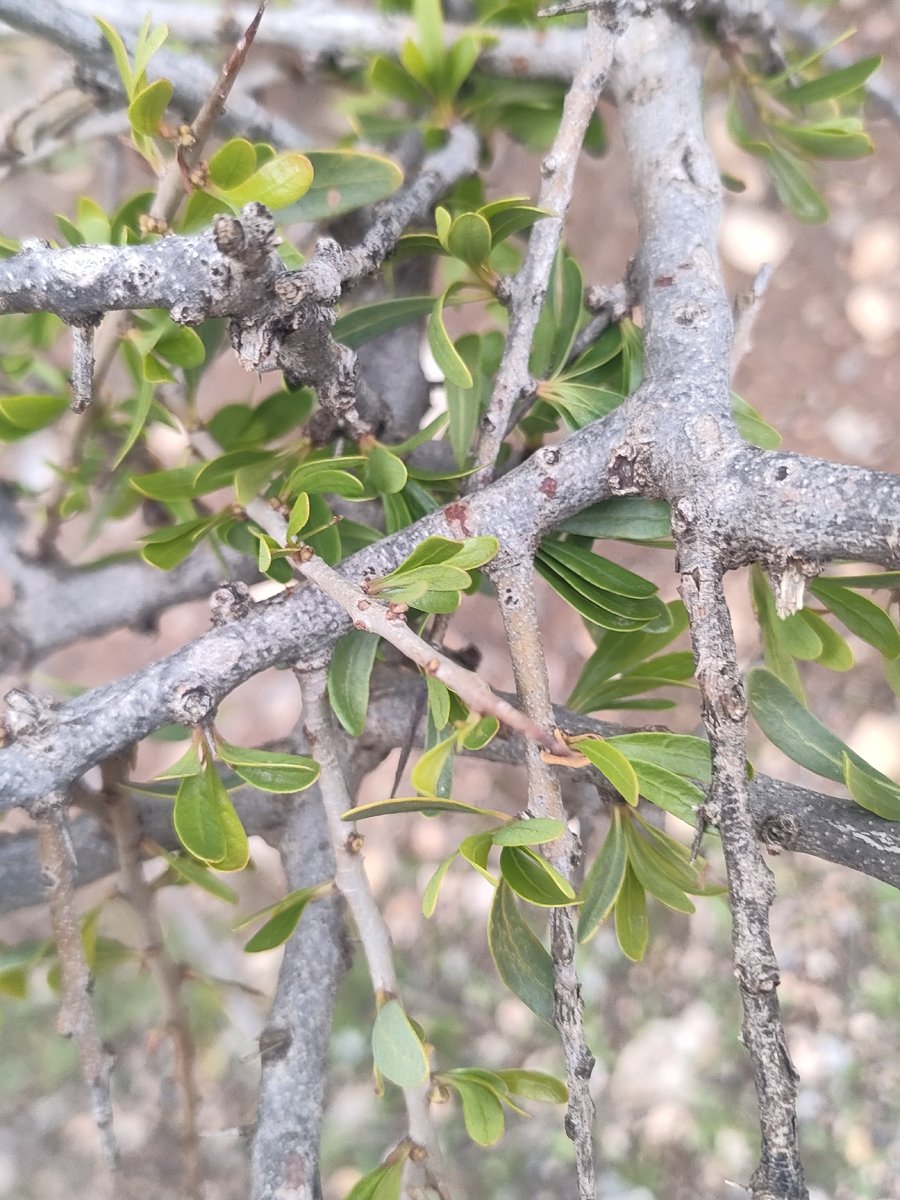 Argan |
Argania spinosa | similar summary terms |
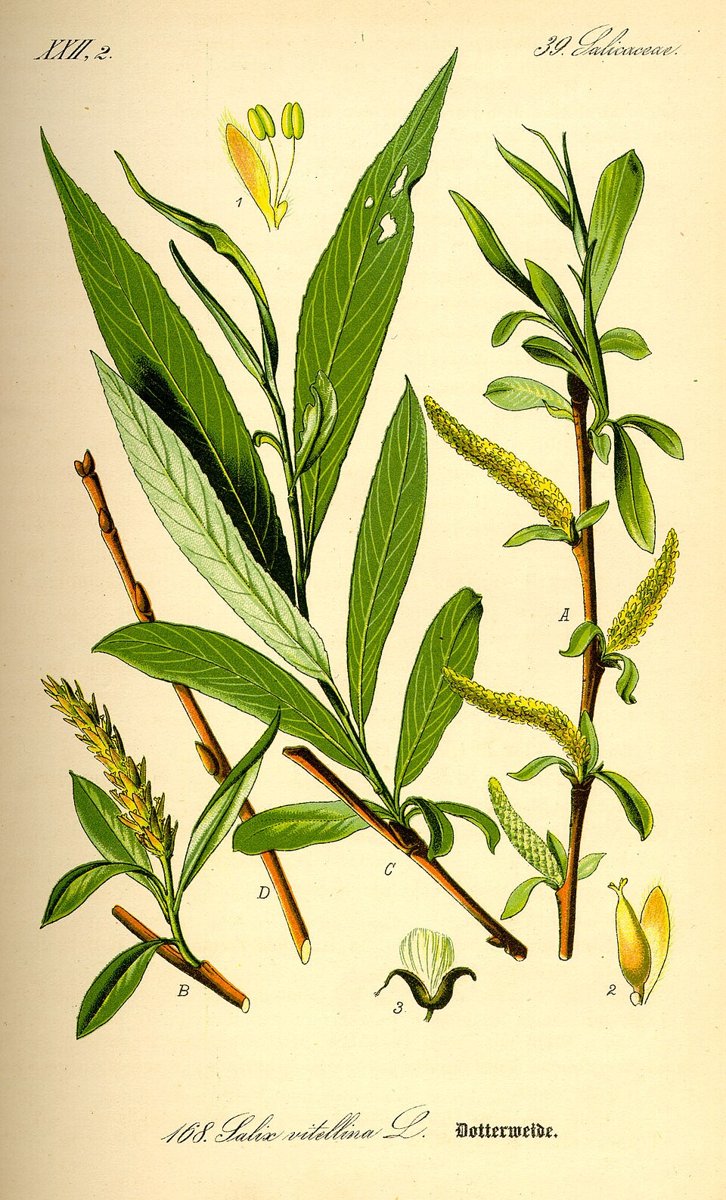 White Willow Bark |
Salix alba (salicin) | similar summary terms |
No products found for this herb in our database.
Ask the RAG about Charcoal-Tree — get evidence-based answers from WHO monographs and pharmacognosy textbooks.
Or browse the product search to find more products.