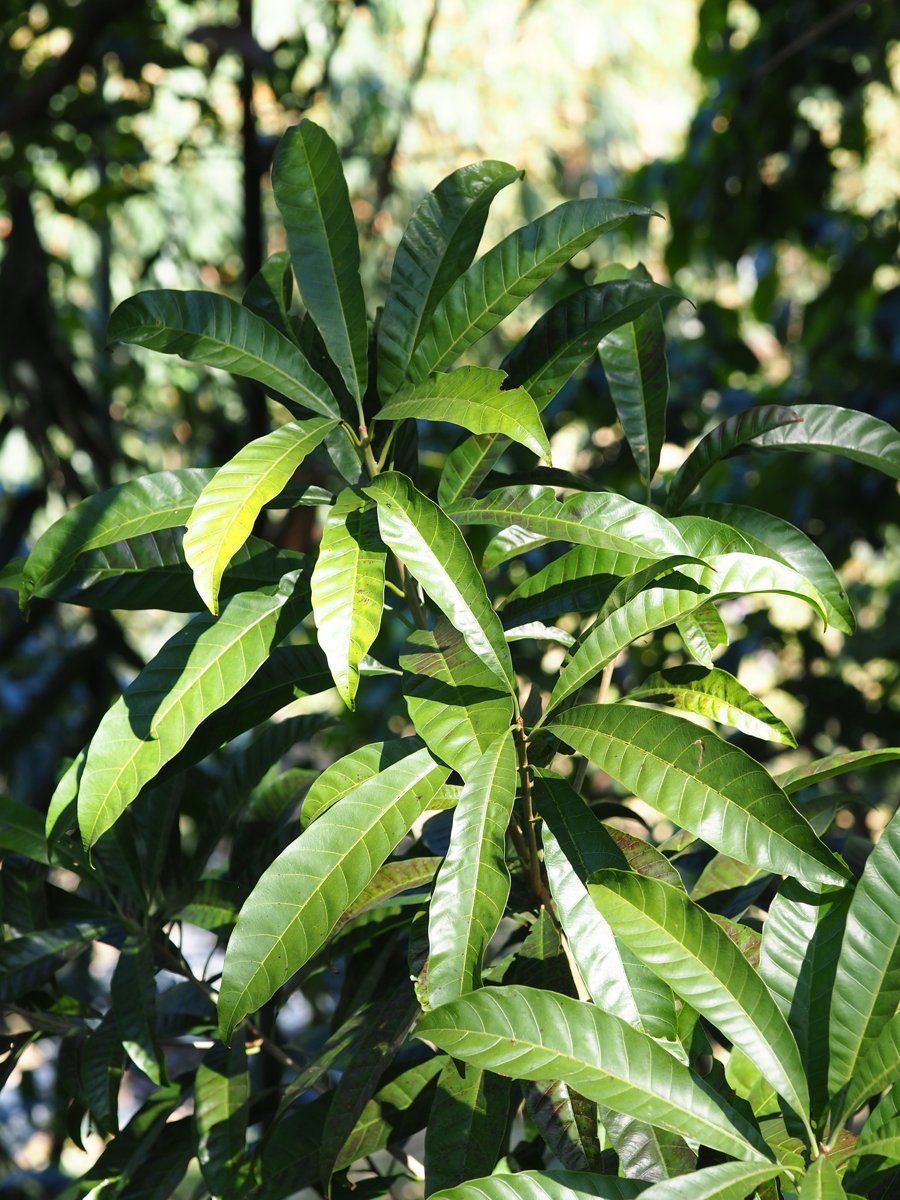
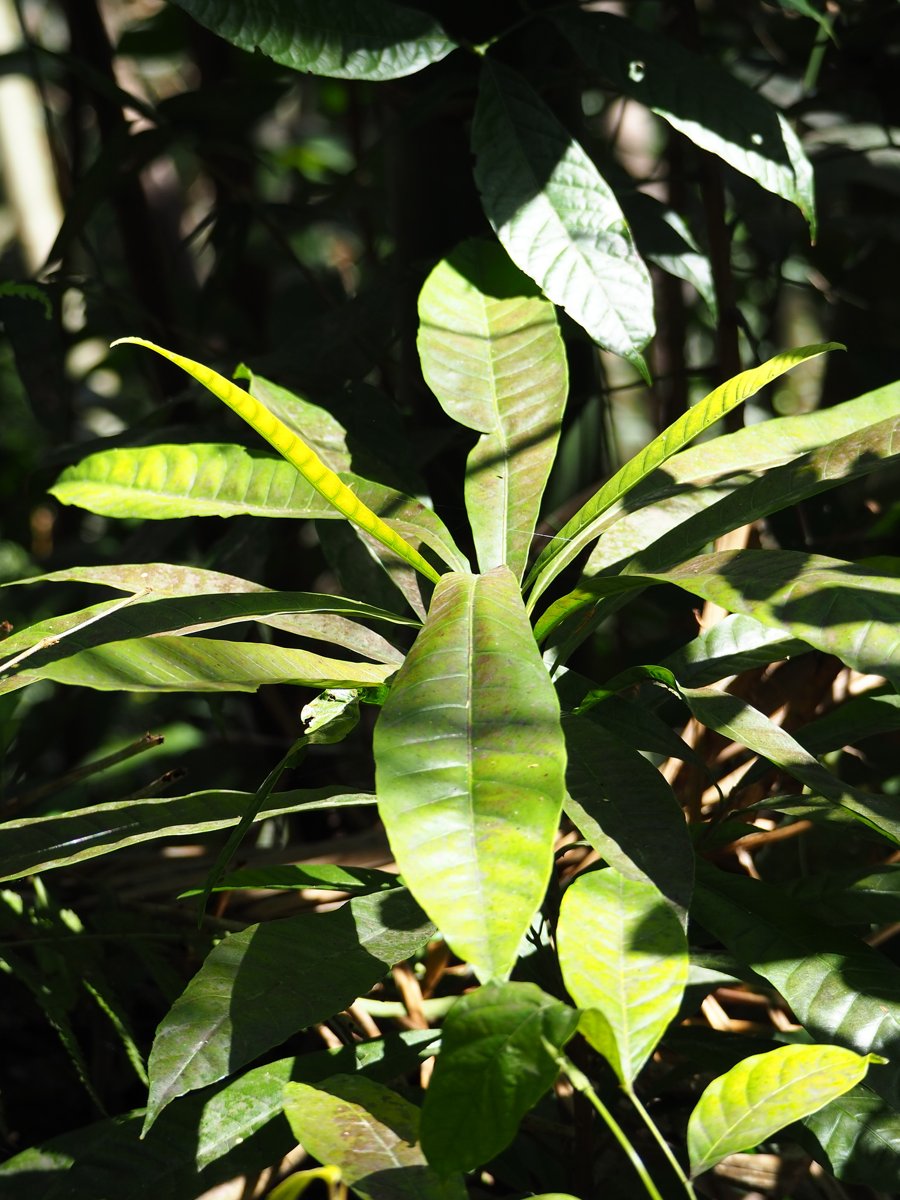
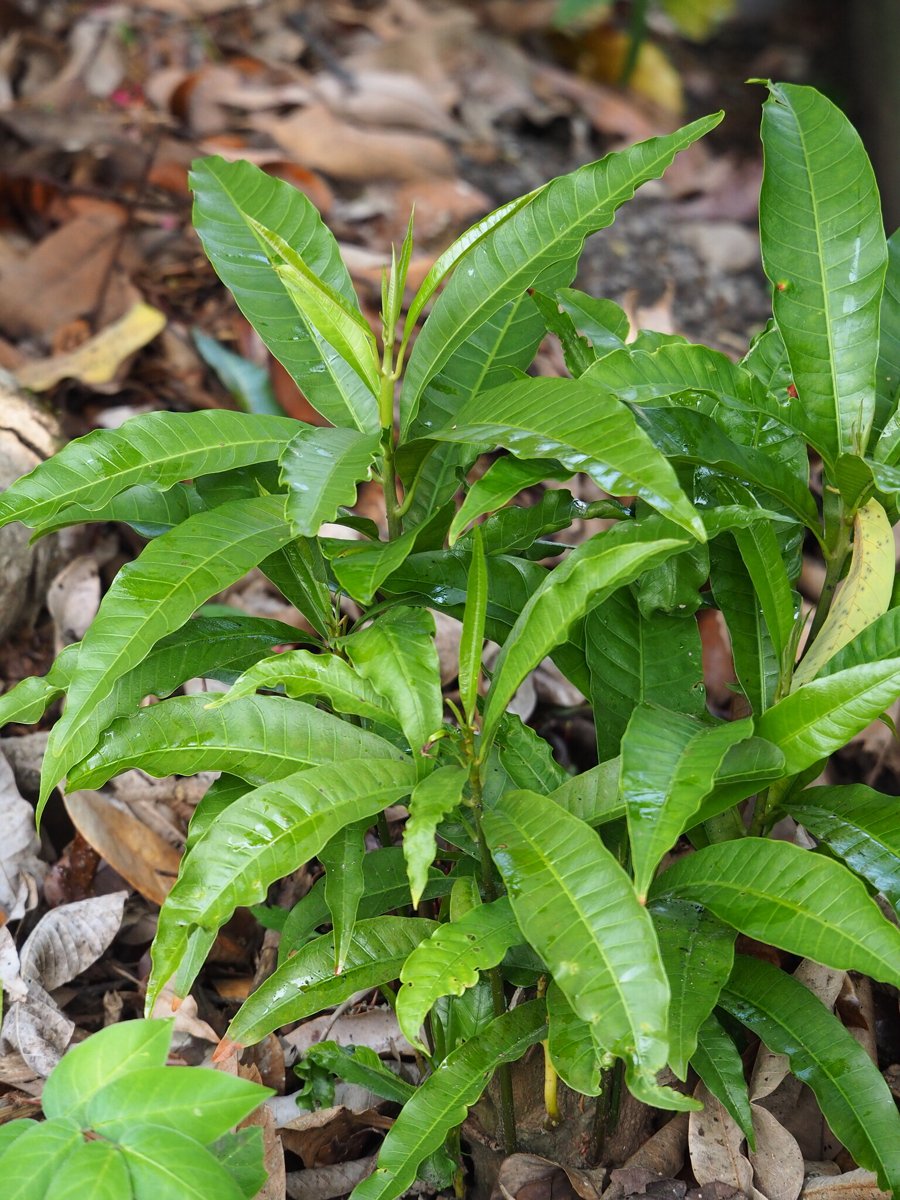
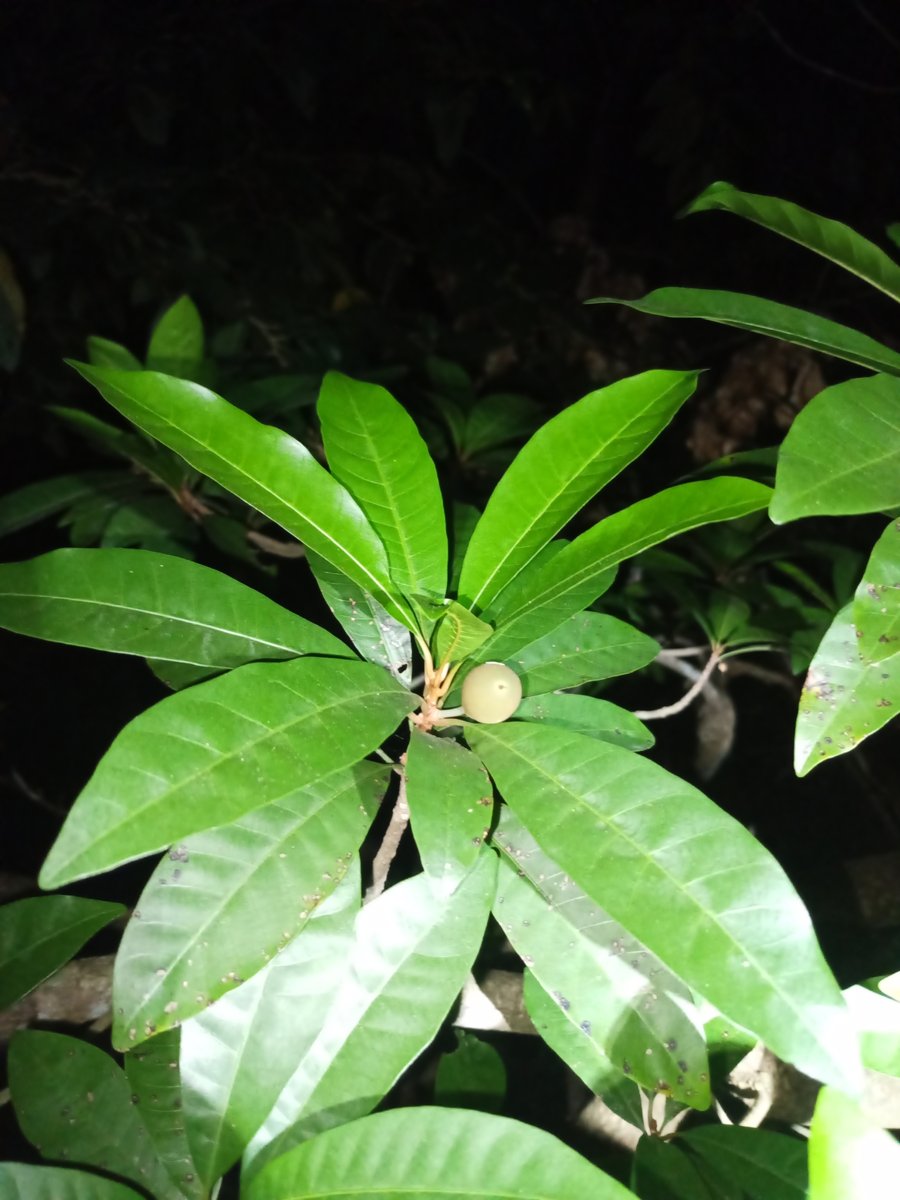
Lucuma
Lucuma campechiana
Conditionally Safe
evidence: limited
| Scientific Name | Lucuma campechiana |
| Safety Rating | Conditionally Safe |
| Evidence Level | limited |
Lucuma (Lucuma campechiana) is a fruit‑bearing tree whose small, yellow‑brown fruit is rich in vitamins, minerals, antioxidants, and fructooligosaccharide fibers. It is used mainly as a natural sweetener and as a dietary supplement to support digestive health, blood‑sugar management, and overall vitality. Generally safe in moderate amounts, but large doses can cause mild gastrointestinal discomfort and rare allergic reactions; people with very sensitive digestive systems should consume it in small quantities.
Source: WHO Monographs on Selected Medicinal Plants (Vols 1-3), https://en.wikipedia.org/wiki/false_unicorn
10 products from NIH DSLD database (verified label data)
10 products (showing max 200)
| Product | Ingredient | Amount | Price |
|---|---|---|---|
| Citrus C Defense | Lucuma, Powder | 60 mg | - |
| Lucuma Fruit 450 mg | Lucuma | 450 mg | - |
| Lucuma Fruit Powder | Lucuma, Powder | 1000 mg | - |
| Lucuma Fruit Powder | Lucuma, Powder | 1000 mg | - |
| Lucuma Powder | Organic Raw Lucuma | 0 NP | - |
| Organic Post-Workout Peach Tea | Lucuma | 500 mg | - |
| Organic Post-Workout Peach Tea Flavored | Lucuma | 500 mg | - |
| Organic Post-Workout Peach Tea Flavored | Lucuma | 500 mg | - |
| Plant Collagen | Lucuma | 0 NP | - |
| Vitality Greens | Lucuma | 0 NP | - |
| Herb | Scientific Name | Why related |
|---|---|---|
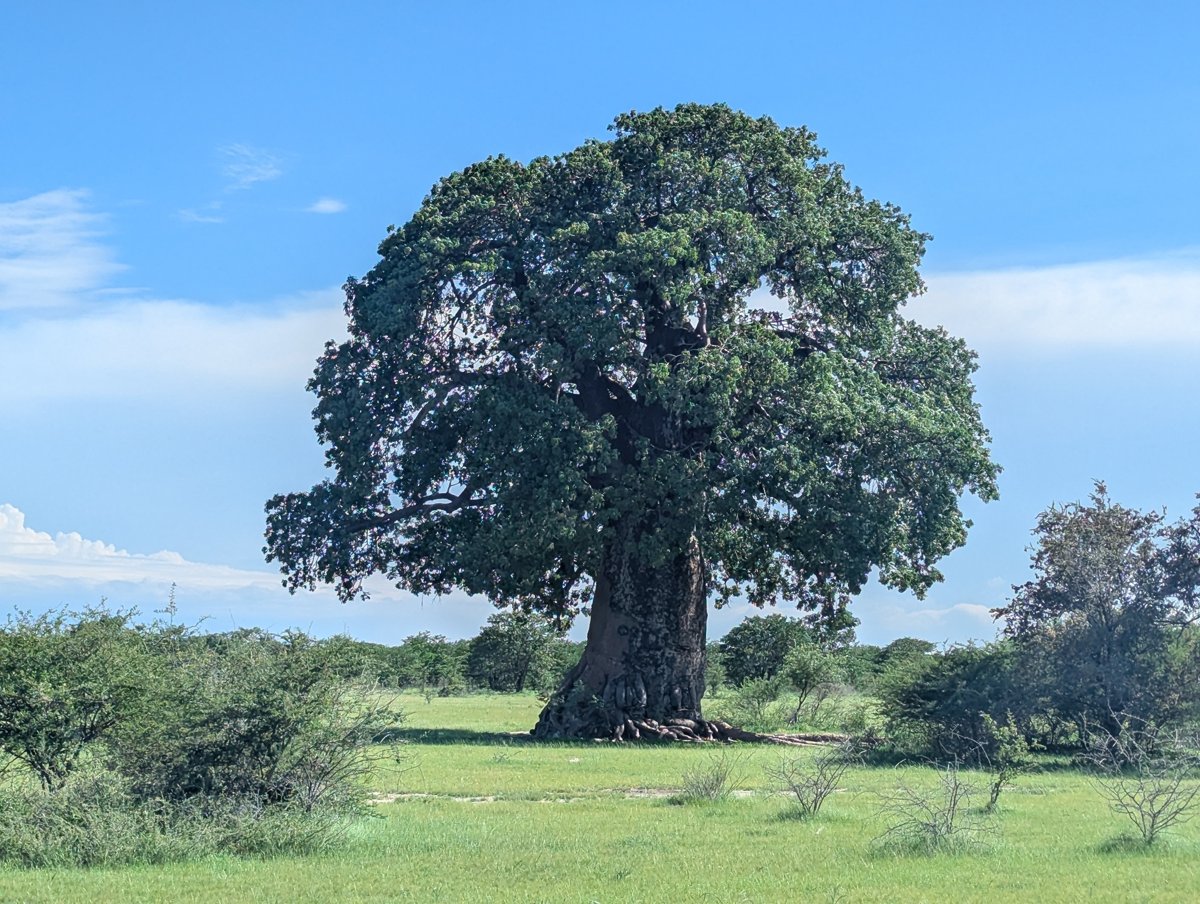 Baobab |
Adansonia digitata | shares 4 product(s) |
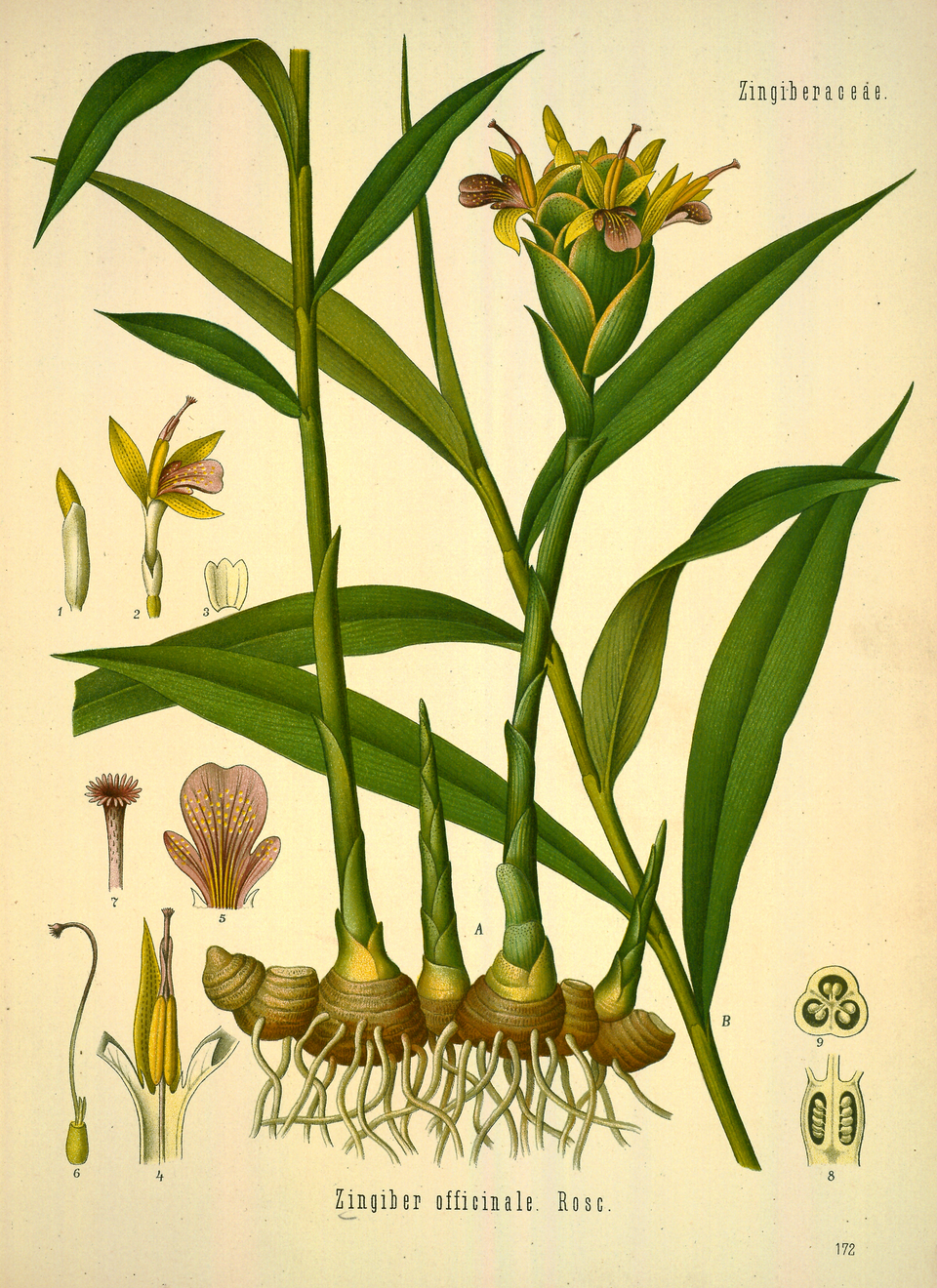 Ginger Root |
Zingiber officinale | shares 4 product(s) |
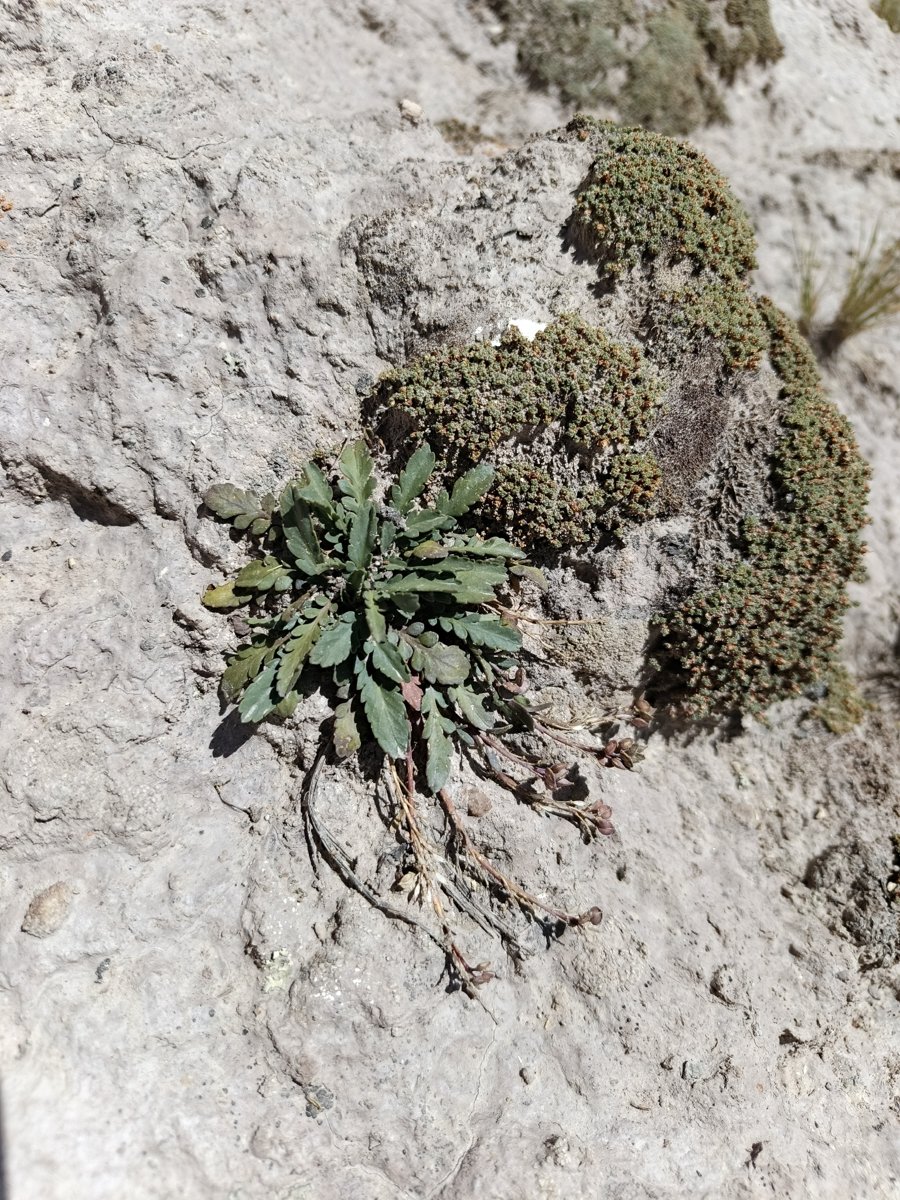 Maca |
Lepidium meyenii | shares 4 product(s) |
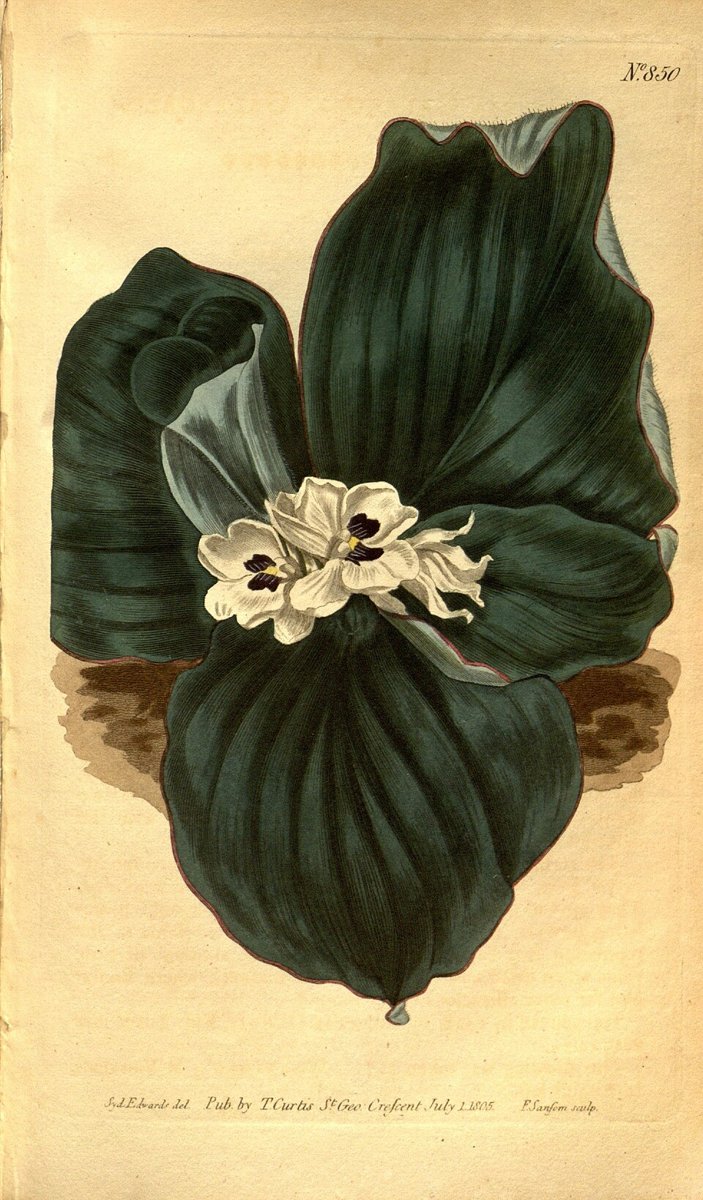 Sand Ginger |
Kaempferia galanga | shares 4 product(s) |
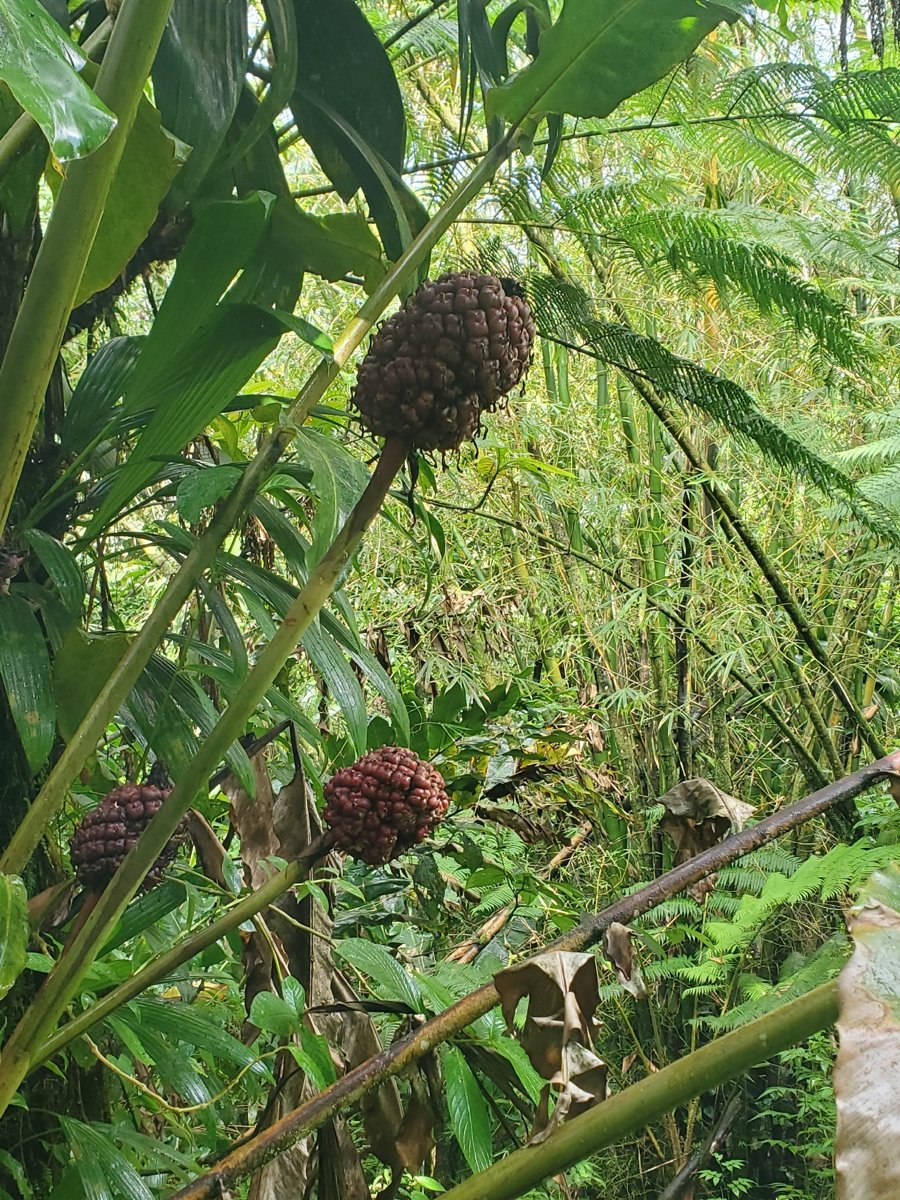 Torch Ginger |
Etlingera elatior | shares 4 product(s) |
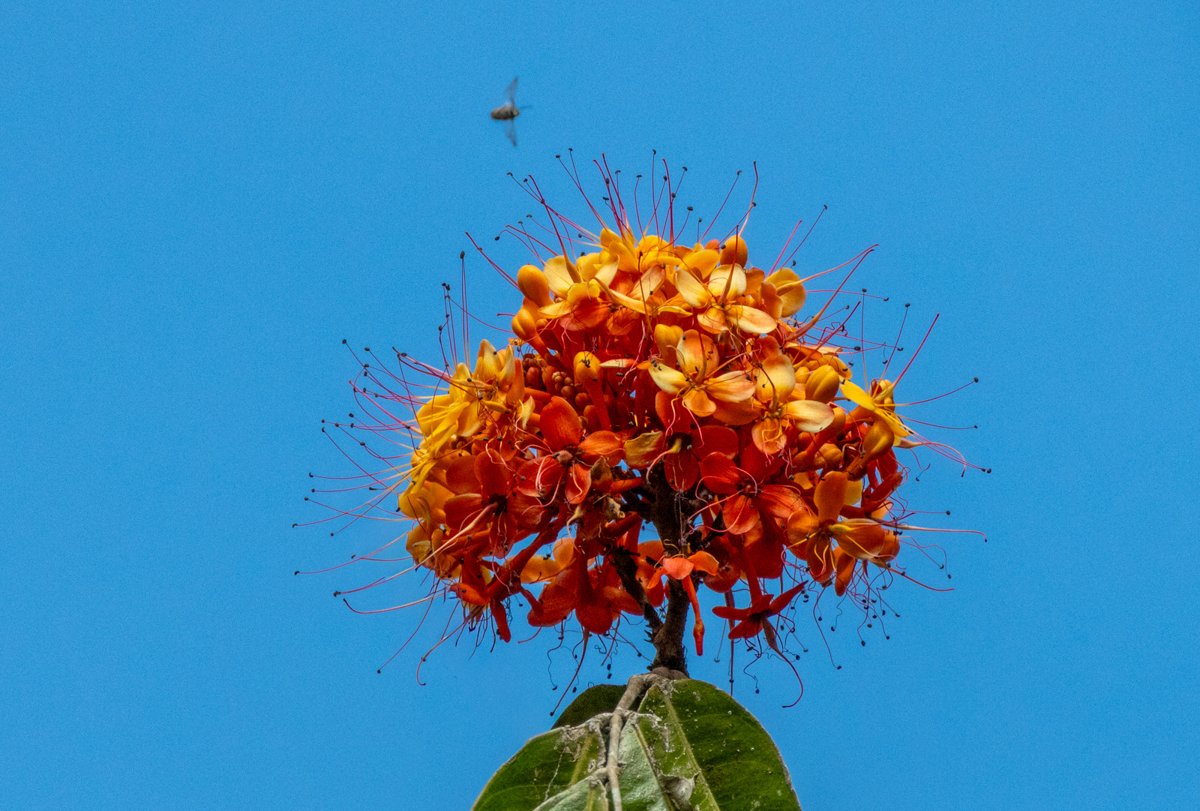 Ashoka |
Saraca asoca | similar summary terms |
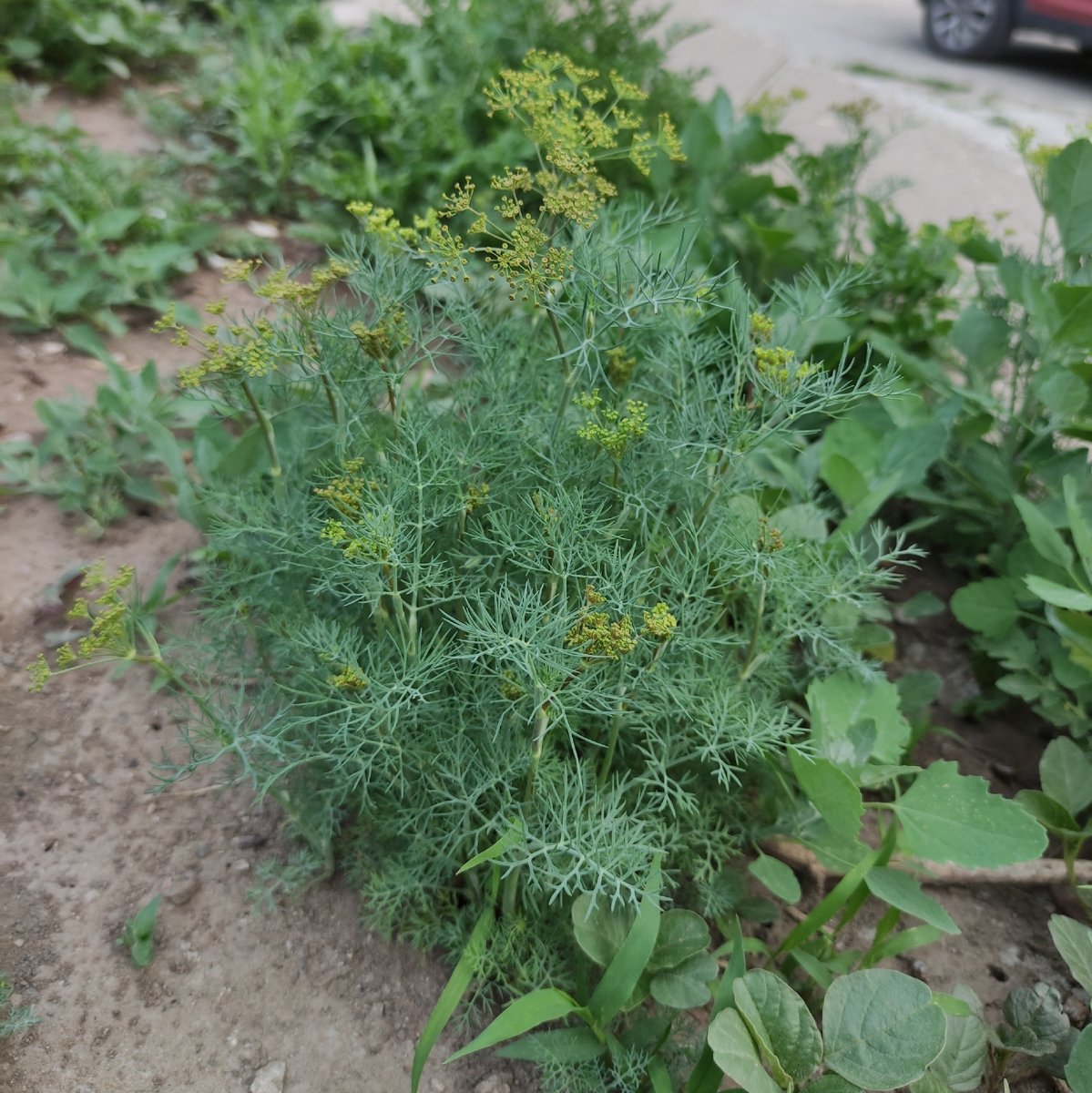 Dill Weed |
Anethum graveolens | similar summary terms |
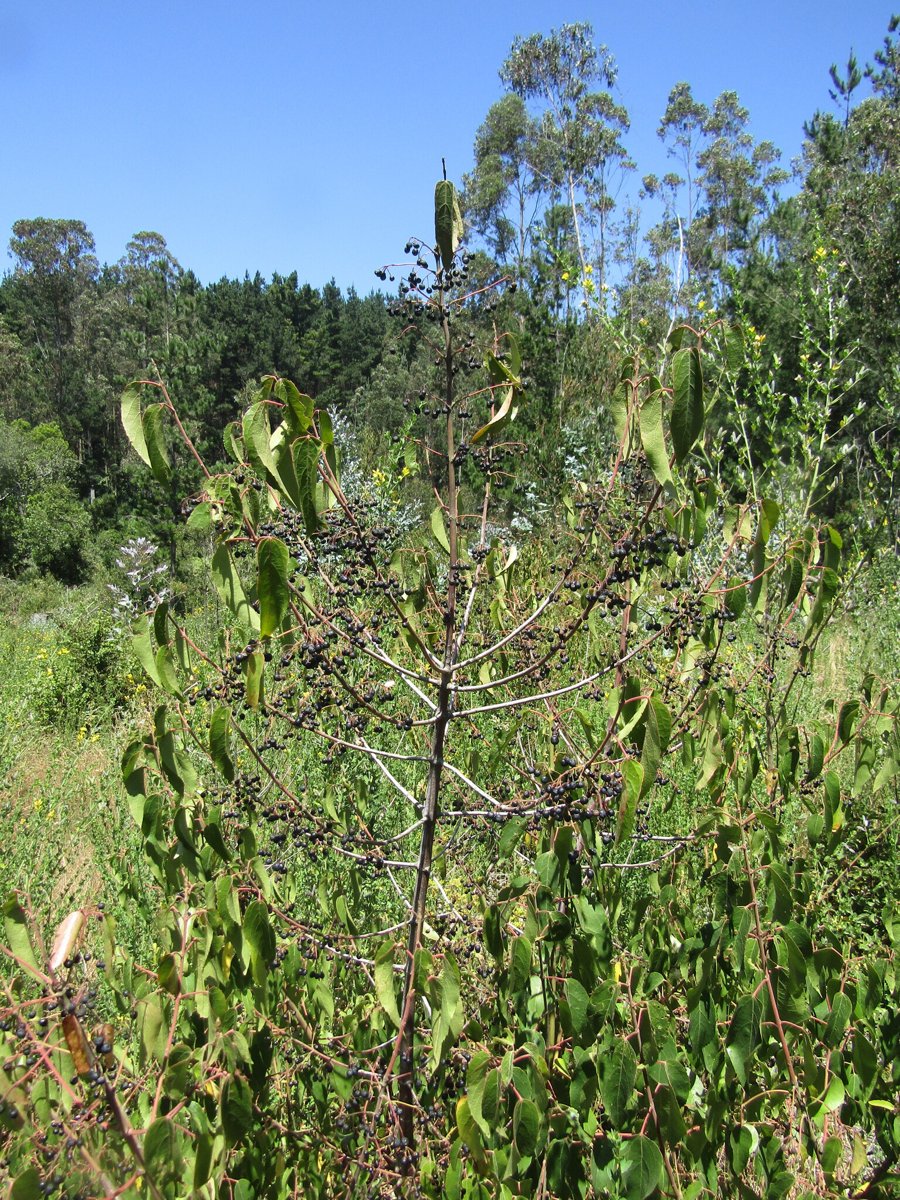 Maqui |
Aristotelia chilensis | similar summary terms |
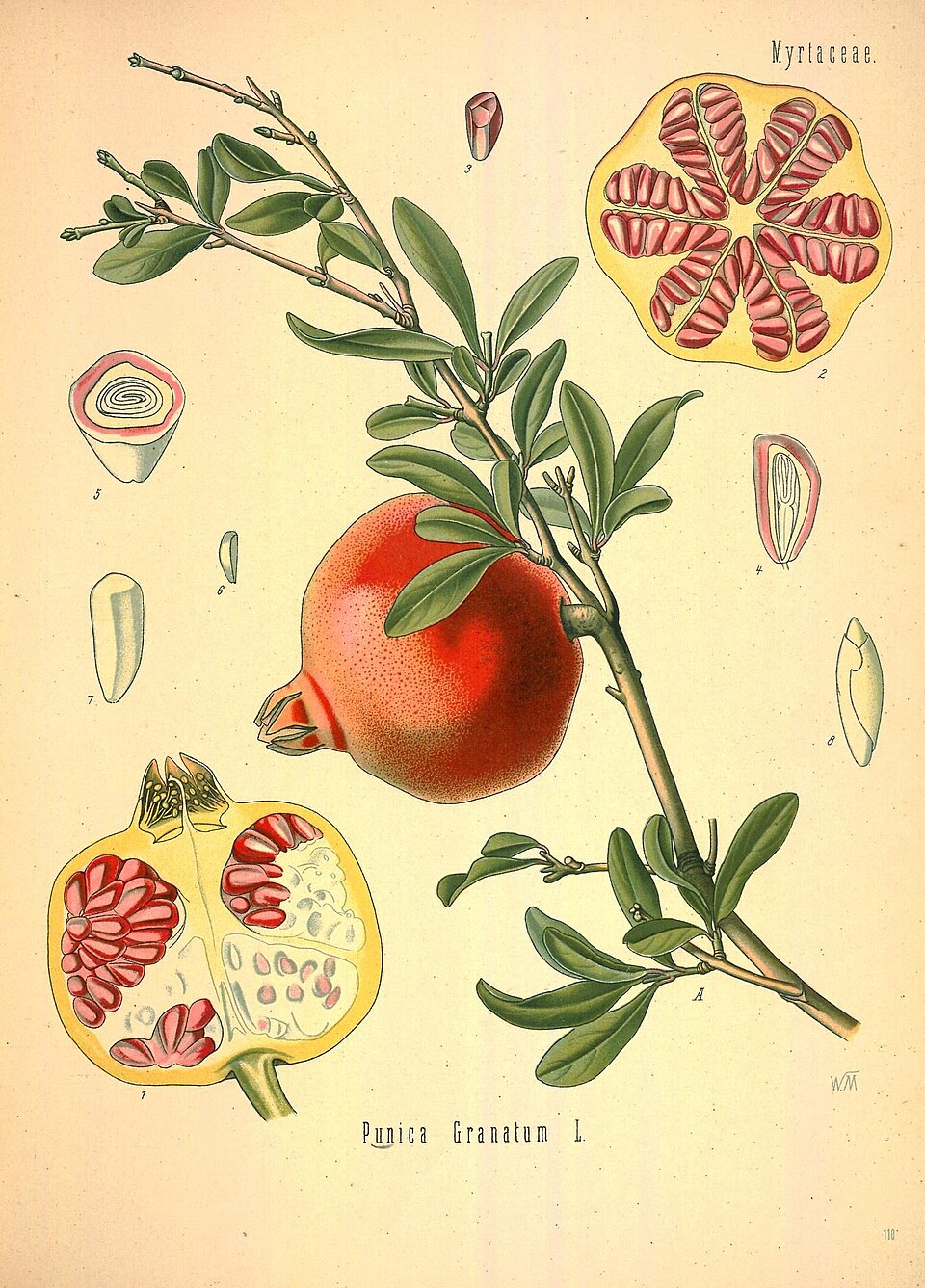 Pomegranate |
Punica granatum | similar summary terms |
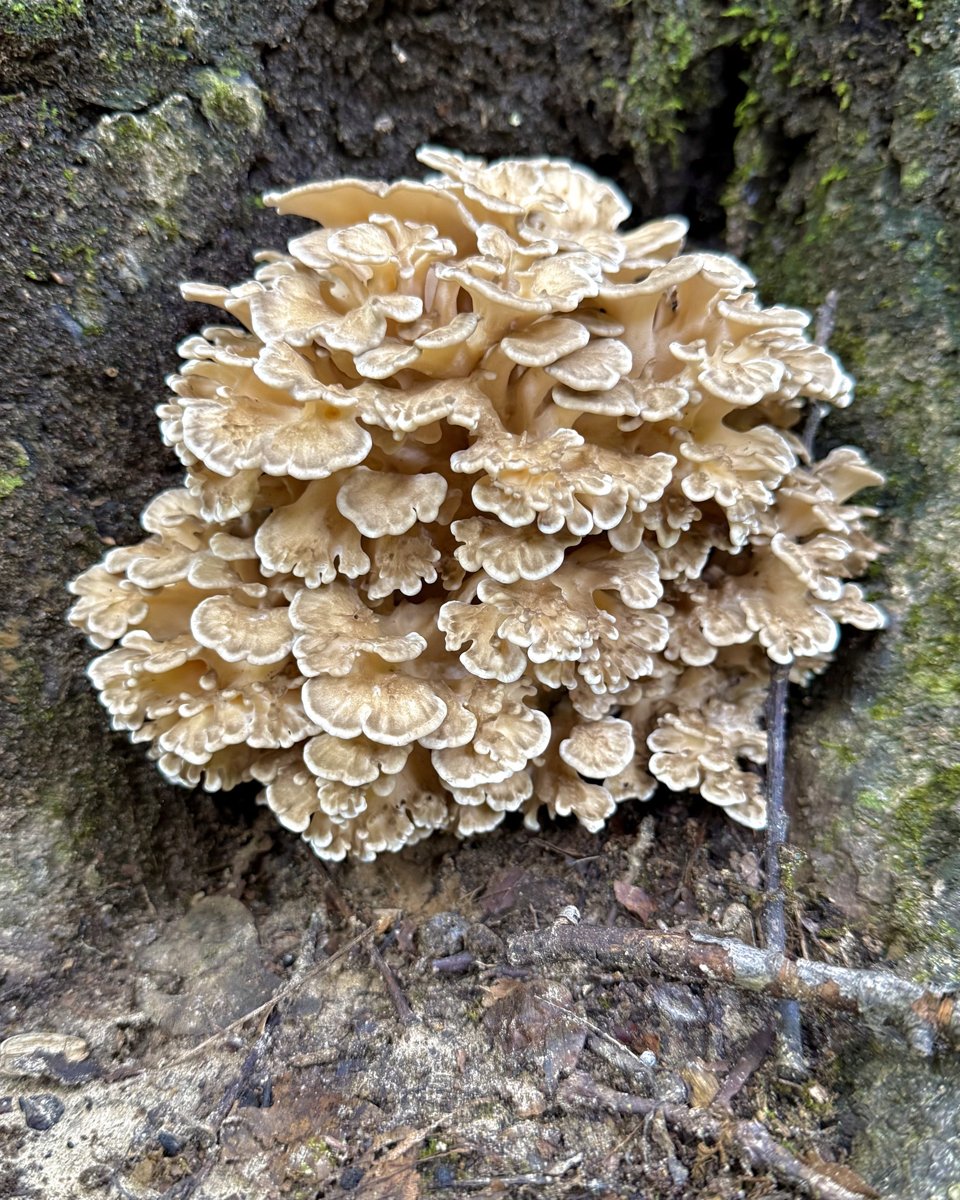 Maitake |
Grifola frondosa | similar summary terms |
Ask the RAG about Lucuma — get evidence-based answers from WHO monographs and pharmacognosy textbooks.
Or browse the product search to find more products.