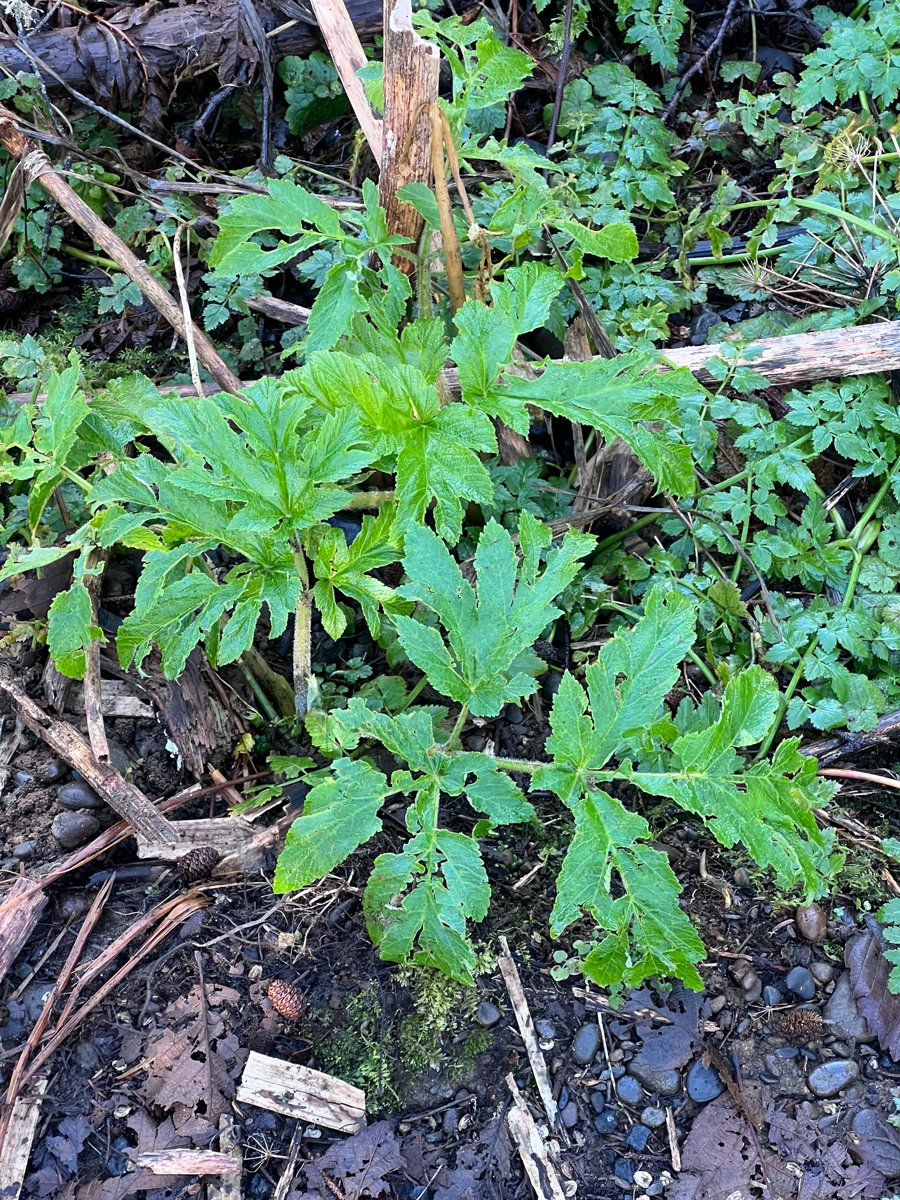
Heracleum maximum
Heracleum maximum is a tall, biennial plant in the carrot family, known for its large, fleshy taproot and large umbels of white flowers. Its main therapeutic uses are anti‑inflammatory and antimicrobial; it is traditionally employed for treating skin wounds, bruises, and respiratory conditions such as cough and sore throat. The root contains furanocoumarins that can cause photosensitivity and skin irritation, and ingestion or large doses may be toxic, so it is best used topically under guidance and not applied to broken skin or taken internally without a qualified practitioner.
Source: PMC: Helichrysum, PMC: Terminalia Chebula, NCBI Bookshelf: Herbal Medicine
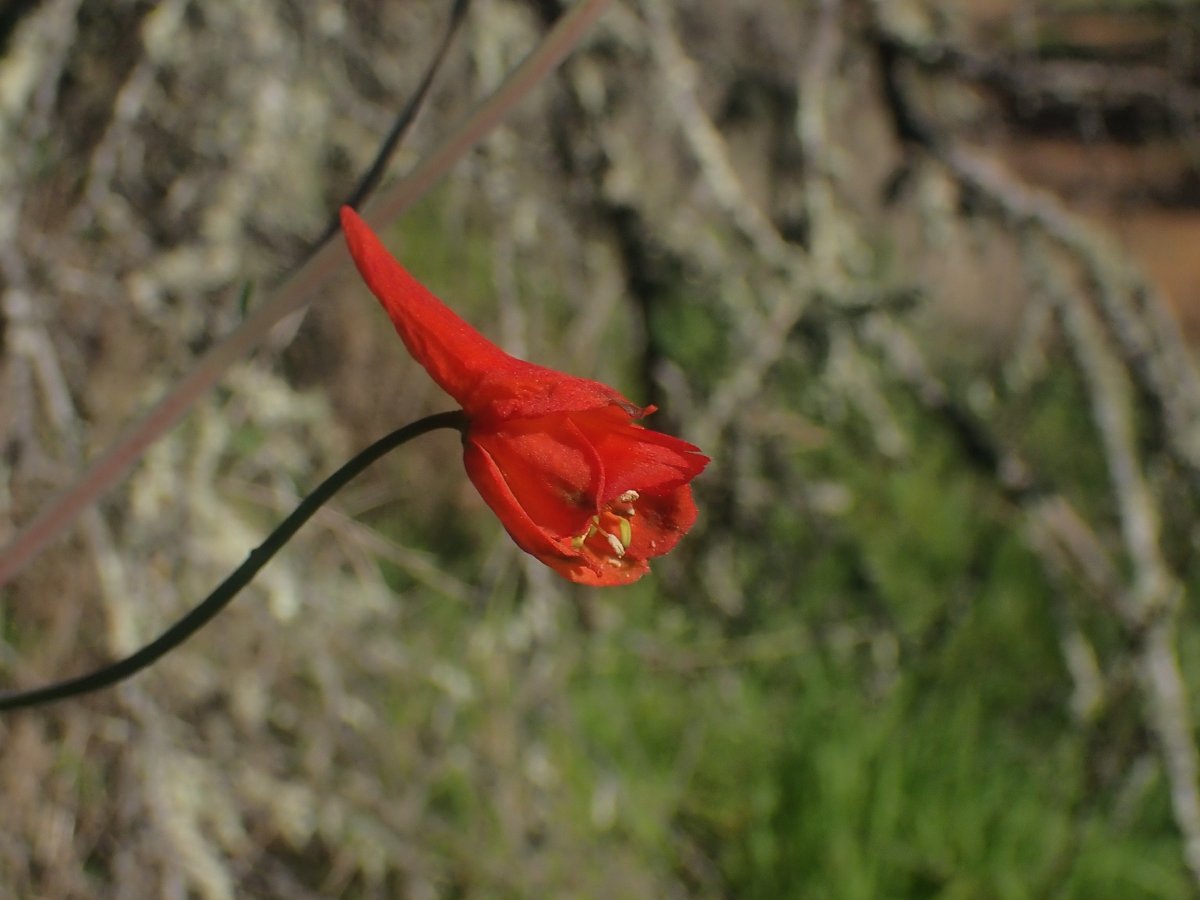
| Scientific Name | Heracleum maximum |
| Safety Rating | N/A |
| Evidence Level | N/A |
2 products from NIH DSLD database (verified label data)
| Product | Price |
|---|---|
| Shasta Daisy Flower Essence | - |
| Shasta Daisy Flower Essence | $26.68 |
| Herb | Scientific Name | Why related |
|---|---|---|
Delphinium Nudicaule |
Delphinium nudicaule | similar summary terms |
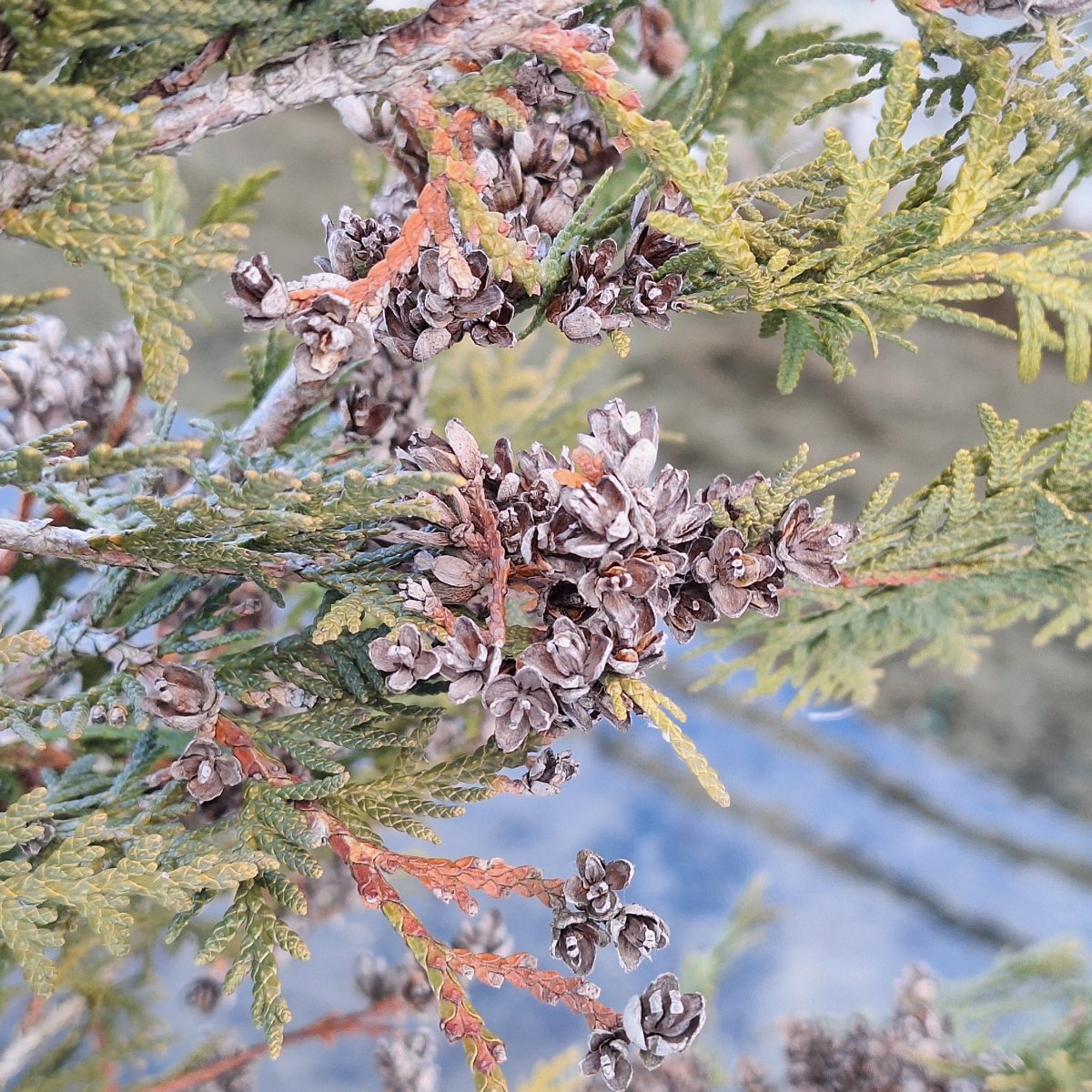
Thuja |
Thuja occidentalis | similar summary terms |
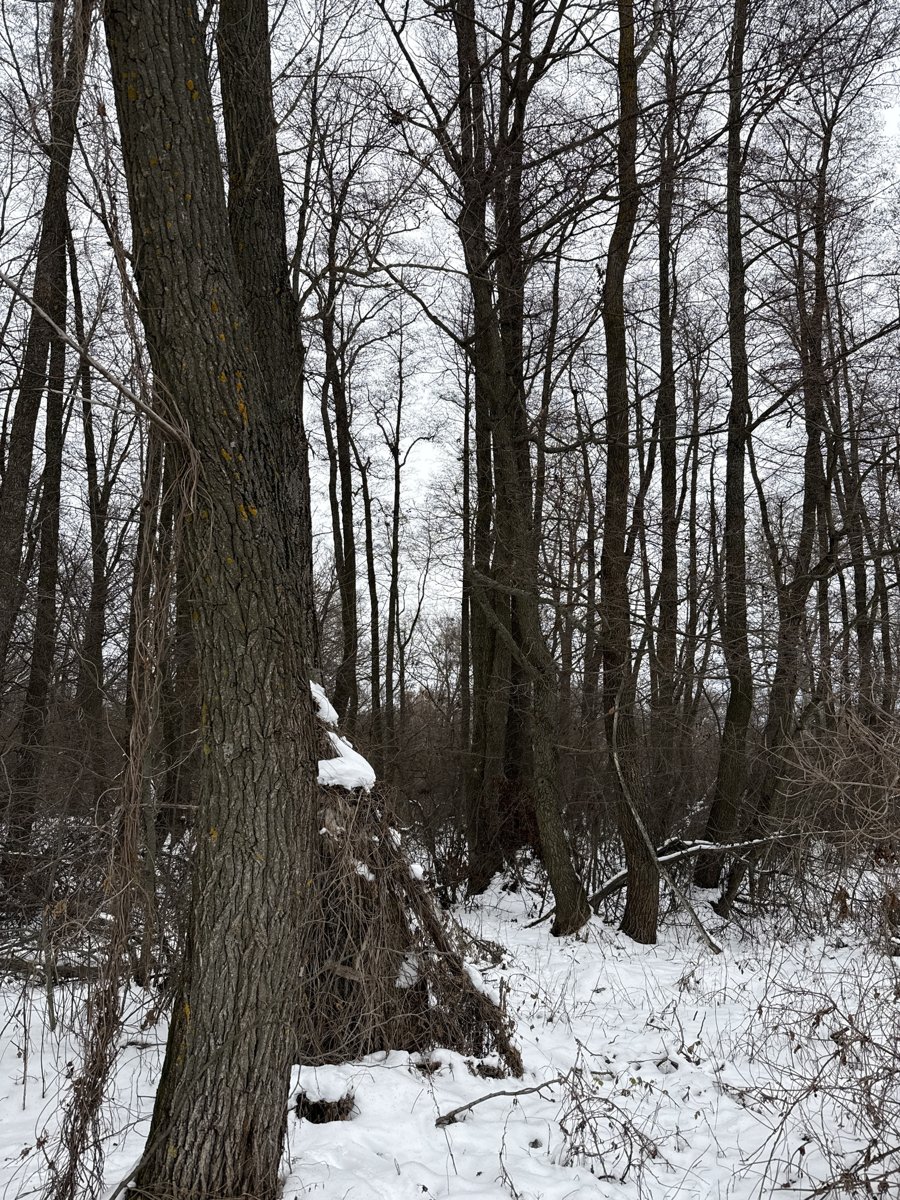
Black Alder |
Alnus glutinosa | similar summary terms |
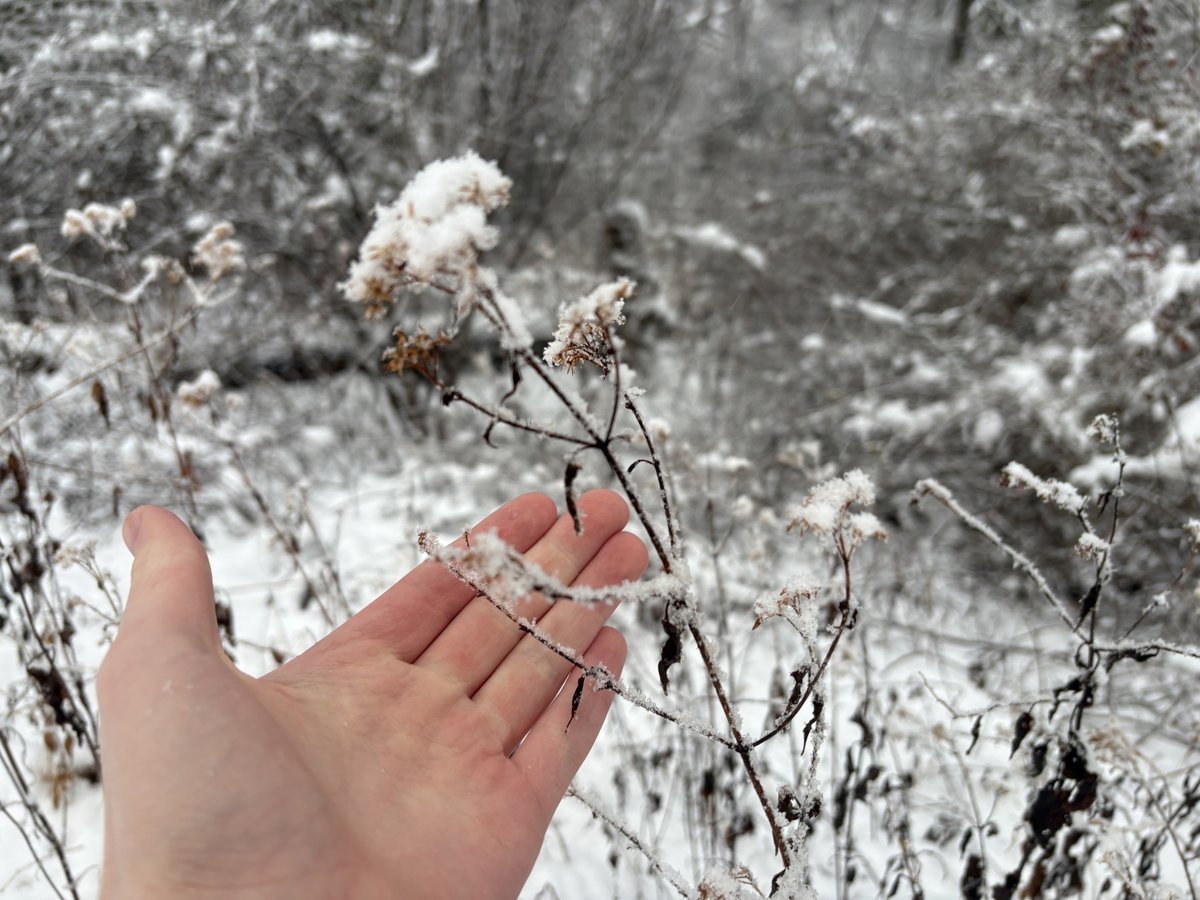
White Snakeroot |
Ageratina altissima | similar summary terms |
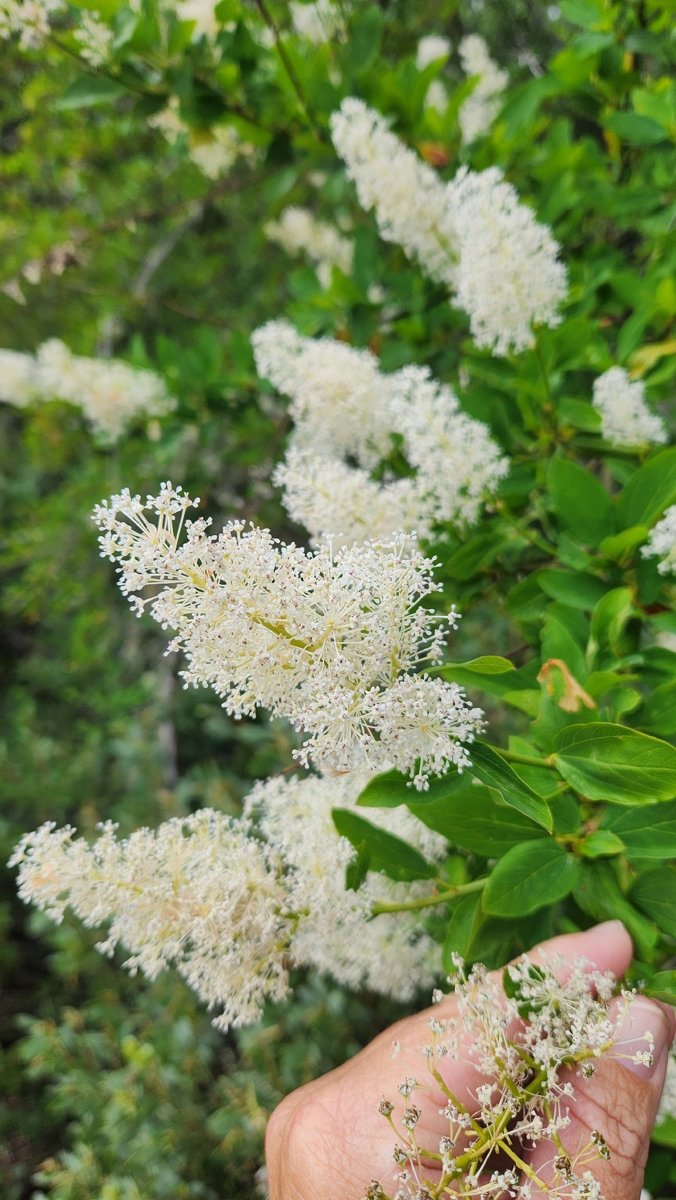
Ceanothus Integerrimus |
Ceanothus integerrimus | similar summary terms |
Ask the RAG about Heracleum Maximum — get evidence-based answers from WHO monographs and pharmacognosy textbooks.
Or browse the product search to find more products.