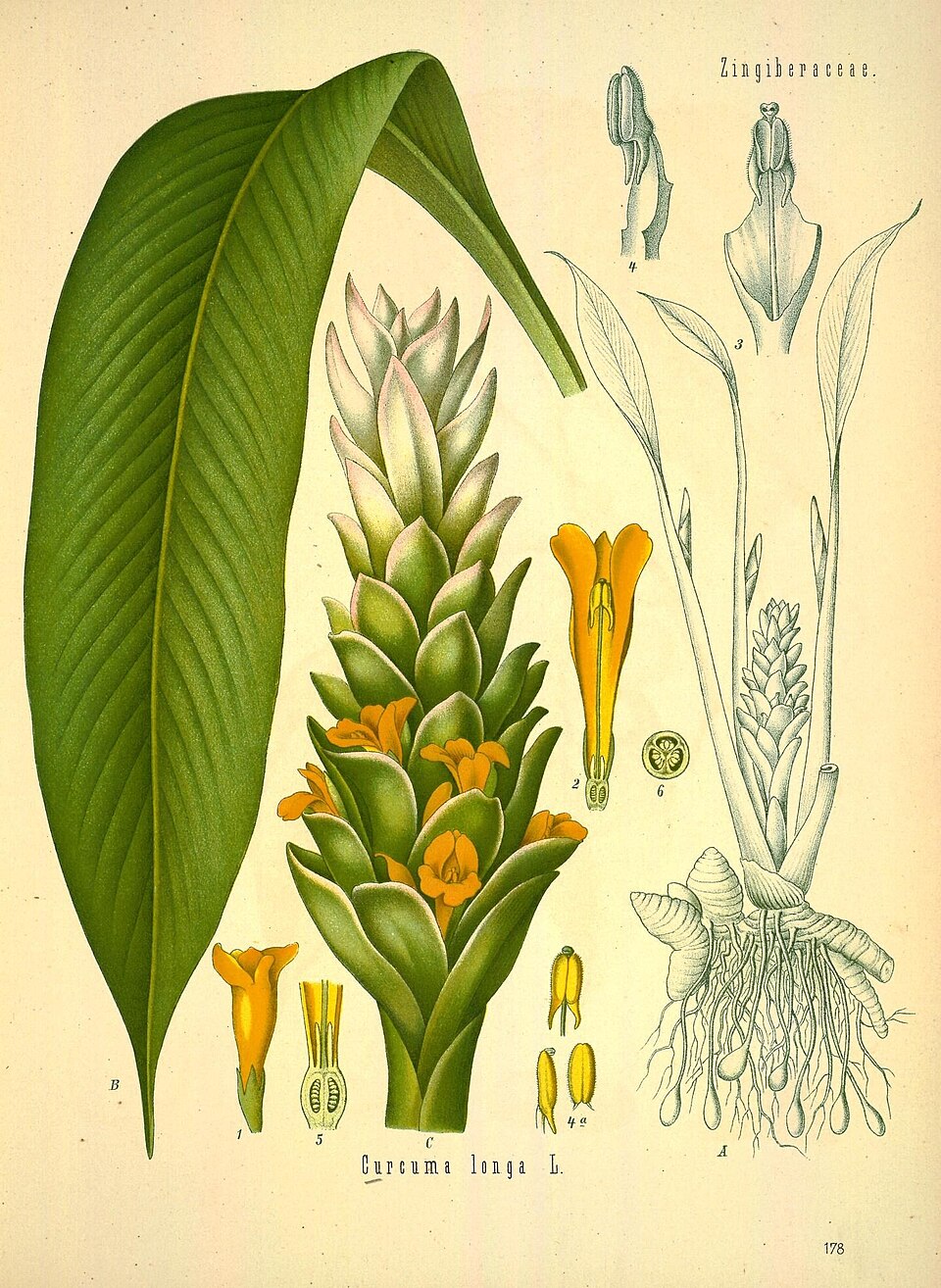
Turmeric (Curcuma longa) is a widely cultivated rhizome that has been ground into the bright yellow spice known as turmeric. The raw plant has a long history as a culinary and medicinal ingredient in Asia, where it has traditionally been used to relieve joint pain, aid digestion, treat skin conditions, and support liver function. In modern herbal formulations, turmeric is often combined with black pepper or piperine to enhance bioavailability, but many studies have examined curcumin—the primary bioactive constituent—on its own to isolate therapeutic effects.
What is Turmeric and Where Does Curcumin Fit In?
Curcumin is a polyphenolic compound that gives turmeric its characteristic color. It constitutes about 2–5% of the dried rhizome by weight, although processed extracts may contain higher concentrations. The compound exhibits antioxidant, anti‑inflammatory, antimicrobial, and lipid‑modulating activities in laboratory models. Traditional uses of turmeric overlap with these properties: it is applied topically for eczema and is steeped in milk or water to soothe upset stomachs. The hallmark benefit of turmeric has long been its anti‑inflammatory action, which has been linked to the inhibition of nuclear factor kappa‑B (NF‑κB) and cyclo‑oxygenase‑2 (COX‑2) pathways.
Clinical Evidence Supporting Therapeutic Claims
A 2018 review of human and animal studies specifically examined turmeric or curcumin as a sole active ingredient, allowing researchers to evaluate its therapeutic potential without the interference of other botanicals. The authors concluded that curcumin can serve as a safe alternative to low‑dose corticosteroids for certain inflammatory conditions. The evidence was strongest in short‑term studies of osteoarthritis and mild rheumatoid arthritis, where participants reported modest pain relief and improved function compared with placebo. The review also highlighted high variability in formulations and dosing, suggesting that curcumin’s clinical efficacy is highly dependent on formulation quality and patient selection.3
Beyond musculoskeletal pain, curcumin has been studied for its potential to improve gastrointestinal comfort. Small, short‑term trials have shown reductions in bloating and abdominal discomfort when curcumin capsules were combined with standard functional‑food or probiotic preparations. However, the evidence is limited by small sample sizes and short follow‑up periods; larger, well‑controlled trials are needed to confirm these findings.
Safety Profile and Regulatory Status
Turmeric and curcumin have a long history of safe use as a food spice, and the U.S. Food and Drug Administration (FDA) has conducted extensive evaluations leading to a 300‑page monograph that classifies both turmeric and curcumin as generally regarded as safe (GRAS) substances.^2 In addition to the GRAS determination, preclinical tests in rodents and primates have consistently reported a lack of mutagenic or carcinogenic effects, and no reproductive toxicity was observed with repeated oral exposure.^2 Human studies likewise have not identified acute toxicity even when doses exceed typical dietary intake.
Despite the overall favorable safety data, several cautions merit attention. High‑dose or long‑term use may increase the risk of bleeding, particularly in individuals taking anticoagulants or antiplatelet medications. Turmeric can also cause mild gastrointestinal irritation—nausea, bloating, or heartburn—in some people, and rare allergic skin reactions have been reported. Pregnant and lactating women are advised to consult a healthcare professional before starting turmeric supplements, as data on safety in these populations are limited.1
Drug Interactions
- Anticoagulants (e.g., warfarin, heparin) – Turmeric may potentiate bleeding risk, potentially necessitating dose adjustments in patients on chronic anticoagulation.
- Antiplatelet agents (e.g., aspirin, clopidogrel) – Similar to anticoagulants, the anti‑platelet effect of curcumin can enhance bleeding when co‑administered.
- Cytochrome P450 modulators – Curcumin can inhibit CYP3A4, potentially altering the metabolism of drugs that are CYP3A4 substrates.
- Antidiabetic medications – Preliminary evidence suggests curcumin can lower blood glucose, which may result in additive hypoglycemic effects when taken with sulfonylureas or insulin.
Food Versus Supplement – What Matters?
When consumed as a culinary spice, turmeric is usually present in low milligram quantities that are unlikely to pose safety concerns. The therapeutic claims are often associated with standardized extracts that concentrate curcumin to 95% or higher. Because curcumin’s oral bioavailability is inherently low, many commercially available supplements incorporate enhancers such as piperine or micronized formulations. These modifications can markedly increase plasma levels and thus alter both efficacy and safety profiles. Consumers interested in therapeutic benefits should therefore verify that the product contains an adequately standardized dose and consider potential interactions with existing medications.
What the Evidence Says – Bottom Line
Turmeric’s active component, curcumin, demonstrates biochemical plausibility for anti‑inflammatory and antioxidant effects and has shown modest efficacy in short‑term studies of joint pain and mild gastrointestinal complaints. The high safety margin, indicated by FDA GRAS status and the absence of mutagenic or carcinogenic activity in preclinical models, supports its continued use as a dietary supplement. However, the evidence for long‑term benefit remains limited, and the risk of bleeding or drug interactions should be acknowledged, especially in individuals on anticoagulant therapy. As a result, turmeric can be considered a conditionally safe herb for many people, but its therapeutic claims should be weighed against the current evidence base and potential cautions.