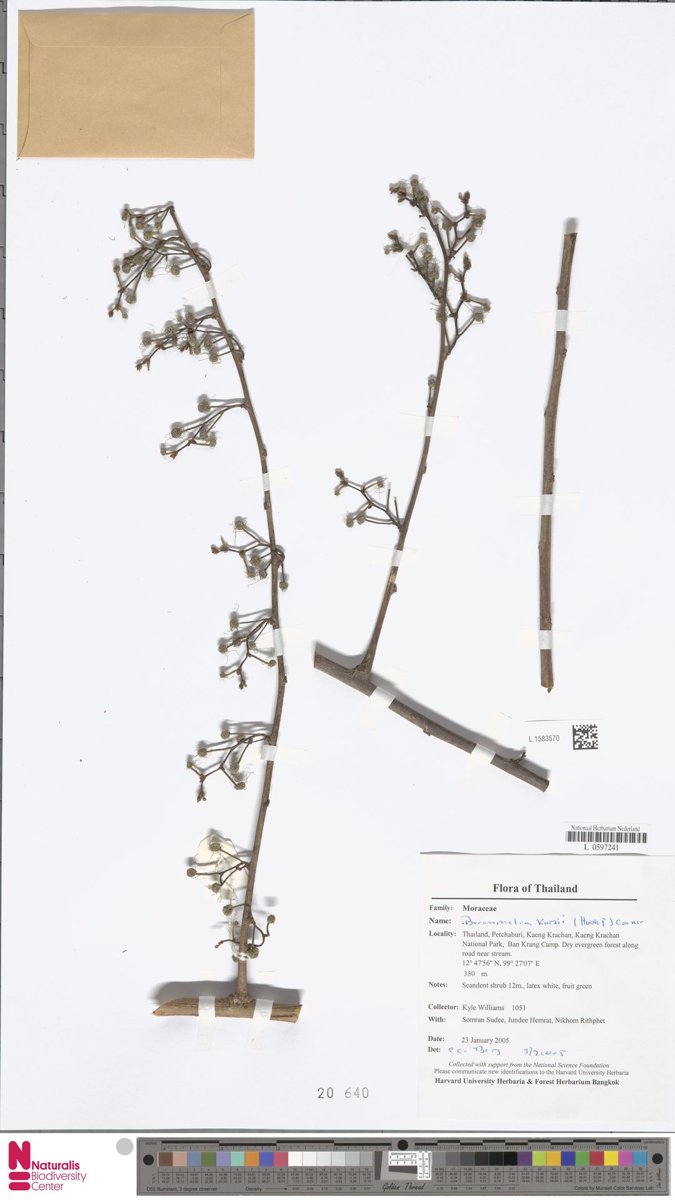
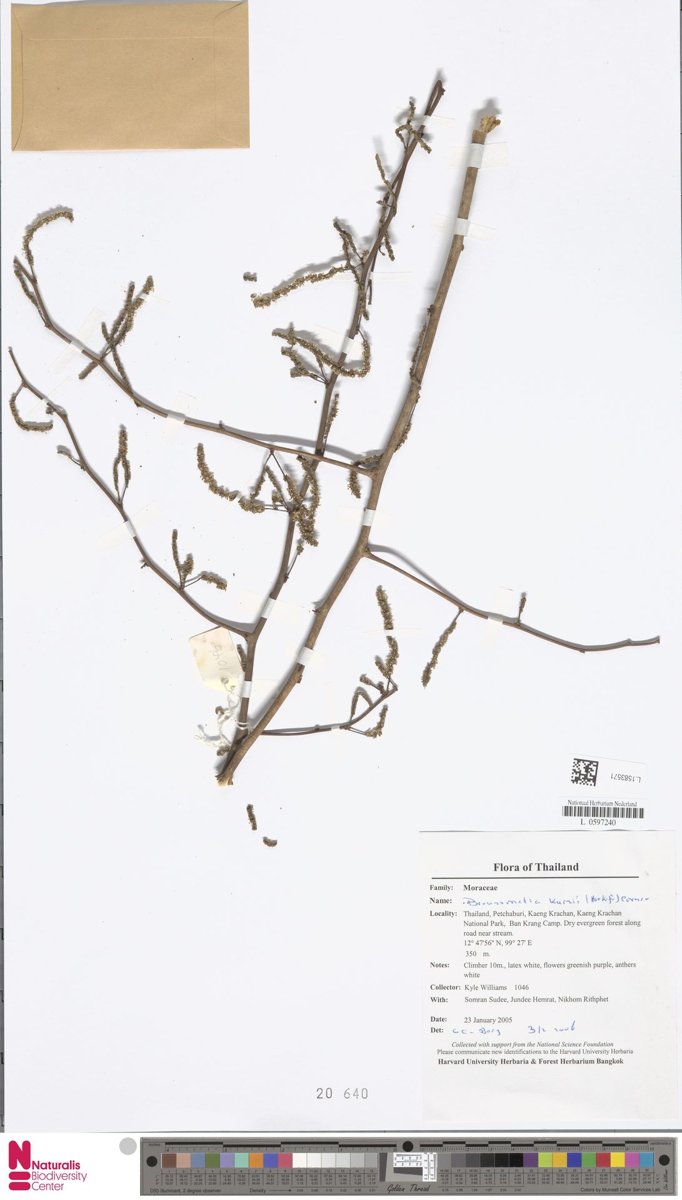
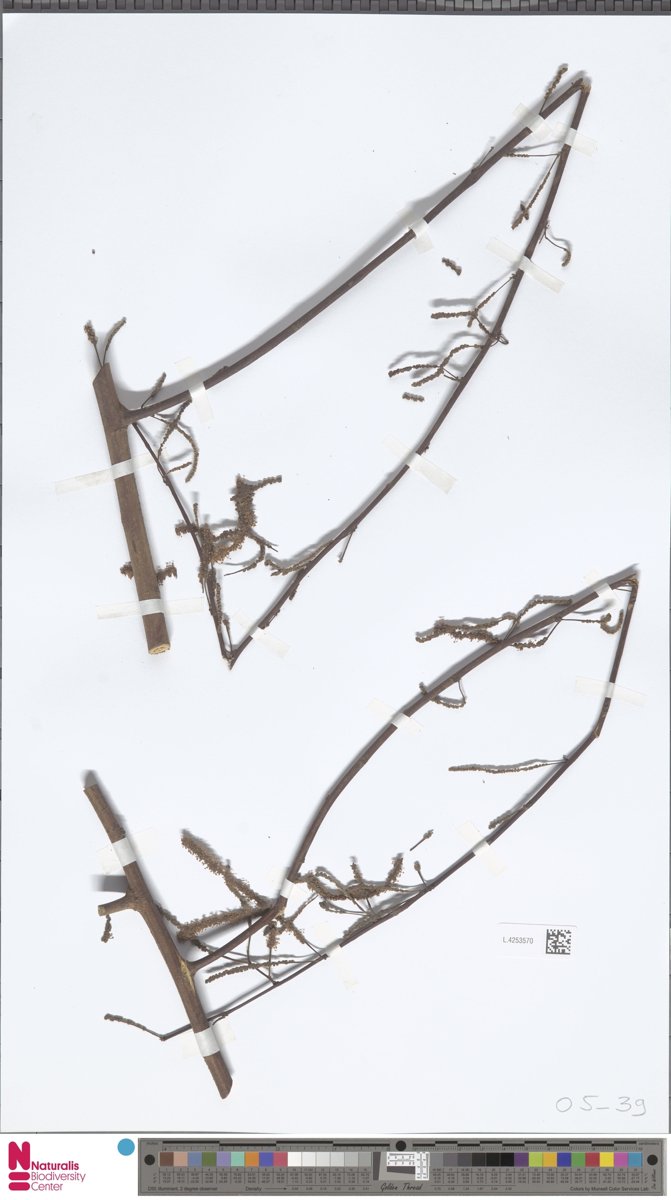
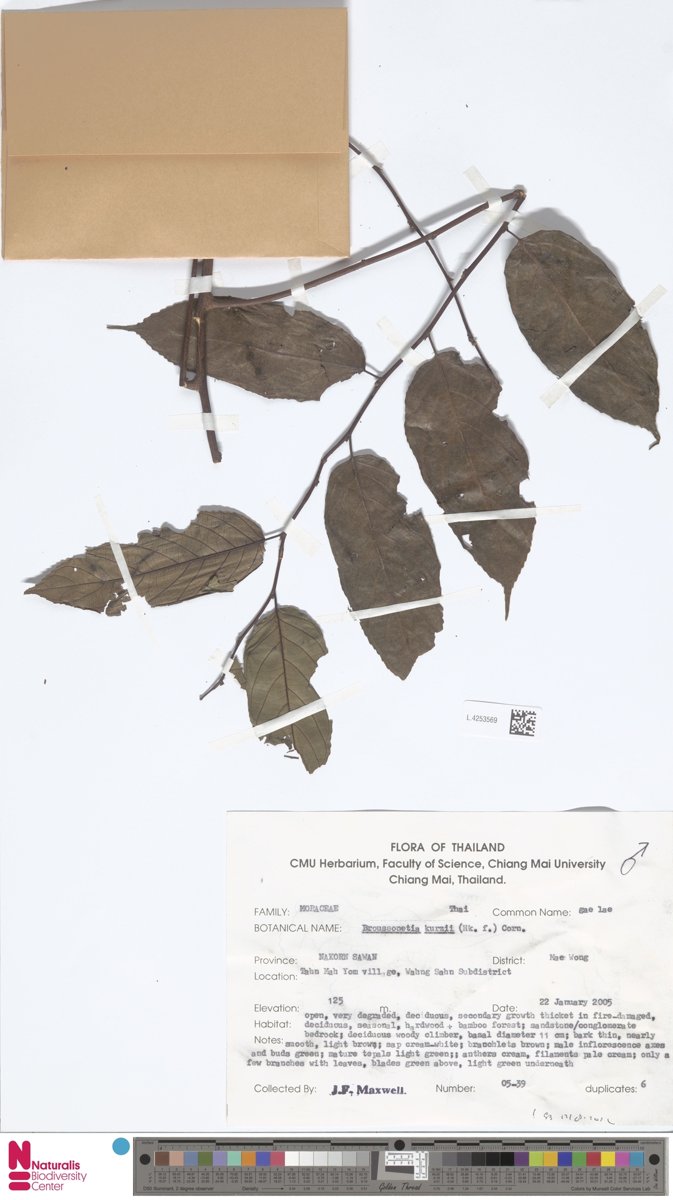
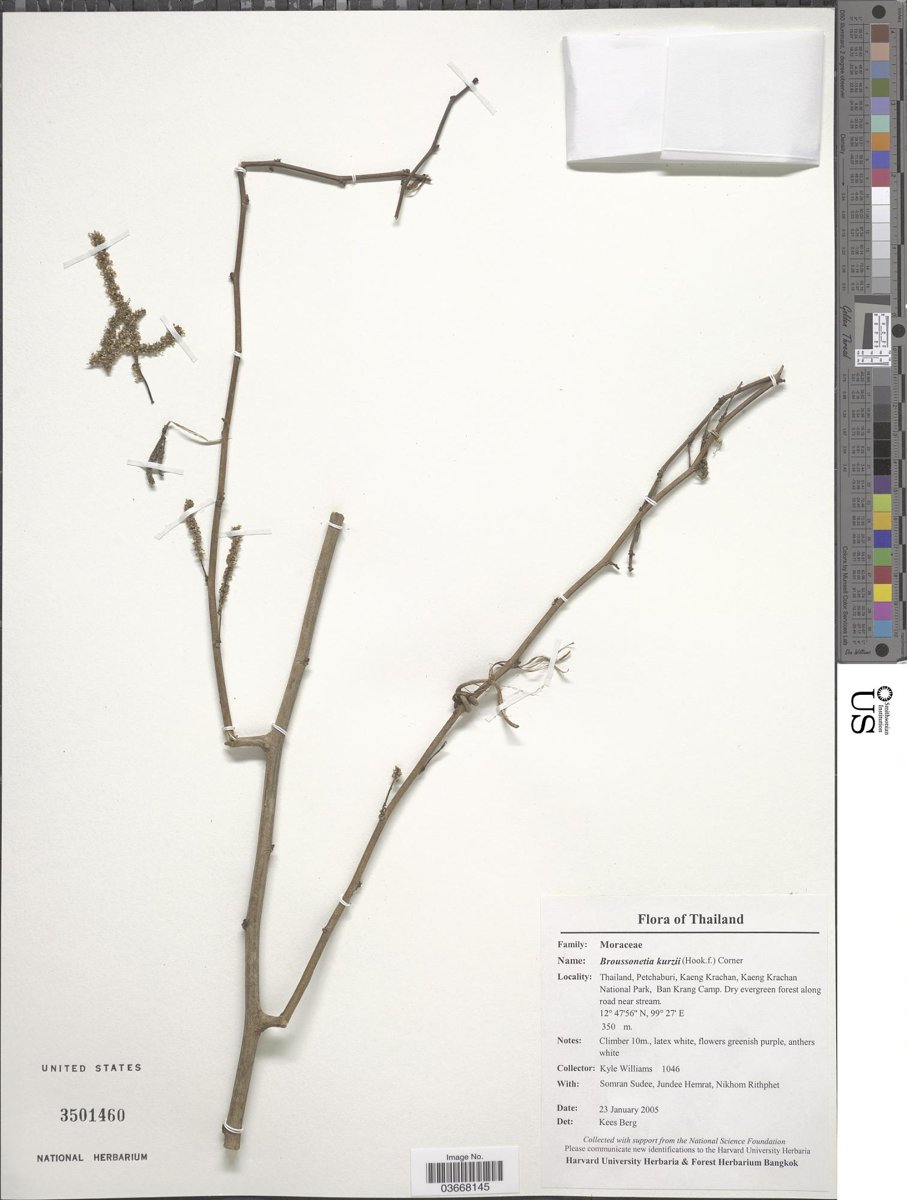
Salae
Broussonetia kurzii
| Scientific Name | Broussonetia kurzii |
| Safety Rating | N/A |
| Evidence Level | N/A |
Broussonetia kurzii, known as Salae, is a flowering plant whose bark and leaves are used in traditional remedies. It is commonly employed as an adjunctive treatment for colds and influenza, to support immune health and increase stamina, and has also been used for chronic diarrhea, edema, abnormal uterine bleeding, diabetes, and as a mild heart tonic. Because scientific evidence is limited and there are reports of gastrointestinal upset and the possibility of interactions with diabetic or cardiac medications, it should be used cautiously, especially in pregnancy and by those on related drugs.
Source: Trease & Evans Pharmacognosy 16th ed, WHO Monographs on Selected Medicinal Plants (Vols 1-3), PMC: Safed Musli
| Herb | Scientific Name | Why related |
|---|---|---|
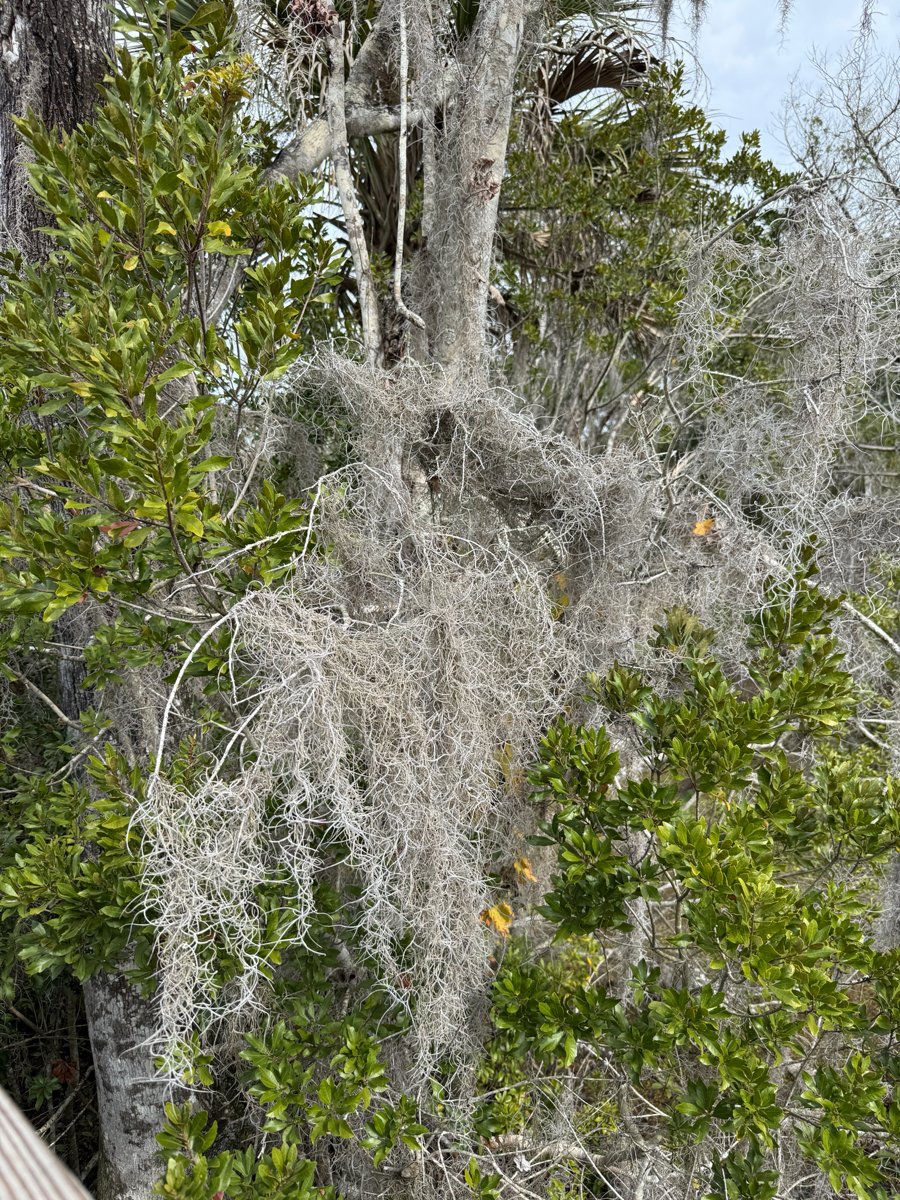 Tillandsia |
Tillandsia usneoides | similar summary terms |
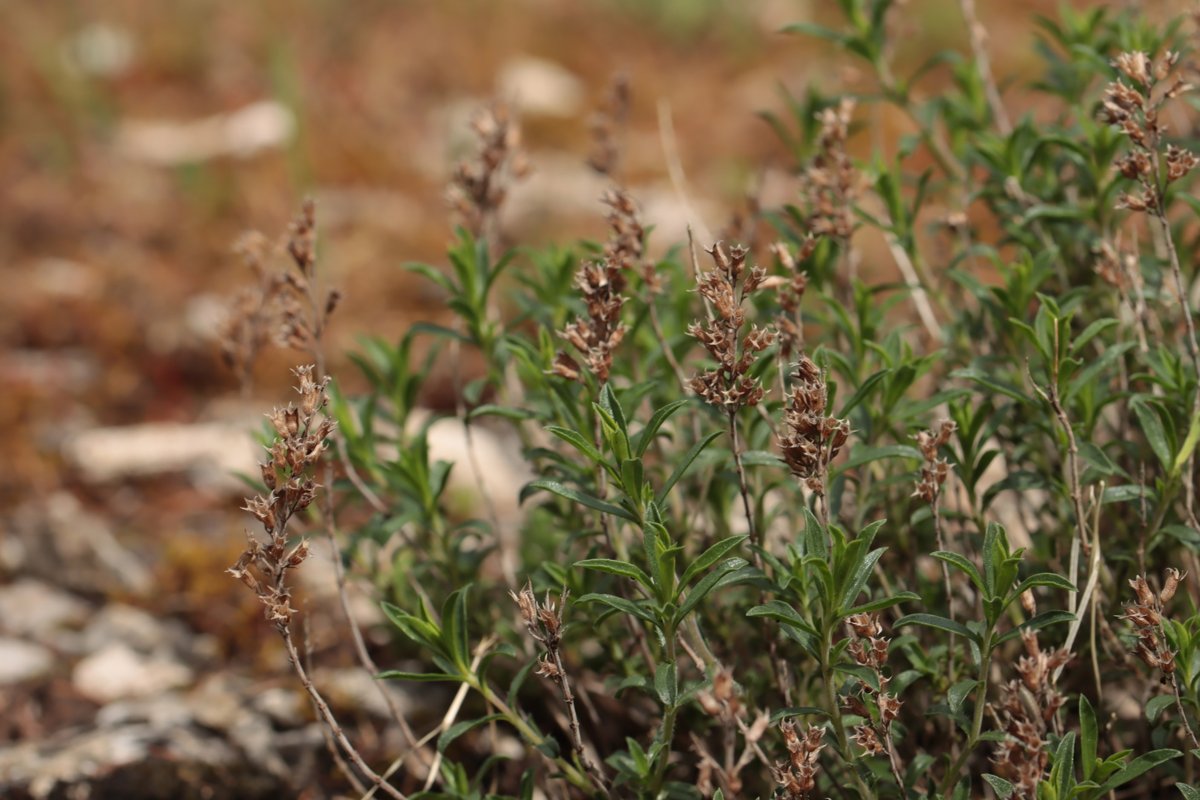 Winter Savory |
Satureja montana | similar summary terms |
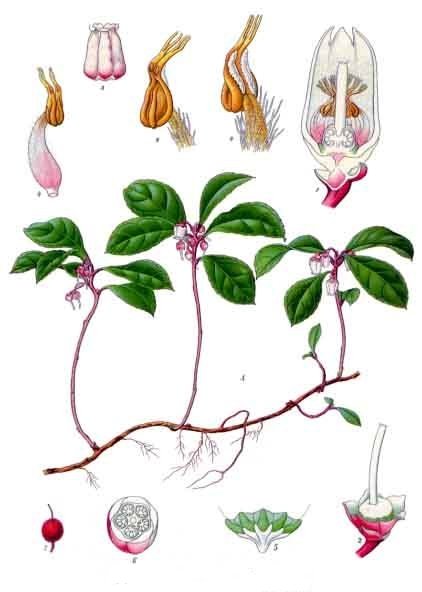 Wintergreen |
Gaultheria procumbens | similar summary terms |
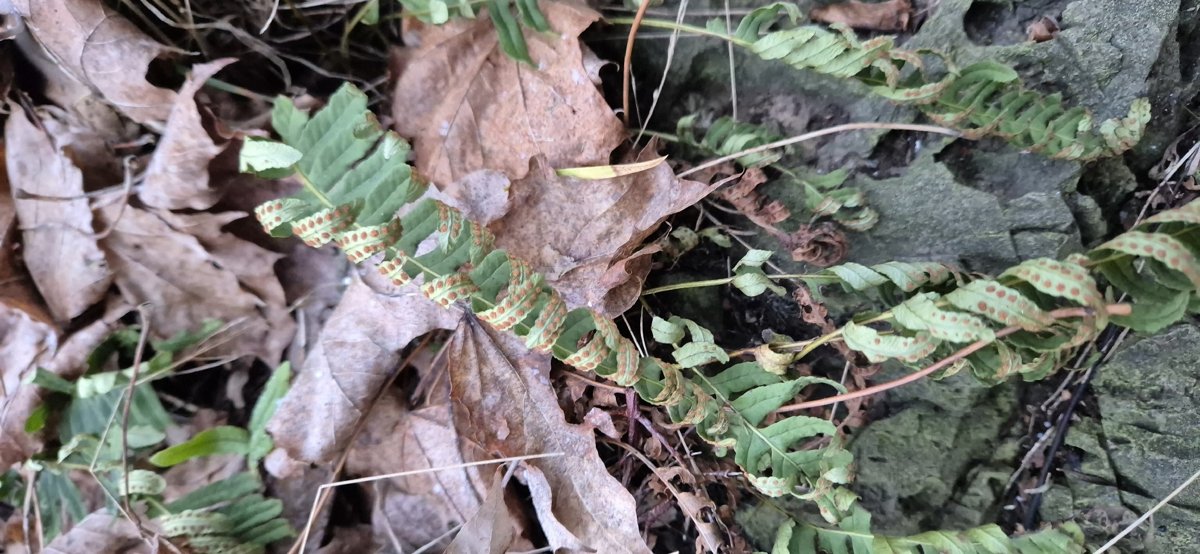 Polypodium Vulgare |
Polypodium vulgare | similar summary terms |
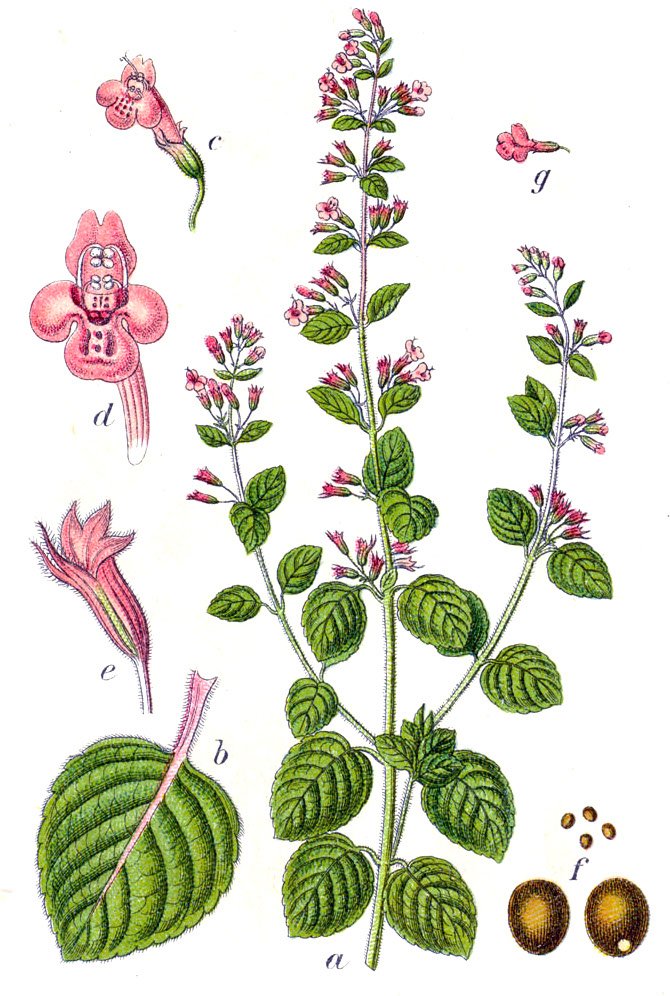 Lesser Calamint |
Clinopodium nepeta | similar summary terms |
No products found for this herb in our database.
Ask the RAG about Salae — get evidence-based answers from WHO monographs and pharmacognosy textbooks.
Or browse the product search to find more products.